
Visiting Makkah is a dream for millions of Muslims around the world. For many people, especially families and first time pilgrims, the journey is much more than travel. It is an emotional and spiritual experience that stays in the heart forever.
When planning Umrah, many pilgrims focus on Tawaf, Sa’i, hotels, flights, and visas. These are all important parts of the journey. However, many visitors also want to visit important Islamic landmarks and historical locations around Makkah. This is known as Makkah Ziyarat.
The challenge is that first-time pilgrims often do not know which places to visit, why they are important, how much time is needed, or how to organize the trip properly. Some families feel overwhelmed because there are many locations and different tour options available.
This Makkah ziyarat guide will help you understand the most important sites, their history, and how to visit them comfortably with your family.
If you are preparing for Umrah, it is also worth reading this complete guide on Tawaf for first time pilgrims.
By understanding these sacred places before your trip, you can make your visit more meaningful and memorable.
What Is Makkah Ziyarat?
Makkah Ziyarat refers to visiting important Islamic landmarks and historical sites located in and around Makkah.
These locations are connected with:
- Prophet Ibrahim (AS)
- Prophet Ismail (AS)
- Prophet Muhammad (PBUH)
- Early Islamic history
- Important events during Hajj
While visiting these places is not a required part of Umrah, many pilgrims visit them to better understand Islamic history and strengthen their connection with the events that shaped Islam.
For families, Ziyarat also creates an opportunity to teach children about Islamic history in a real and meaningful way.
Makkah is the holiest city in Islam and holds deep religious and historical importance for Muslims around the world. For general background about the city, you can read more about Mecca on Wikipedia.
Why Is Makkah Ziyarat Important?
Many people arrive in Makkah knowing the names of famous places but not their significance.
When you stand at a location where an important event happened, the experience becomes much more personal.
Makkah Ziyarat helps pilgrims:
- Understand Islamic history better
- Connect emotionally with important events
- Appreciate the sacrifices of the Prophets
- Teach children through real experiences
- Gain a deeper understanding of Hajj and Umrah
For first-time visitors, these experiences often become some of the most memorable moments of the journey.
What Are the Most Important Makkah Ziyarat Places?
There are several important Makkah ziyarat places that are commonly included in guided tours.
Let’s look at each one in detail.
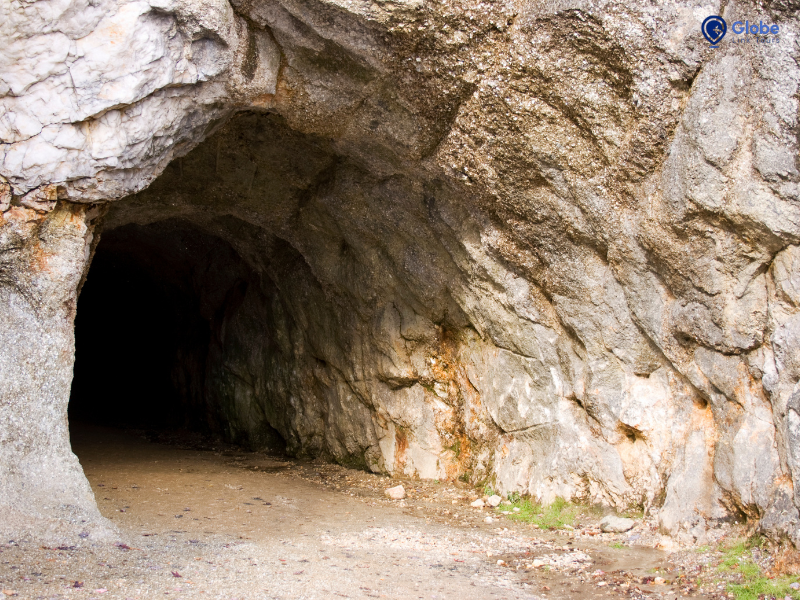
Jabal Al Noor and Cave Hira
What Is Jabal Al Noor?
Jabal Al Noor means “Mountain of Light.”
This mountain is one of the most famous historical sites in Makkah because it contains Cave Hira.
It is located a few kilometers from Masjid Al Haram.
Why Is Cave Hira Important?
Cave Hira is the place where Prophet Muhammad (PBUH) received the first revelation of the Quran through Angel Jibreel.
This event marked the beginning of Islam.
Many pilgrims visit the area to reflect on this historic moment.
The mountain itself is visible from a distance and remains one of the most visited landmarks in Makkah.
Should Families Climb to Cave Hira?
The climb can be challenging.
Families with:
- Elderly members
- Young children
- Health concerns
may prefer viewing the mountain from below.
The journey to the cave can take considerable effort, especially during hot weather.
Many visitors choose to appreciate the site without making the full climb.
Jabal Thawr
Jabal Thawr is another significant mountain in Islamic history.
This mountain contains the cave where Prophet Muhammad (PBUH) and Abu Bakr (RA) stayed during the migration to Madinah.
According to Islamic tradition, Allah protected them from those pursuing them.
Today, pilgrims often visit the area to remember the courage, patience, and trust shown during this important moment in Islamic history.
Mina
What Is Mina?
Mina is one of the most important sites connected to Hajj.
It is located east of Makkah and contains the famous tent city used during the pilgrimage season.
Millions of pilgrims stay here during Hajj.
Why Is Mina Important?
Mina is associated with several key Hajj rituals.
It is where pilgrims:
- Stay during specific days of Hajj
- Perform the symbolic stoning ritual
- Follow the tradition of Prophet Ibrahim (AS)
Visiting Mina helps pilgrims understand how Hajj is organized and why these rituals are performed.
For first-time visitors, seeing Mina before Hajj often makes the pilgrimage easier to understand.
Muzdalifah
Muzdalifah is the area between Mina and Arafat.
During Hajj, pilgrims spend the night here after leaving Arafat.
This location represents humility and equality because pilgrims gather together under the open sky regardless of their social status or background.
Even outside Hajj season, visiting the area gives people a clearer picture of the pilgrimage journey.
Arafat
What Is Arafat?
Arafat is one of the most important locations in Islam.
Many scholars describe the Day of Arafat as the most important day of Hajj.
Why Is Arafat Important?
Pilgrims gather at Arafat to spend time in prayer, reflection, and supplication.
The famous Mount Arafat, also called Jabal Rahmah, is located here.
Many Muslims believe this area carries great spiritual significance because of its connection to important events in Islamic history.
Visiting Arafat allows pilgrims to better understand the emotional and spiritual importance of Hajj.
Jabal Rahmah
Jabal Rahmah means “Mountain of Mercy.”
It is located within the plains of Arafat.
Many visitors come here to remember the mercy of Allah and reflect on the importance of repentance, prayer, and gratitude.
Families often spend time here discussing the lessons associated with patience, forgiveness, and faith.
Masjid Nimrah
Masjid Nimrah is situated near Arafat.
During Hajj, an important sermon is delivered from this area.
Although access may vary depending on the season and local regulations, many pilgrims appreciate viewing this historic location as part of their ziyarat tour.
Masjid Al Jin
Masjid Al Jin is one of the historical sites in Makkah connected to a well known event involving the Jinn listening to the recitation of the Quran by Prophet Muhammad (PBUH).
Many visitors stop here during guided tours to gain a better understanding of this part of Islamic history.
Birthplace Area of Prophet Muhammad (PBUH)
Many guided tours pass through the area traditionally associated with the birthplace of Prophet Muhammad (PBUH).
While historical discussions exist regarding exact details, this location remains significant for many pilgrims who wish to understand more about the early life of the Prophet.
How Should Families Plan a Makkah Ziyarat Tour?
Step 1: Plan Your Main Umrah Activities First
Your primary focus should always be Umrah.
Once your worship schedule is organized, you can allocate time for Ziyarat.
Many families dedicate half a day or a full day for sightseeing.
Step 2: Travel During Comfortable Hours
Makkah temperatures can become very high.
Morning hours are usually more comfortable, especially for:
- Children
- Elderly family members
- First-time visitors
Step 3: Carry Essentials
Bring:
- Water bottles
- Comfortable footwear
- Umbrellas
- Snacks for children
- Personal medication
Preparation makes the experience much easier.
Step 4: Understand the History Before Visiting
Reading about each site before arrival can make the experience far more meaningful.
Children often become more engaged when they already know the stories connected to each location.
A Real Life Example
Consider a family traveling from the United States for their first Umrah.
The parents planned their Umrah rituals carefully but initially knew very little about Makkah historical sites.
After completing Umrah, they joined a guided Ziyarat tour.
Their children had previously heard stories about Prophet Ibrahim (AS), Cave Hira, and Arafat.
When they finally visited these locations in person, the stories became much more real and memorable.
The family later shared that Ziyarat became one of the most meaningful parts of their journey because it connected history with personal experience.
Common Mistakes During Makkah Ziyarat
Trying to Visit Too Many Places in One Day
Many first time pilgrims rush through every location.
This often leads to exhaustion and reduces the overall experience.
Focus on quality rather than quantity.
Ignoring Weather Conditions
Heat can be challenging in Makkah.
Always check conditions before heading out.
Stay hydrated throughout the day.
Not Traveling With Elderly Needs in Mind
Older family members may require additional rest stops and shorter walking distances.
Build flexibility into your schedule.
Missing the Historical Context
Some visitors take photos but do not understand the significance of the locations.
Reading beforehand adds much greater value to the experience.
Forgetting That Worship Comes First
Ziyarat is beneficial, but Umrah remains the primary purpose of the visit.
Balance your time wisely.
Expert Tips for a Better Ziyarat Experience
Start Early
Morning visits are generally more comfortable and less crowded.
Travel With a Knowledgeable Guide
A guide can explain historical details that many visitors may otherwise miss.
Keep Children Engaged
Share stories connected to each location before arriving.
This makes the journey more meaningful for young family members.
Stay Hydrated
Always carry enough water, especially during warmer months.
Take Notes and Reflect
Many pilgrims keep a journal during their trip.
Writing reflections after visiting important sites can make the experience more memorable.
How Makkah Ziyarat Connects to the Bigger Umrah Journey
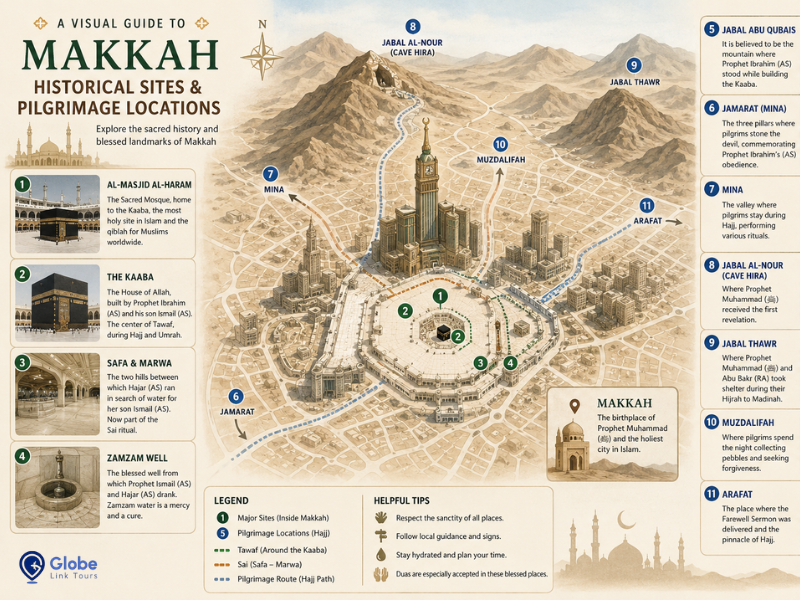
Many of the locations visited during Ziyarat are directly connected to the events that shaped Islamic history.
Understanding these places gives greater meaning to many acts of worship performed during Umrah and Hajj.
For example:
- Mina helps explain important Hajj rituals.
- Arafat shows the significance of the Day of Arafah.
- Cave Hira highlights the beginning of Quranic revelation.
- Historical sites around Makkah provide context for the life of Prophet Muhammad (PBUH).
When combined with a strong understanding of Tawaf and Umrah rituals, these visits create a more complete spiritual experience.
When Should You Consider Professional Assistance?
Planning international travel can feel stressful, especially for first time pilgrims.
Questions often arise about:
- Flights
- Hotels
- Transportation
- Visa requirements
- Family arrangements
- Guided tours
Working with experienced travel professionals can reduce uncertainty and save valuable time.
Many families prefer organized Umrah packages because transportation, accommodation, and travel logistics are already coordinated.
You can review available Umrah packages.
Conclusion
A meaningful Umrah journey is not only about completing rituals. It is also about understanding the history, sacrifices, and events connected to Islam’s holiest places.
This makkah ziyarat guide provides a starting point for families and first time pilgrims who want a deeper connection with the places that shaped Islamic history.
From Cave Hira and Jabal Al Noor to Mina and Arafat, every location tells a story. Each site offers valuable lessons about faith, patience, sacrifice, and devotion.
Take your time. Reflect on what you see. Share the experience with your family. Most importantly, allow these sacred places to strengthen your connection with your faith and your understanding of the remarkable history surrounding Makkah.
FAQ Section
What is included in a Makkah Ziyarat tour?
A Makkah Ziyarat tour usually includes visits to Cave Hira, Jabal Al Noor, Mina, Arafat, Muzdalifah, and other Makkah historical sites.
Is Makkah Ziyarat required for Umrah?
No, Makkah Ziyarat is not required for Umrah. It is an extra visit that helps pilgrims understand Islamic history better.
Can families with children visit Cave Hira?
Yes, families can visit the area near Cave Hira, but climbing Jabal Al Noor can be hard for young children and elderly people.
How long does Makkah Ziyarat take?
Most Makkah Ziyarat tours take around 3 to 5 hours, depending on traffic, weather, and the number of places included.
Should first-time pilgrims book guided Ziyarat?
Yes, a guided tour is better for first-time pilgrims because it gives clear historical context and reduces travel confusion.