
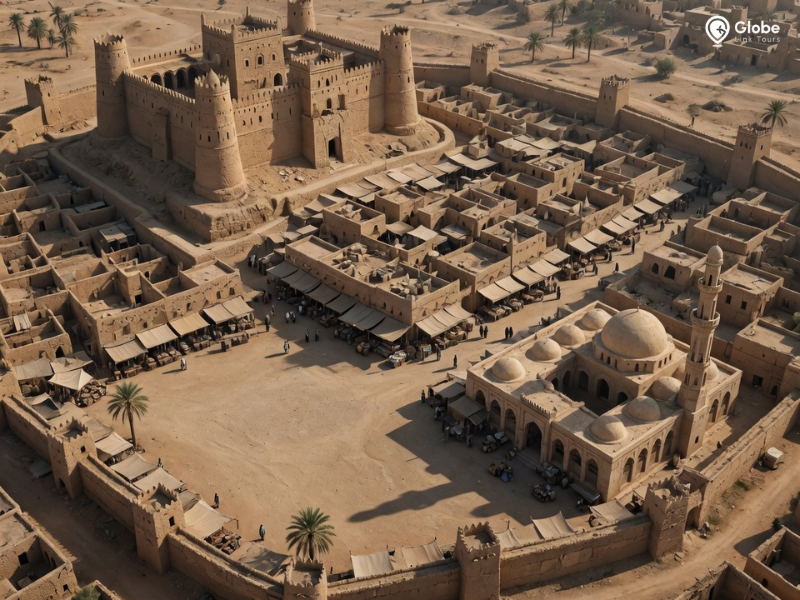
Al Masmak Fort stands in the old centre of Riyadh and carries one of the strongest stories in Saudi history. Its thick mud walls, 4 round towers, famous wooden gate, and inner courtyard show a side of the capital that existed long before modern roads and tall buildings. Travellers adding Riyadh to a pilgrimage journey can compare the available Umrah packages before arranging separate flights, hotel nights, and transport for the capital.
The fort is closely connected with King Abdulaziz and the recapture of Riyadh in 1902. That event became an important early point in the long process that led to the unification of Saudi Arabia. Today, the building works as the Al Masmak Fort Museum and presents this history through restored rooms, maps, photographs, old objects, and visual displays.
Visitors often feel unsure about the name. Some travel pages call it Al Masmak Palace, while others call it Al Masmak Fort or Masmak Fortress. These names normally refer to the same historic building in Riyadh’s Al Dirah district.
Is Al Masmak Fort Worth Visiting?
Yes, Al Masmak Fort is worth visiting for travellers interested in Saudi history, Najdi architecture, museums, and the older side of Riyadh.
The building is not a large modern museum filled with endless galleries. Its value comes from standing inside the actual place connected with the recapture of Riyadh. The walls, gate, towers, mosque area, well, rooms, and courtyard all add meaning to the historic account.
Families can also enjoy the visit. Children often pay attention to the large gate, defensive towers, old weapons, narrow openings, and traditional building style. Adults may spend more time reading the displays and looking at old maps.
The fort sits near other Riyadh historical attractions, so it can become part of a calm half day around the old city rather than a single short stop.
The Event That Made the Fort Famous
Al Masmak Fort is famous for its connection with King Abdulaziz’s recapture of Riyadh in January 1902.
King Abdulaziz entered Riyadh with a small group of men and took control of the fort. The event gave him a base in the city and became a major early step in the political unification that followed.
The fort now stands as a symbol of courage, leadership, and the beginning of a new period in the history of the Arabian Peninsula. Saudi cultural sources describe the building as a major historic site connected with the foundation and unification story of the Kingdom.
A visit becomes more meaningful when you know this background before entering. Otherwise, the rooms may look quiet and plain, while their historic value can be missed.
Al Masmak Fort and Al Masmak Palace
Al Masmak Fort and Al Masmak Palace are 2 names used for the same site.
The word fort fits its defensive walls, towers, guarded entrance, and strong wooden gate. The word palace reflects its use as an official building with rooms for leadership, meetings, storage, worship, and daily duties.
Today, the name Al Masmak Fort Museum is also used because the restored building contains public exhibits. Travellers seeking a fuller account of the site can read the guide to Al Masmak Palace in Riyadh during their trip preparation.
The different names should not cause worry. A map search using any of these common names will normally point toward the same heritage site in central Riyadh.
The Meaning of the Name Masmak
The name Masmak is linked with strength, thickness, and a solid structure.
This meaning suits the old fort very well. Its heavy mud walls and tall corner towers were made to protect the people and activities inside the building.
The structure was not designed only for beauty. Every thick wall, narrow opening, and guarded entrance served a practical purpose in an age before modern security systems.
Its strong form also helped it survive through major changes in Riyadh. The city around it became much larger and more modern, yet the old fort remained an important sign of the capital’s past.
Traditional Najdi Architecture
Al Masmak Fort is a strong example of traditional Najdi architecture from central Saudi Arabia.
Its builders used local materials that suited Riyadh’s hot and dry climate. Mud brick, clay, stone, palm trunks, and timber formed the main parts of the structure.
The walls are thick, which supported strength and also reduced some outside heat. Small openings allowed air and light to enter while keeping the outer walls protected.
The inner courtyard gave the building an open area for movement, air, and daily activity. This type of courtyard design can be seen in many older homes and official buildings across the Najd region.
The 4 Defensive Towers
The fort has 4 round towers placed at its corners.
These towers gave guards a higher point from which they could watch the area around the building. Their round shape and thick construction added protection during conflict.
Visitors can see how the towers rise above the outer walls. They give Al Masmak Fort its recognised appearance and make the building easy to identify in photographs.
The towers also show that this was not an ordinary home. It was a guarded building created for authority, security, storage, and defence within old Riyadh.
The Famous Wooden Gate
The main wooden gate is one of the most important parts of Al Masmak Fort history.
It is thick, heavy, and made for defence rather than decoration alone. Its size gives visitors a clear sense of the security needs that existed during that period.
The gate is strongly tied to the 1902 battle. A well known account states that part of a spear remained lodged in the gate during the attack, and the mark connected with that event became part of the fort’s story.
Many visitors spend time looking at the gate before entering. It offers a direct physical link with the moment that made the old Riyadh fort nationally important.
The Courtyard and Interior Rooms
The main courtyard sits inside the outer walls and connects different parts of the building.
It allows natural light and air to enter the fort. In the past, it also provided space for movement, meetings, and daily activity inside a protected area.
Rooms around the courtyard served different needs. Some were used for official work, storage, meetings, worship, or living arrangements.
The spaces may feel modest compared with modern government buildings. Still, their layout shows the way authority and daily duties were managed in old Riyadh.
The Mosque Area and Well
Al Masmak Fort includes a mosque area that supported the religious needs of people working or staying inside.
The prayer space reflects the close place of worship in daily life. It was not treated as a separate concern, but as a normal part of the building’s purpose.
An old well also formed part of the fort. Access to water was very important in Riyadh’s dry climate, especially inside a defended structure.
These parts remind visitors that the fort was not only a battle site. People worked, prayed, stored supplies, held meetings, and carried out ordinary duties within its walls.
Inside Al Masmak Fort Museum
The Al Masmak Fort Museum gives visitors background about Riyadh, King Abdulaziz, and the unification period.
The exhibits are arranged across restored areas of the building. Visitors may see historic photographs, maps, weapons, written records, traditional objects, models, and screens presenting major events.
The museum is divided into several parts connected with the fort, the battle for Riyadh, and the formation of the Kingdom. Saudi heritage information describes 6 main museum sections inside the site.
The displays support visitors who arrive with little knowledge of Saudi history. Reading them slowly can turn an old mud building into a much clearer historic account.
Museum Restoration and Reopening
The fort has received restoration and care to protect its walls, rooms, displays, and visitor areas.
The Museums Commission reopened Al Masmak Palace Museum in July 2025 after work on the building and its services. The project covered structural care, infrastructure, exhibitions, visitor access, and the presentation of its historic story.
Restoration is important because mud buildings need regular attention. Heat, dust, rain, and large visitor numbers can slowly affect old materials.
Visitors should respect barriers and closed areas. A rope or restricted doorway is normally there to protect a weak surface, an exhibit, or part of the building under care.
Al Masmak Timings for Visitors
The Saudi Ministry of Culture currently lists Al Masmak Fort Museum as open from 8:00 am to 9:00 pm from Saturday to Thursday.
The listed Friday period is 4:00 pm to 9:00 pm. These times may be affected by national events, public holidays, maintenance work, private programmes, or special exhibitions.
Try to arrive at least 60 to 90 minutes before closing. Reaching the entrance too late can leave little time for the rooms, photographs, maps, and nearby heritage area.
Friday requires extra care because the museum opens later. Prayer times and evening traffic around central Riyadh can also affect your arrival.
Al Masmak Fort Tickets and Entry
Regular entry to Al Masmak Fort has often been offered without an admission charge.
Still, visitors should check current entry conditions before leaving their hotel. A special exhibition, organised activity, school programme, or private event may operate under different arrangements.
Large groups may also need to contact the site in advance. Turning up with many people without prior notice can create delays at the entrance.
Even when the fort has free entry, keep money for parking, transport, food, or purchases at nearby markets. A free museum does not always mean the whole outing has no cost.
Time Needed Inside the Fort
Most visitors should keep around 1 to 2 hours for the fort and museum.
A fast walk may take less than 1 hour, but that gives little time for the exhibits and historic meaning. Visitors who enjoy architecture, old photographs, or political history may stay longer.
Families with children may need breaks. Young visitors can become tired when adults spend too long reading every display, so a balanced pace often works better.
Add another 1 to 2 hours when visiting Souq Al Zal and the surrounding heritage area. The full outing can easily become a half day.
A Calm Route Through the Museum
Begin at the outer walls and look at the 4 corner towers before entering.
Spend a few minutes at the wooden gate, then move into the courtyard. Notice the thickness of the walls, the small openings, and the local building materials.
Inside the museum, follow the display order rather than moving between rooms at random. The account makes more sense when the events are seen in their intended sequence.
End the fort visit with the rooms linked to King Abdulaziz and the recapture of Riyadh. After that, walk toward the nearby market and public squares if your group still has enough energy.
Al Masmak Fort for Families
The museum can suit families because the building offers more than written information.
Children can look at the towers, gate, well, weapons, models, photographs, and thick walls. These physical features often hold their attention better than long pages of text.
Parents may give children small tasks, such as counting the towers or spotting the building materials used in the courtyard. Keep the activity calm so other visitors can enjoy the museum.
Families planning a longer pilgrimage trip may consider an affordable Umrah package for 10 nights when they need more room for worship, rest, and optional travel beyond Makkah and Madinah.
A Real Family Visit to Old Riyadh
A family of 4 arrived at the fort late in the day after spending several hours at a shopping centre.
They expected the visit to take only 20 minutes. Parking took longer than planned, and their youngest child was already tired before they reached the gate.
Inside, the parents wanted to read the displays, but the children kept asking to leave. The family moved through the rooms too fast and missed much of the museum.
They returned on another morning with water, comfortable shoes, and 2 free hours. The second visit felt very different because nobody was rushing, and the children had enough energy to notice the towers, courtyard, and old well.
Issues That Often Reduce the Visit
Some visitors stop outside, take a photograph, and leave without entering the museum.
The outside view is valuable, but it cannot give the full story. The interior displays explain the people, events, and political change connected with the site.
Another issue is using old Al Masmak timings from a travel post without checking the official listing. Visitor hours may change after restoration work, seasonal schedules, or special events.
Travellers also place too many distant Riyadh historical attractions into 1 day. Long road journeys can turn a cultural trip into many hours spent inside a car.
Nearby Places Worth Adding to the Route
Al Masmak Fort sits within the historic Qasr Al Hukm area, so several important places are close enough for the same outing. This saves road time and allows visitors to see the older character of Riyadh in a more natural order.
Souq Al Zal is among the closest attractions. The traditional market is known for carpets, incense, antiques, clothing, crafts, and older household items. Even visitors who buy nothing may enjoy its narrow shopping lanes and local atmosphere.
Qasr Al Hukm Square and Imam Turki bin Abdullah Grand Mosque are also nearby. The wider district was developed around religious, public, commercial, and heritage spaces that hold an important place in Riyadh’s city centre.
Keep enough time for walking between these places. A visit to the fort and nearby area may take 3 to 4 hours when your family stops for food, prayer, photographs, and market shopping.
Souq Al Zal After the Museum
Souq Al Zal can be visited after the Al Masmak Fort Museum because it adds daily culture to the historic story.
The fort presents leadership, defence, architecture, and national history. The nearby market gives a view of traditional trade, crafts, scents, fabrics, carpets, and local shopping habits.
Prices may not be displayed on every item, so ask calmly before buying. Visitors who are not used to traditional markets may feel unsure at first, but there is no need to rush into a purchase.
Keep children close because market lanes can become busy. Carrying a smaller bag also makes walking through shops more comfortable.
A Half Day Plan for Old Riyadh
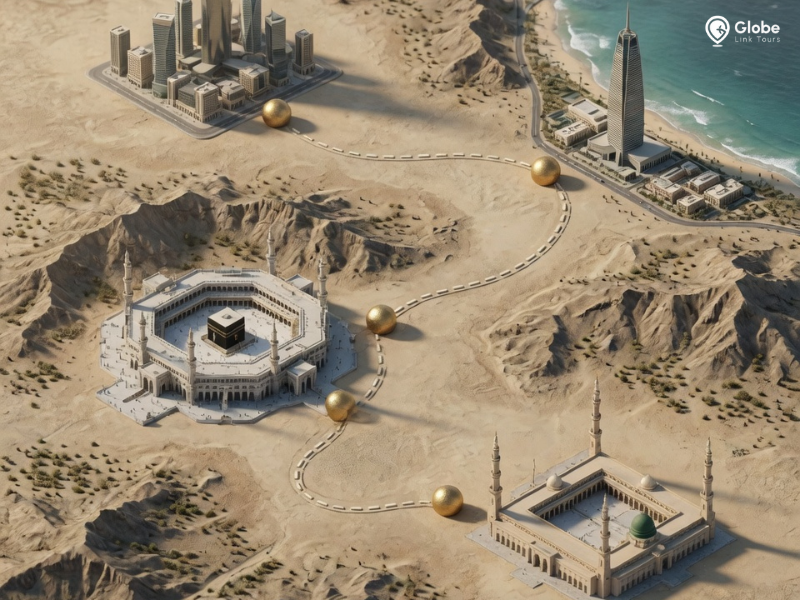
A half day gives most visitors enough time for Al Masmak Fort and the surrounding heritage area.
Start with the museum while your group has energy. Spend around 1 to 2 hours inside, then move toward Qasr Al Hukm Square, the nearby mosque area, and Souq Al Zal.
A practical schedule may look like this:
- Arrive in the historic district
- Walk around the outer walls
- Enter the Al Masmak Fort Museum
- View the courtyard and main rooms
- Spend time at the famous wooden gate
- Walk through Qasr Al Hukm Square
- Visit Souq Al Zal
- Stop for prayer or a meal
- Meet your driver at an agreed point
Do not add several distant sites to the same half day. Riyadh is large, and travel between neighbourhoods can use more time than expected.
Best Periods for Outdoor Walking
The cooler months are often more comfortable for walking around the old Riyadh fort and nearby public spaces.
During hotter months, the indoor museum may still feel manageable, but the walk between the fort, market, and square can become tiring. Carry water and limit long outdoor periods during the strongest heat.
Morning visits can suit families with children and older relatives. Evening visits may offer a livelier market atmosphere, though roads and public areas may become busier.
Weather, prayer times, and family energy should guide the day. A plan that looks fine on paper may feel harder after a long flight or several days of pilgrimage travel.
Clothing for the Fort and Nearby Area
Wear modest clothing that suits local customs and allows easy walking.
Comfortable shoes matter because the outing may include museum floors, courtyards, market lanes, and public squares. New shoes can cause pain when worn for several hours.
Carry a light outer layer if indoor air conditioning feels cold to you. A sun covering may also be useful when walking outside during warmer periods.
Avoid carrying heavy travel luggage into the historic district. Leave large bags at the hotel or inside a secure vehicle when possible.
Photography Inside Al Masmak Fort
Visitors often want photographs of the towers, gate, courtyard, walls, and museum rooms.
Photography rules may differ between normal visitor areas and certain displays. Watch for signs and follow staff instructions before using flash, tripods, or large camera equipment.
Try not to block doorways while taking pictures. Historic rooms can have narrow passages, and other visitors need enough space to move.
Spend some time looking without a camera as well. The texture of the mud walls and the scale of the wooden gate often feel stronger in person than they look on a phone screen.
Respectful Behaviour at a Saudi Heritage Site
Al Masmak Fort is a public museum, but it is also a place tied closely to Saudi national history.
Speak at a calm level, keep children under supervision, and avoid touching museum objects or old surfaces. Mud brick and traditional timber can be damaged more easily than modern construction.
Follow any route set by museum staff. Some rooms may close for care, official events, or exhibition changes, and entering restricted areas can damage the site.
Respect is not complicated. It means giving the place, its story, its staff, and other visitors proper space.
Accessibility and Family Comfort
The restored museum has received visitor service and infrastructure work, but historic buildings can still contain uneven floors, narrow passages, and areas that are harder for some guests. The Museums Commission’s restoration work included improvements to access and the visitor experience.
Families travelling with a stroller should check the entrance arrangement on arrival. A lightweight stroller may be easier than a large travel model in narrow spaces.
Older visitors may need seating breaks after walking around the fort and market. Set a meeting point in case family members move through the rooms at different speeds.
A slower visit is often better than trying to match the pace of a tour group. The site can still be enjoyed without entering every small area.
Food and Prayer During the Outing
The old city district has food and shopping options nearby, but it is better to plan meal times before young children become hungry.
Eat before entering when your group needs a full meal. Food and drinks may be limited in museum rooms to protect displays and historic surfaces.
Prayer time should also be considered. Imam Turki bin Abdullah Grand Mosque is close to the heritage area, and other prayer spaces may be available nearby.
Allow a small time gap rather than building a schedule with no room for prayer, rest, or restroom visits. Small delays are normal during family travel.
Al Masmak Fort During Ramadan
Ramadan can change the pace of Riyadh, including road traffic, meal times, family activity, and visitor schedules.
Museums may operate under seasonal hours, so older timing information should not be trusted without a fresh check. Evening areas may become busier after Iftar, while some daytime periods can feel quieter.
Pilgrims travelling during the holy month may also need to balance Riyadh sightseeing with Makkah worship and physical rest. The guide to Ramadan planning in Makkah covers crowd levels, prayer routines, transport, and travel timing.
Do not let an optional museum trip leave your family too tired for the religious purpose of the journey. Rest should remain part of the plan.
Adding Riyadh to an Umrah Journey
Riyadh is not located on the regular Jeddah, Makkah, and Madinah pilgrimage route.
A traveller normally needs a domestic flight, longer road transport, or a different international flight arrangement to add the capital. This means extra hotel nights, meals, transfers, and luggage movement.
An affordable Umrah package for 5 nights may be suitable for a shorter religious journey, but adding Riyadh to a tight schedule can place too much pressure on the family.
Count the full travel time rather than only the flight duration. Airport arrival, baggage, city transport, hotel check in, and rest can take much of a day.
Hajj Season Travel Considerations
Travel inside Saudi Arabia becomes more demanding around the Hajj season.
Flights, hotels, permits, road movement, and visitor numbers may change. Pilgrims should keep the main religious arrangements secure before adding museums or distant city stops.
People preparing ahead can read the guide on Hajj 2027 dates and planning for USA pilgrims before placing Riyadh in the same journey.
A heritage stop may be rewarding, but it should not create a risk of missing a flight, permit time, group departure, or important pilgrimage duty.
Historical Reading Before the Visit
A small amount of background reading can make the museum displays easier to follow.
Read about King Abdulaziz, the 1902 recapture of Riyadh, and the growth of the Saudi state. This gives meaning to the maps, weapons, photographs, and rooms inside the museum.
Travellers interested in wider Islamic history may also read the account of Zul Qarnain and Quranic lessons during their travel preparation.
Keep different historical periods separate in your mind. Al Masmak Fort relates to modern Saudi national history, while older Islamic accounts belong to very different times and settings.
The Fort Within a Wider Travel Plan
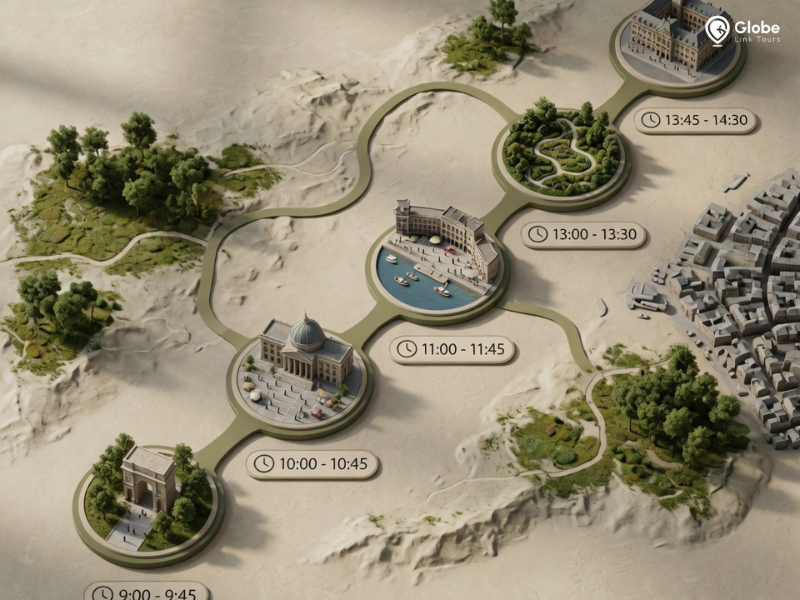
Al Masmak Fort works best when it is placed inside a realistic Saudi travel schedule.
Flights, visas, pilgrimage duties, hotel nights, airport transfers, family health, and rest should be arranged before optional sightseeing. This prevents a cultural visit from causing pressure during the most important parts of the journey.
The Umrah from New York guide for families and first time pilgrims gives the main planning base for travellers coming from the United States. Riyadh can then be added only when time and budget allow.
This connection matters because a good itinerary is not measured by the number of places visited. It is measured by whether the family can complete the journey safely, calmly, and with enough energy.
Times When Travel Support Can Reduce Pressure
Travel support may be useful when Riyadh is being added to a pilgrimage trip for the first time.
A family may need assistance with domestic flights, a suitable hotel area, airport pickup, a private driver, luggage space, and the order of city visits. These details can feel tiring when several people are travelling together.
Support is also valuable for older passengers or families with young children. Fewer transport changes and a clear pickup point can make the day much easier.
The service should keep the plan realistic. It should not pack many far apart attractions into a single day just to make the itinerary look full.
Advice for a Better Museum Visit
Read the main historical background before arriving, but leave time to read the museum displays as well.
Visit the fort before the nearby market if history is your main interest. Shopping first may use your energy and leave too little time before museum closing.
Keep your phone charged, save the map point, and agree on a meeting place with your driver. Busy public areas can make pickup confusing, mainly in the evening.
Carry patience. Traffic, parking, prayer time, or a temporary room closure may slightly change your plan, and a calm response keeps the family day pleasant.
Conclusion
Al Masmak Fort is famous for its link with King Abdulaziz and the recapture of Riyadh in 1902. Its mud walls, 4 towers, wooden gate, courtyard, mosque space, well, and museum rooms hold an important part of Saudi national heritage. The fortress now contains a museum devoted to the Kingdom’s unification story.
Most visitors should keep 1 to 2 hours for the Al Masmak Fort Museum. Add more time for Souq Al Zal, Qasr Al Hukm Square, the nearby mosque, food, and prayer.
Check current Al Masmak timings and entry conditions before leaving your hotel. Seasonal schedules, cultural programmes, and maintenance can affect access.
The site is cared for within Saudi Arabia’s wider cultural system. Near the end of your trip research, the background page on the Saudi Ministry of Culture and its cultural role gives extra context about the national body linked with heritage, museums, arts, and cultural policy.
Frequently Asked Questions
Is Al Masmak Fort the same as Al Masmak Palace?
Yes. Both names usually refer to the same historic building in central Riyadh. It is also called the Al Masmak Fort Museum.
What is Al Masmak Fort famous for?
It is famous for the 1902 recapture of Riyadh by King Abdulaziz. That event became an important early step in Saudi unification.
Is Al Masmak Fort free to visit?
Regular public entry has commonly been free. Visitors should still check the current entry rule before travelling.
What are the visiting hours for Al Masmak Fort?
The listed hours in Part 1 were 8:00 am to 9:00 pm from Saturday to Thursday and 4:00 pm to 9:00 pm on Friday. Seasonal changes may apply.
How much time should I spend at Al Masmak Fort?
Keep around 1 to 2 hours for the museum. A full old Riyadh outing with nearby sites may take 3 to 4 hours.
Is Al Masmak Fort suitable for families?
Yes. Children may enjoy the towers, gate, courtyard, well, old objects, maps, and photographs. Parents should keep younger children close.
What other attractions are near Al Masmak Fort?
Souq Al Zal, Qasr Al Hukm Square, and Imam Turki bin Abdullah Grand Mosque are among the main nearby places.
Can visitors take photographs inside the museum?
Photography may be allowed in many areas, but signs and staff instructions should be followed. Flash or larger equipment may face limits.
Is Al Masmak Fort accessible for older visitors?
Many visitor areas can suit older guests, though the historic layout may include uneven floors or narrow spaces. Allow rest time and ask staff about easier routes.
Can Al Masmak Fort be visited during an Umrah trip?
Yes, but Riyadh requires extra travel because it is outside the main Makkah, Madinah, and Jeddah route. Add it only when time and budget are sufficient.