
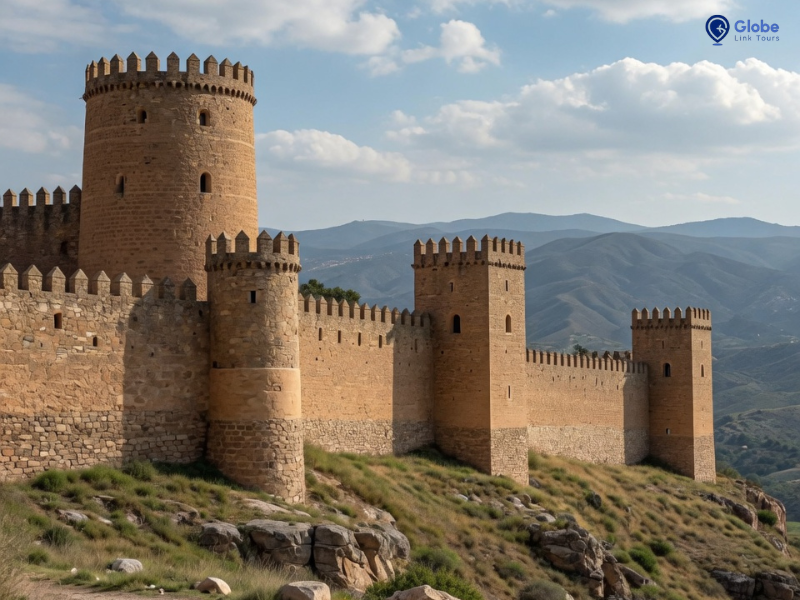
Al Masmak Palace Riyadh is one of the most important historic landmarks in the Saudi capital. Its thick mud walls, tall round towers, open courtyard, and old wooden gate carry a story linked with the formation of modern Saudi Arabia. Travellers adding Riyadh to a longer Saudi journey may consider a luxury Umrah package for 7 nights before arranging flights, hotels, and extra days in the capital.
Many visitors hear the names Al Masmak Palace, Al Masmak Fort, and Al Masmak Museum and think these are separate places. In fact, the names usually refer to the same historic building and its museum displays. It stands in Riyadh’s old Al Dirah area, close to traditional markets and other heritage sites.
A visit is not only about seeing an old fort. It gives you a clearer picture of Riyadh before modern towers, motorways, and large shopping areas changed the city. The palace shows the early building style, defence needs, daily life, and political history of the region.
Is Al Masmak Palace Riyadh Worth Visiting?
Yes, Al Masmak Palace Riyadh is worth visiting for people interested in Saudi history, architecture, museums, and old city areas.
The building played a major role in the 1902 recapture of Riyadh by King Abdulaziz. This event became an important early step in the unification process that later formed the modern Kingdom of Saudi Arabia. The palace is now presented as a national heritage site with rooms, exhibits, photographs, maps, and historic objects.
The visit is suitable for adults, families, students, and first time travellers. Children may enjoy the towers, large gate, old courtyard, wells, weapons, and building shape, while adults may spend more time reading about the events connected with the site.
It also fits well into a half day tour of old Riyadh because several traditional attractions sit close to the palace.
The Historical Importance of Al Masmak Palace

Al Masmak Palace is strongly connected with the return of King Abdulaziz to Riyadh in 1902.
King Abdulaziz and his men entered the city and captured the fortress during a major turning point in Saudi history. This success gave him control of Riyadh and began a longer period of political unification across different parts of the Arabian Peninsula.
The building therefore carries more than local value. It represents courage, leadership, political change, and the early foundation of the Saudi state. The restored museum now presents this history through displays and visitor areas.
Standing inside the courtyard can make the history feel more real. You see the thick defensive walls and narrow openings that were designed for a very different time.
Is Al Masmak Palace the Same as Al Masmak Fort?
Yes, Al Masmak Palace and Al Masmak Fort normally mean the same historic site.
Some sources call it a palace because it served official and residential purposes. Others use the word fort or fortress because its walls, towers, gate, and defensive form gave it strong military value.
Today, visitors may also hear the name Al Masmak Museum. This refers to the museum experience inside the restored palace.
Using any of these names in a map application should normally take you toward the same area. Still, saving the full name and Al Dirah location before leaving the hotel can reduce confusion.
The Meaning Behind the Name Al Masmak
The word Al Masmak is linked with the idea of a strong, thick, and high structure.
This name matches the physical form of the palace. Its walls were built to provide strength and protection, while its large corner towers gave guards a clear view of the surrounding area.
The fort was made for the climate and building methods of central Arabia. Mud brick, clay, timber, palm materials, and stone were used in ways that supported both defence and daily use.
The building may look plain beside a modern palace, but its strength comes from proportion, thickness, and practical design rather than decoration.
Architecture That Reflects Old Riyadh
The architecture of Al Masmak Palace follows the traditional Najdi style found in central Saudi Arabia.
Its outer walls are thick and earth coloured. There are 4 large round watchtowers at the corners, small openings in the walls, an open courtyard, a mosque area, rooms, a well, and a main wooden gate.
The towers gave guards a better view and supported the defence of the building. The small wall openings allowed observation while reducing exposure from outside.
Inside, the courtyard brings light and air into the building. This was important in a hot, dry climate where large glass windows and modern air systems did not exist.
The Famous Main Gate

The main gate is one of the most recognised parts of Al Masmak Palace.
It is made from thick wood and reflects the defensive needs of the period. Visitors often stop here because the gate is closely linked with the 1902 recapture of Riyadh.
Historic accounts describe a spearhead connected with the attack becoming lodged in the gate. The mark is often shown as part of the palace story and remains a strong visual symbol for visitors.
The gate is not only an entrance. It represents the moment when control of Riyadh began to change and a new chapter of Saudi history started.
Areas Visitors May See Inside
The palace museum contains several spaces linked with administration, worship, defence, and daily life.
Visitors may pass through the courtyard, rooms, mosque area, towers, old well, meeting spaces, and exhibit halls. Displays may include photographs, documents, maps, weapons, models, traditional items, and information about the recapture of Riyadh.
A short film or visual presentation may also be available, depending on current museum arrangements. These displays give context to visitors who know little about Saudi history before arriving.
The building itself is the main object of interest. Even without reading every sign, you can study the walls, room sizes, light openings, doorways, and materials.
Al Masmak Museum Displays
The museum explains the role of the palace through restored rooms and organised exhibits.
Some areas focus on the political history of Riyadh. Others show weapons, old photographs, maps, traditional tools, and parts of daily life from the period.
The displays make the visit easier for international travellers because the building alone may not explain every event. Check whether English descriptions or digital visitor support are available when you arrive.
The museum reopened in July 2025 after restoration and infrastructure work intended to protect the building and improve the visitor experience.
Current Al Masmak Palace Timings
The official Saudi Ministry of Culture page currently lists opening hours from 8:00 am to 9:00 pm from Saturday to Thursday.
On Friday, the listed visiting period is 4:00 pm to 9:00 pm. Public holidays, maintenance work, national events, and private ceremonies may affect these hours.
Check the official listing again on the day of your visit. This matters if you are travelling across Riyadh, joining a guided tour, or arranging another museum on the same day.
Arriving at least 60 to 90 minutes before closing gives you enough time to enter, view the displays, and walk around without rushing.
Entrance Fee and Ticket Checks
Al Masmak Palace has commonly offered free public entry, though visitors should verify the current rule before travelling.
The official cultural listing presents visitor hours, but ticket rules can be updated during special exhibitions, organised activities, or national events. Some third party listings also state that ordinary entrance is free.
Keep some money available for parking, food, transport, or purchases in nearby markets. A free museum visit can still involve other small costs.
Large organised groups may need advance arrangements. Schools, tour groups, and private guides should check before arriving with many visitors.
Time Needed for the Visit
Most travellers should allow around 1 to 2 hours for Al Masmak Palace.
A quick visitor may walk through in 45 minutes, but that leaves little time for exhibit text, photographs, and the surrounding old city area. People with a strong interest in history may stay longer.
Plan extra time if you want to visit Souq Al Zal, Imam Turki bin Abdullah Grand Mosque, or Qasr Al Hukm nearby. Together, these attractions can fill a comfortable half day.
Avoid placing the palace visit just before an airport journey. Riyadh traffic and parking can take more time than expected.
The Best Time of Day for a Visit
A morning visit can feel quieter and easier for families.
It also gives you time to visit nearby markets before the afternoon becomes busy. During warmer months, the museum interior may feel more comfortable than walking outside, but the streets around it can still be very hot.
Late afternoon and evening visits have a different mood. The old Riyadh area becomes more active, and nearby markets may have more visitors.
Friday visitors should remember that the museum’s official opening period begins later in the day. Prayer times and local traffic may also affect movement in the area.
Al Masmak Location in Riyadh
Al Masmak Palace stands in the Al Dirah district in central Riyadh.
This is part of the city’s historic core, close to Qasr Al Hukm, traditional streets, old markets, and major religious buildings. The area feels very different from Riyadh’s newer business districts.
Use a map application and save the destination before leaving. Depending on road closures or events, the driver may need to use a different drop off point.
The palace is easier to combine with nearby heritage attractions than with places located far in northern Riyadh. Grouping sites by area saves time and reduces repeated driving.
Attractions Close to Al Masmak Palace
Souq Al Zal is one of the closest and most interesting places to add after the palace.
The market is known for traditional goods, carpets, incense, clothing, antiques, crafts, and old style shopping lanes. Visitors may enjoy walking through it even when they do not plan to buy anything.
Qasr Al Hukm and Imam Turki bin Abdullah Grand Mosque are also nearby. These sites help visitors see the old political, commercial, and religious centre of Riyadh.
The wider Qasr Al Hukm district has been developed to preserve the character of Riyadh’s old centre and its main historic spaces.
A Step by Step Visitor Plan
Start by checking the current opening period before leaving your hotel.
Next, save the palace location and estimate the road time. Riyadh is a large city, and a short distance on the map may take longer during busy traffic.
Use this order for a smoother visit:
- Check the current museum hours
- Confirm entry conditions
- Save the map location
- Wear comfortable shoes
- Carry water for outside walking
- Arrive with enough time before closing
- Visit the palace museum first
- Walk toward nearby heritage sites
- Visit Souq Al Zal after the museum
- Arrange transport before the area becomes crowded
Travellers coming from the United States may also use an Umrah from New York planning guide when placing Riyadh before or after the main pilgrimage route.
A Real Family Visit
A family arrived in Riyadh with 3 children and planned to visit Al Masmak Palace late in the evening.
They spent too long at a shopping centre and reached the old city area close to closing time. The children were tired, parking took longer than expected, and the family rushed through the displays.
On the next day, they returned earlier and grouped the palace with Souq Al Zal. They allowed 90 minutes for the museum and another hour for the market.
The second visit felt calmer. The children had time to look at the old towers and gate, while the parents could read the museum displays without watching the clock every few minutes.
Visitor Errors That Reduce the Experience
One frequent error is treating Al Masmak Palace as a quick photo stop.
The exterior is impressive, but the museum rooms provide the history that gives the building meaning. Leaving after 10 minutes means missing most of the value.
Another issue is relying on old timing information. A museum may change its hours for restoration, events, holidays, or national celebrations.
Some visitors also combine attractions that sit on opposite sides of Riyadh. This leads to long periods in traffic and less time at each place.
Wearing uncomfortable shoes can also become a problem because the visit may include the palace, market streets, and nearby public squares.
Practical Advice for a Better Visit
Read a short account of the 1902 recapture of Riyadh before arriving.
This gives meaning to the gate, towers, courtyard, and museum displays. Without that background, some rooms may look like ordinary empty spaces.
Carry a charged phone, but avoid spending the full visit taking videos. Stop for a few moments and look at the construction details with your own eyes.
Travellers interested in wider historical themes may also read about Zul Qarnain and lessons from Islamic history as part of their broader reading before a Saudi journey.
Families using a premium Umrah package for 5 nights may have limited time for Riyadh, so an extra city stay should be planned separately rather than placed inside a very tight worship schedule.
Al Masmak Palace Within a Saudi Journey
Riyadh is not part of the main Umrah route between Jeddah, Makkah, and Madinah.
Adding the capital normally requires an internal flight, a longer road journey, or separate arrival and departure arrangements. This extra travel should be considered before booking hotels.
A longer trip may allow visitors to see both religious cities and national heritage sites. A premium Umrah package for 10 nights can give more space for worship, though Riyadh days may still need separate flights and accommodation.
The trip should remain realistic. A historic visit is valuable, but rest, prayer, health, and travel time should not be ignored.
Planning Riyadh Before Hajj or Umrah
Riyadh may be easier to visit before the main pilgrimage or after all religious duties are complete.
During Hajj season, travel routes, permits, flights, and entry conditions can become more complex. Pilgrims preparing ahead may review the guide on Hajj 2027 dates and planning for USA travellers before adding optional city stops.
Budget also matters. Domestic flights, Riyadh hotels, meals, local transport, and extra luggage can raise the total journey cost.
The guide covering Hajj expenses from the USA can support wider budget planning even when the palace itself has free entry.
Connection With the Main Travel Strategy
A visit to Al Masmak Palace should fit inside a complete Saudi travel plan.
The main plan needs to cover visas, flights, pilgrimage dates, hotel nights, city transfers, health, prayer time, and optional sightseeing. Riyadh should not be added only because there is 1 empty day on paper.
The Umrah from New York planning guide gives families a wider base for arranging flights, timing, and the religious part of the journey before extra destinations are added.
Some travellers also compare a Saudi journey with a separate Gulf holiday. The Dubai trip package guide for USA families may support that comparison when several countries are being considered.
Times When Travel Support May Be Useful
Travel support can reduce stress when Riyadh is being added before or after Umrah.
A travel planner may assist with domestic flights, hotel areas, airport transfers, city drivers, and the number of nights needed. This can matter for families, elderly visitors, or travellers who have never visited Saudi Arabia.
Support should keep the schedule practical. It should not place 6 distant attractions into 1 day or reduce important worship time.
The palace itself is easy to visit once transport and timing are clear. The more difficult part is fitting Riyadh into the wider journey without making the trip tiring.
Final Thoughts
Al Masmak Palace Riyadh is one of the strongest symbols of Saudi national history.
Its mud brick walls, round towers, famous gate, courtyard, mosque area, and museum displays tell the story of old Riyadh and the 1902 recapture of the city. It is also one of the best places to see traditional Najdi architecture in the capital.
Allow around 1 to 2 hours for the museum and extra time for Souq Al Zal and nearby heritage sites. Check the official visitor hours before leaving because special events may affect access.
For an extra historical overview near the end of your travel preparation, the background page on Al Masmak Palace and its role in Riyadh gives wider context, while current timings should always be confirmed through the Saudi cultural authority.
Frequently Asked Questions
What is the historical importance of Al Masmak Palace Riyadh?
It is linked with King Abdulaziz’s recapture of Riyadh in 1902, an event that became an early step in the unification of Saudi Arabia.
Is Al Masmak Palace the same as Al Masmak Fort?
Yes. Al Masmak Palace, Al Masmak Fort, and Al Masmak Fortress normally refer to the same historic building.
What are the opening hours of Al Masmak Palace?
The official listing currently shows 8:00 am to 9:00 pm from Saturday to Thursday and 4:00 pm to 9:00 pm on Friday. Check again before visiting.
Is there an entrance fee for Al Masmak Palace?
Ordinary entry has commonly been free. Confirm the current rule before travelling because special events or exhibitions may have different conditions.
How long does it take to visit Al Masmak Palace?
Most visitors need around 1 to 2 hours. Allow more time when adding Souq Al Zal and nearby old Riyadh attractions.