
Planning an Umrah journey is not only about flights, hotels, visas, and transport. It is also about the heart. Many families start by looking at trusted umrah packages so they can travel with less stress and focus more on worship, peace, and time together. Globe Link Tours offers Umrah package options with support for visas, accommodation, transport, and related travel needs.
For many Muslims, Umrah feels like a fresh start. Life can become busy. Work, family duties, stress, bills, and daily problems can slowly make the heart feel tired. Sometimes a person wants to reconnect with Allah but does not know where to begin. Umrah gives that person a peaceful space to return to faith with a softer heart.
The benefits of Umrah are spiritual, emotional, and personal. It is a journey of worship, reflection, patience, gratitude, and family bonding. It reminds you that life is bigger than daily worries. It helps you slow down and remember what truly matters.
This guide explains the main Umrah benefits in simple words. It also covers common mistakes, family travel tips, expert advice, and how Umrah connects with a complete travel plan.
What are the main Umrah benefits?
The main Umrah benefits include spiritual renewal, seeking forgiveness, stronger faith, inner peace, family closeness, patience, gratitude, and a deeper connection with Allah.
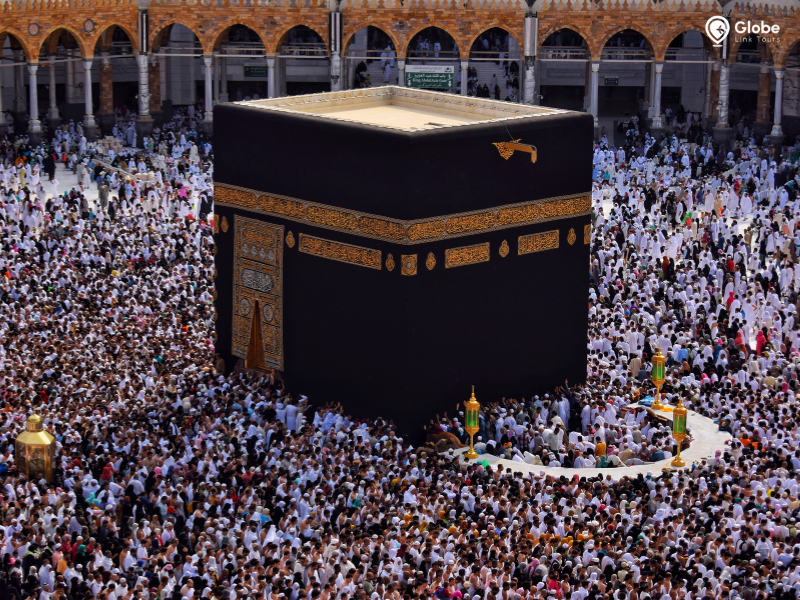
Umrah is a beautiful act of worship. It allows a Muslim to visit the sacred places, perform Tawaf around the Kaaba, walk between Safa and Marwah, make dua, and spend time in prayer. These acts may look simple from outside, but they can feel deeply powerful when done with sincerity.
Many people return from Umrah feeling lighter. They may still have problems in life, but their heart feels stronger. They feel more hopeful. They feel more aware of Allah’s mercy.
This is one of the biggest spiritual rewards of Umrah. It can help a person reset their priorities. It can remind them to pray on time, speak kindly, avoid bad habits, and live with more purpose.
Why does Umrah matter so much?
Umrah matters because it brings the body, heart, and soul together in worship.
In normal life, your body may be at work, your mind may be busy, and your heart may feel far from peace. During Umrah, your full attention turns toward Allah. You leave your usual routine. You wear simple Ihram. You stand with people from many countries. Everyone is there for the same reason.
This makes a person feel humble. It reminds you that wealth, status, job titles, and daily arguments are temporary. What remains is your connection with Allah and your actions.
For families, Umrah can also become a turning point. Parents and children pray together. Husbands and wives support each other. Older family members may feel emotionally fulfilled. Young people may understand faith in a deeper way.
The family Umrah experience can create memories that stay for life.
Spiritual rewards of Umrah

The spiritual rewards of Umrah are among the greatest reasons people make this journey.
Umrah gives you time to ask for forgiveness. It gives you time to make dua with focus. It gives you time to reflect on your past and think about the person you want to become.
Many people carry silent pain. They may regret mistakes. They may feel guilty about missed prayers, harsh words, broken relationships, or time wasted in the wrong things. Umrah gives them a chance to turn back to Allah with hope.
Forgiveness in Umrah is not about being perfect. It is about being sincere. It is about admitting your weakness and asking Allah for mercy.
A person may say, “Ya Allah, I want to change. Help me become better.”
That moment can be very powerful.
How does Umrah bring spiritual renewal?
Umrah brings spiritual renewal by removing you from daily noise and placing you in an environment of worship.
When you see the Kaaba for the first time, your heart may feel things that words cannot fully explain. Some people cry. Some become quiet. Some feel peace after many years of stress.
Tawaf teaches focus. You move around the Kaaba while remembering Allah. You see thousands of people moving in worship. This reminds you that you are part of a larger Ummah.
Sai between Safa and Marwah teaches patience and trust. It reminds you of effort, hope, and reliance on Allah.
Ihram teaches humility. Everyone wears simple clothing. This reduces pride and reminds you that in front of Allah, the heart matters more than appearance.
Each part of Umrah carries meaning. When you understand these meanings, the journey becomes more than travel. It becomes an Islamic journey of the heart.
Emotional benefits of performing Umrah
The benefits of performing Umrah are not only spiritual. They are also emotional.
Many people feel tired before they travel. They may be dealing with family pressure, work stress, grief, confusion, or personal struggles. Umrah does not erase every problem, but it can give the heart strength to face life with more patience.
Some emotional benefits include:
- A calmer mind
- A stronger sense of hope
- Better patience
- More gratitude
- Less attachment to small problems
- A deeper feeling of purpose
- More love for prayer and dua
When a person stands in front of the Kaaba and makes dua, many worries feel smaller. The heart remembers that Allah is greater than every problem.
Family Umrah experience and family peace
A family Umrah experience can bring peace in a special way.
Families often live together but still feel distant. Everyone may be busy with phones, school, business, housework, or personal stress. Umrah gives the family a shared purpose.
Parents can guide their children with love. Children can see their parents making dua and praying with emotion. Spouses can support each other during travel, walking, waiting, and worship.
These moments build respect. They also create soft memories.
For example, a father helping his elderly mother during Tawaf may feel deep gratitude. A mother watching her child make dua may feel proud and emotional. A husband and wife praying together may feel closer after a difficult period in life.
Umrah can remind families to forgive each other. It can soften old anger. It can help people speak more gently.
Pain points people feel before Umrah
Many people want to perform Umrah but feel confused before starting.
Common worries include:
- “I do not know the correct steps.”
- “What if I make a mistake?”
- “How will I manage my family?”
- “Will the hotel be close enough?”
- “What documents do I need?”
- “How much walking will there be?”
- “Can elderly parents handle the trip?”
- “How do I keep children calm?”
- “What should I pack?”
- “What if I feel overwhelmed?”
These worries are normal. A first time pilgrim may feel excited and nervous at the same time. This does not mean you are weak. It means the journey matters to you.
The best way to reduce stress is to prepare early. Read the basic steps. Check documents. Understand Ihram rules. Plan transport and hotel distance. Keep your schedule realistic.
Step by step guide to getting the most benefits from Umrah
Step 1: Make a sincere intention
Start with your intention. Ask yourself why you are going.
Your reason should be for Allah. You may also want peace, forgiveness, family bonding, and spiritual growth. These are beautiful hopes. Keep your heart sincere.
Step 2: Understand the basic Umrah steps
Before travel, understand the main acts of Umrah:
- Enter Ihram with intention
- Perform Tawaf
- Pray after Tawaf if possible
- Perform Sai between Safa and Marwah
- Cut or trim hair
Knowing the steps reduces fear. It helps you focus on worship instead of confusion.
Step 3: Prepare your heart, not only your bags
Packing is important, but heart preparation is even more important.
Try to pray on time before you go. Make a list of duas. Ask forgiveness from people if needed. Set a goal to avoid anger, gossip, and arguments during the journey.
Step 4: Travel with patience
Travel can test you. Flights may feel long. Lines may be slow. Hotels may be busy. The weather may feel different. Children may get tired. Elderly family members may need extra help.
Use these moments as part of your worship. Patience during Umrah is also valuable.
Step 5: Keep your duas ready
Write your duas before travel. Include duas for yourself, parents, children, spouse, health, guidance, rizq, forgiveness, and the whole Ummah.
When you reach sacred places, you may feel emotional. A dua list helps you remember what matters.
Step 6: Give your family space and support
Do not expect everyone to feel the same way at the same time. Some people cry. Some stay quiet. Some children may not understand everything. Some elderly people may need rest.
Be kind. A peaceful attitude can protect the family Umrah experience.
Step 7: Bring the change home
The real benefit of Umrah should continue after you return.
Try to keep 1 or 2 good habits. Pray more carefully. Read Quran more often. Speak with more kindness. Avoid old mistakes. Stay connected to Allah in daily life.
Real life example
Imagine a family from the USA planning Umrah for the first time.
The parents are excited but worried. They have 2 children and an elderly father traveling with them. The mother is concerned about packing and food. The father is worried about documents, hotel distance, and transport. The grandfather is happy but nervous about walking too much.
Before booking, they discuss their needs. They choose a plan that gives them enough nights, suitable hotel comfort, and transport support. They also prepare a dua list as a family.
During the journey, things are not perfect. The children get tired. The grandfather needs breaks. The parents sometimes feel stressed. But they remind each other why they came.
When they see the Kaaba, the whole family becomes quiet. They make dua together. Later, the children ask questions about Tawaf and the story of Safa and Marwah. The grandfather says this was one of the most meaningful journeys of his life.
After returning home, the family starts praying together more often. They talk more softly. They remember the journey when daily life becomes stressful.
This is how Umrah benefits can continue beyond the trip.
Common mistakes people make during Umrah
Mistake 1: Focusing only on hotel and price
A good hotel and fair price matter, but Umrah is not only a travel deal. Some people focus so much on cost that they forget comfort, distance, timing, and family needs.
A very low cost plan may become difficult if the hotel is far or transport is not clear.
Mistake 2: Not understanding Ihram rules
Some travelers enter Ihram without knowing the basic rules. This can create stress. Study the rules before travel and ask a qualified scholar or trusted guide if you are unsure.
Mistake 3: Overloading the schedule
Some families try to do too much in a short time. They want extra visits, shopping, long prayers, and full family activity every day.
This can cause tiredness and frustration. Keep rest time in your plan.
Mistake 4: Ignoring elderly travelers
Elderly parents may not complain, but they may need help. Think about walking distance, wheelchair needs, medicine, rest, and hotel location.
Serving parents during Umrah can also become a beautiful act of worship.
Mistake 5: Comparing your journey with others
Every person’s Umrah is different. Do not compare your hotel, emotions, photos, or experience with others. Focus on your own connection with Allah.
Mistake 6: Spending too much time on the phone
Photos are fine in a respectful way, but do not let the phone take over the journey. Some moments are better lived quietly.
Mistake 7: Returning home with no plan
Many people feel strong after Umrah but slowly return to old habits. Before coming home, choose a small action you will continue. It may be daily Quran, prayer on time, or better family manners.
Expert tips for a peaceful Umrah journey
Tip 1: Keep your intention fresh
Remind yourself often why you are there. This helps when travel feels tiring.
Tip 2: Pack light but wisely
Carry comfortable footwear, basic medicine, Ihram items, personal hygiene items, and important documents. Avoid packing things you do not need.
Tip 3: Make a family dua list
Ask every family member to write personal duas. This makes children and adults feel connected to the journey.
Tip 4: Build rest into the plan
Rest is not a waste of time. A rested body helps you worship better.
Tip 5: Speak gently during stress
Travel pressure can cause arguments. Try to lower your voice. Let small things go. Protect the peace of your Umrah.
Tip 6: Ask questions before booking
Ask about hotel distance, transport, visa support, package details, payment terms, and what is included. Clear answers reduce problems later.
Tip 7: Study the meaning behind each ritual
When you know the meaning of Tawaf, Sai, Ihram, and dua, your worship feels deeper.
How does Umrah connect to a bigger travel strategy?
Umrah is one important part of a complete travel plan. A strong plan includes spiritual preparation, documents, budget, flights, hotels, transport, family needs, and post Umrah habits.
This is why many first time pilgrims benefit from reading a complete guide before they book. For a deeper planning view, you can read the main guide on Umrah From USA for First Time Pilgrims and Families.
That pillar guide can support this article because Umrah benefits are easier to feel when the full journey is planned with care. When the travel side is organized, your heart has more room to focus on worship.
When should you consider expert help?
You should consider expert help if you feel unsure about planning, documents, package options, family needs, or travel timing.
Expert help can be useful when:
- You are traveling for the first time
- You are going with children
- You are taking elderly parents
- You need visa and hotel support
- You want a clear package instead of managing every detail alone
- You are worried about transport in Makkah and Madinah
- You want to avoid last minute confusion
A good travel support team does not replace your worship. It helps remove travel stress so you can focus on worship.
For many families, this peace of mind is valuable. It allows them to spend more time making dua and less time solving travel problems.
Why Umrah can change your daily life
The true benefits of Umrah appear when the journey changes your daily life.
You may return with a softer heart. You may forgive someone. You may become more careful with prayer. You may stop a bad habit. You may spend more time with family. You may become more thankful for small blessings.
These changes may look small, but they are powerful.
A peaceful Umrah does not mean every day after it will be easy. Life will still have tests. But your heart may respond differently. You may remember the Kaaba. You may remember your duas. You may remember the feeling of standing before Allah with hope.
That memory can guide you again and again.
Conclusion
Umrah benefits reach far beyond the days of travel. Umrah can renew your faith, bring forgiveness, strengthen family peace, and help you return to life with a cleaner heart.
The journey teaches patience, humility, gratitude, and trust in Allah. It gives families time to reconnect with faith and with each other. It helps first time pilgrims understand that spiritual growth often begins with one sincere step.
Prepare well. Travel with patience. Make dua with hope. And when you return, protect the good changes that began during your Umrah.
For official Saudi travel information and destination details, you can also visit Visit Saudi.
FAQs
What are the biggest Umrah benefits?
The biggest Umrah benefits are spiritual renewal, forgiveness, stronger faith, peace of heart, and a closer connection with Allah.
Can Umrah help with family peace?
Yes. Umrah can bring families closer because they worship together, support each other, and share a meaningful Islamic journey.
Is Umrah good for first time pilgrims?
Yes. Umrah is a beautiful journey for first time pilgrims, especially when they prepare early and understand the basic steps.
How can I feel more connected during Umrah?
Make sincere intention, reduce distractions, prepare duas, understand the rituals, and stay patient during the journey.
What should I do after returning from Umrah?
Keep 1 or 2 good habits from the journey, such as praying on time, reading Quran, making dua, or speaking more kindly.