
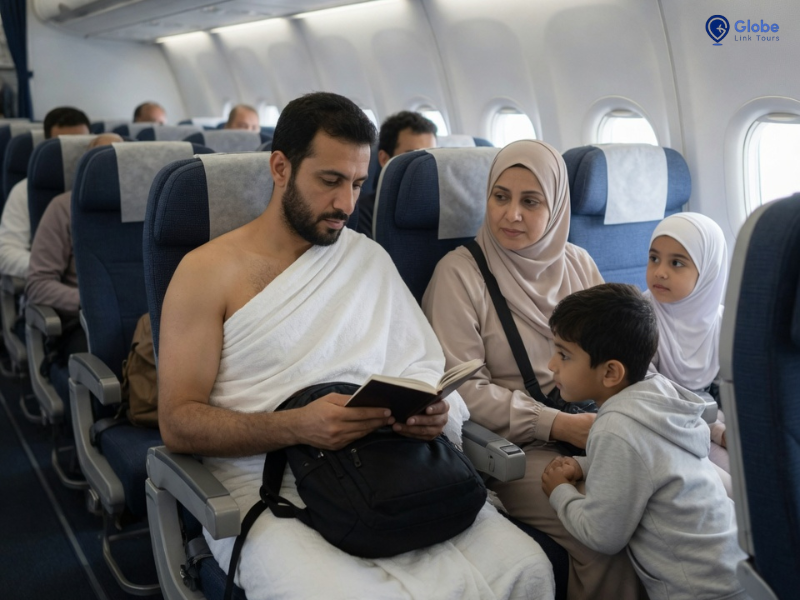
Starting Umrah brings excitement, but it can also bring uncertainty. Many first time pilgrims worry about the umrah intention dua, the correct niyyah for umrah, and the right moment to recite it. Some fear that one small mistake may affect their worship, especially when they are already preparing for an important spiritual journey.
The good news is that making the intention is not meant to be difficult. The purpose is to enter Ihram with a sincere heart and begin Umrah for the sake of Allah. Pilgrims arranging their journey can also compare different Umrah packages before deciding the travel dates, accommodation, and overall trip plan.
This guide explains the umrah intention dua, the arabic dua for umrah, the meaning in English, the ihram intention, and the words recited after making the intention. Everything is written in clear English so you can prepare with confidence.
The Meaning of Umrah Intention Dua
The umrah intention dua is the declaration that a Muslim is entering the state of Ihram with the intention of performing Umrah.
In Islam, every act of worship begins with intention. The niyyah for umrah is not only about saying certain words. It is mainly about deciding in your heart that you are performing Umrah sincerely for Allah.
Many people worry that they must pronounce every word perfectly. In reality, sincerity comes before perfect pronunciation. The spoken words support the intention already present in the heart.
Because of this, pilgrims should focus on understanding the meaning rather than becoming anxious about every letter.
The Place of Niyyah in Umrah
The niyyah for umrah marks the beginning of Ihram.
Before entering Ihram, a pilgrim prepares by bathing if possible, wearing the correct clothing, and making the intention at or before the Miqat according to the travel route.
Once the ihram intention is made, the pilgrim enters a sacred state with certain rules that should be followed until Umrah is completed.
This first step sets the spiritual direction for the whole journey.
Arabic Dua for Umrah
The commonly recited arabic dua for umrah is:
لَبَّيْكَ اللَّهُمَّ عُمْرَةً
Labbaika Allahumma Umrah
Translation:
“O Allah, here I am to perform Umrah.”
This short statement expresses the pilgrim’s intention before beginning the rites.
Many pilgrims repeat it several times while preparing to continue with the Talbiyah.
Intention for Umrah in English
Some pilgrims worry because they cannot read Arabic well.
The intention for umrah in english can be understood as:
“O Allah, I intend to perform Umrah for Your sake. Make it easy for me and accept it from me.”
Understanding the meaning helps many first time pilgrims feel calmer.
The intention itself is in the heart. Speaking in Arabic is recommended because it follows the commonly transmitted wording, but understanding the purpose remains very important.
The Right Time for Ihram Intention
The ihram intention should be made when reaching the Miqat or before crossing it, depending on the direction of travel.
Pilgrims travelling by airplane often make the intention shortly before the aircraft reaches the Miqat. Airline announcements usually help passengers prepare.
People travelling by road normally make the umrah intention dua when arriving at the Miqat.
Waiting until after passing the Miqat without a valid reason can create problems for the pilgrim. Planning ahead removes much of this stress.
Preparation Before Making the Intention
A little preparation helps many pilgrims feel more relaxed.
Wear the Ihram clothing before reaching the Miqat. Keep passports, travel papers, and personal belongings organised so nothing distracts you at the important moment.
Many pilgrims also spend a few quiet minutes remembering Allah and preparing their hearts before making the niyyah for umrah.
Good preparation often removes nervousness and allows the worship to begin peacefully.
Talbiyah After Niyyah
After making the niyyah for umrah, pilgrims begin reciting the Talbiyah.
The Talbiyah is:
لَبَّيْكَ اللَّهُمَّ لَبَّيْكَ، لَبَّيْكَ لَا شَرِيكَ لَكَ لَبَّيْكَ، إِنَّ الْحَمْدَ وَالنِّعْمَةَ لَكَ وَالْمُلْكَ، لَا شَرِيكَ لَكَ
The Talbiyah continues during the journey until reaching Masjid al Haram and beginning Tawaf.
This is why many people remember the phrase talbiyah after niyyah. The intention starts the sacred state, then the Talbiyah continues to express the pilgrim’s response to Allah’s call.
Umrah Dua Before Ihram
Many pilgrims ask whether there is a special umrah dua before ihram.
There is no single compulsory supplication that every pilgrim must recite before entering Ihram.
A Muslim may make personal dua asking Allah for acceptance, safety, ease during travel, forgiveness, and sincerity before making the ihram intention.
This gives the heart peace before starting the sacred journey.
Memorising Every Word
Many first time pilgrims become worried because they cannot memorise every Arabic sentence.
Do not let this fear become a burden.
The arabic dua for umrah is short and many people memorise it after repeating it several times. Reading from a card or phone while preparing is also common before reaching the Miqat.
Understanding the meaning often makes memorisation much easier.
Pain Many First Time Pilgrims Feel
It is normal to feel nervous before Umrah.
Some pilgrims fear saying the wrong words. Others worry about forgetting the umrah intention dua, missing the Miqat, or making pronunciation mistakes.
These feelings become stronger after hearing different advice from friends or watching many videos online.
Keeping the preparation clear and following trusted guidance usually removes much of this confusion.
A Short Step by Step Process
Preparing the intention can be organised into a calm routine.
- Prepare Ihram clothing.
- Reach the Miqat or prepare before crossing it.
- Make the niyyah for umrah sincerely.
- Recite the arabic dua for umrah.
- Begin the Talbiyah.
- Continue remembering Allah during the journey to Makkah.
Keeping these steps in order helps many first time pilgrims stay relaxed.
Travel Planning Before the Spiritual Journey
Preparing spiritually is important, but practical planning also deserves attention.
Booking flights, hotels, transport, and travel documents early reduces unnecessary stress before the pilgrimage begins.
Travellers comparing travel options may also read about the best Umrah packages for every budget while deciding which journey fits their family and travel dates.
A Real First Time Pilgrim Example
A first time pilgrim named Adam was travelling by plane with his family. He had memorised the umrah intention dua, but he became nervous when the airline announced that the plane was approaching the Miqat.
He quietly confirmed the niyyah for umrah in his heart and said, “Labbaika Allahumma Umrah.” He then began the talbiyah after niyyah with the other pilgrims.
Adam did not speak Arabic fluently, so he had already read the intention for umrah in english before the flight. Knowing the meaning gave him confidence, even though his pronunciation was not perfect.
The family kept a small card containing the arabic dua for umrah and Talbiyah. This small preparation reduced worry at an important moment of the journey.
Issues That Often Cause Trouble
Many pilgrims wait too long before preparing for the ihram intention.
A traveller may become busy with luggage, passports, children, or flight announcements. When the Miqat approaches, the person may feel rushed and forget the words they planned to recite.
Another issue is believing that the intention only counts when a long Arabic statement is spoken perfectly. The niyyah for umrah begins in the heart, while the spoken declaration expresses the rite being started.
Some pilgrims also confuse the umrah dua before ihram with the actual declaration of Umrah. Personal duas can be made before entering Ihram, but the pilgrim should still know when the sacred state begins.
The article covering Umrah errors before and during travel can support wider preparation for the rites and journey.
Crossing the Miqat Without Intention
Passing the Miqat without entering Ihram can create a serious concern for someone intending to perform Umrah.
A pilgrim should prepare early rather than waiting until the final moment. Air travellers may wear the Ihram clothing before boarding or during the flight, then make the ihram intention before crossing the Miqat.
A person who forgets should seek reliable religious guidance about their own situation. The correct response may depend on the route, circumstances, and whether the person can return to the Miqat.
It is better not to guess. Speak with a qualified religious guide who can review the exact situation clearly.
Pronunciation Anxiety
Some people repeat the arabic dua for umrah many times because they fear a small pronunciation issue.
This worry can distract them from sincerity and remembrance. A pilgrim should make a reasonable effort, speak calmly, and keep the meaning in mind.
The phrase “Labbaika Allahumma Umrah” is short. Practising it before travel can make the moment easier.
If Arabic is difficult, read the intention for umrah in english so the meaning is understood. The heart should remain focused on worship rather than fear.
Personal Dua Before Ihram
A pilgrim can make personal dua before entering Ihram.
The umrah dua before ihram may include requests for acceptance, forgiveness, safe travel, good health, patience, and protection from difficulty.
You may also pray for parents, children, relatives, and other Muslims. Personal words can be spoken in a language you understand.
This personal umrah supplication is separate from the short declaration used when entering Ihram. Both can have a place in spiritual preparation.
Intention From the Heart
The niyyah for umrah is an act of the heart.
The pilgrim has already decided to perform Umrah before reaching the Miqat. The spoken words make the intended rite clear as Ihram begins.
This means that intention is not an empty sentence. A person should know which act of worship they are beginning.
The umrah intention dua becomes more meaningful when the pilgrim knows its translation and says it with sincerity.
Talbiyah After Niyyah During the Journey
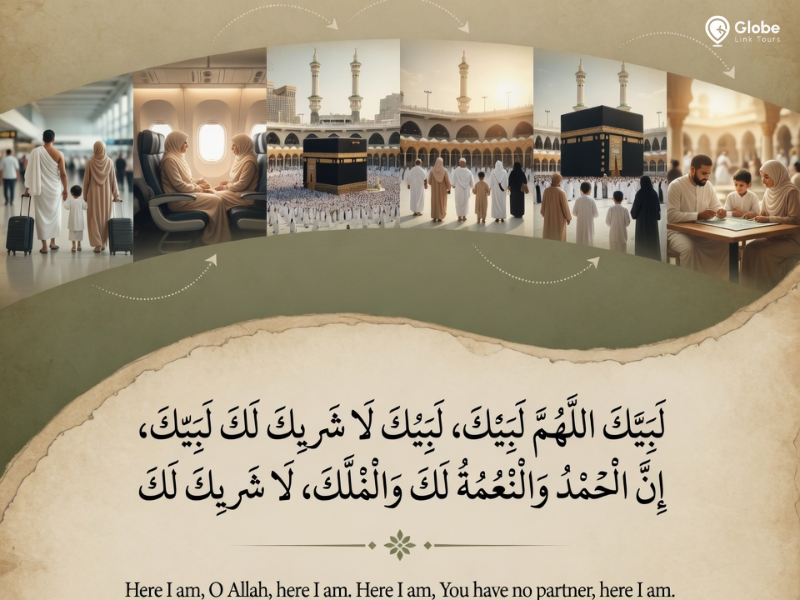
The talbiyah after niyyah should begin once the pilgrim has entered Ihram for Umrah.
Pilgrims continue reciting it as they travel toward Makkah. Men generally raise their voices without disturbing others, while women recite in a voice they can hear.
The Talbiyah is more than a travel phrase. It expresses that the pilgrim has answered the call to worship Allah.
Repeating it with attention can keep the heart connected to the purpose of the journey, even during airport movement, road travel, or waiting.
Umrah Supplication During the Rites
Pilgrims often search for a separate umrah supplication for every step.
There are remembered words and prayers connected with parts of the pilgrimage, but a person may also ask Allah for personal needs in their own language.
Long printed lists can sometimes create pressure. A pilgrim may spend more time looking at a phone or booklet than thinking about the meaning of the prayer.
Keep your umrah duas organised and easy to read. Select prayers that you understand and can recite with attention.
Umrah Duas in Arabic and English
Preparing umrah duas in both Arabic and English can support better understanding.
Arabic text allows the pilgrim to recite familiar Islamic wording. The translation explains the meaning, which can create a stronger personal connection.
Keep the text large enough to read in busy areas. A small folded card can be easier to carry than a large book.
The intention for umrah in english is particularly useful before departure because it explains the purpose behind the short Arabic declaration.
Practical Advice for Memorising the Words
Start practising the arabic dua for umrah several days before departure.
Read the Arabic text, transliteration, and meaning together. Repeating all 3 parts can make the wording easier to remember.
Practise the talbiyah after niyyah as well because it is longer than the short Umrah declaration. Listen carefully to correct pronunciation from a trusted religious teacher.
Keep a written copy with you even after memorising it. Travel tiredness can affect memory, and carrying a reference gives peace of mind.
Spiritual and Travel Preparation Together
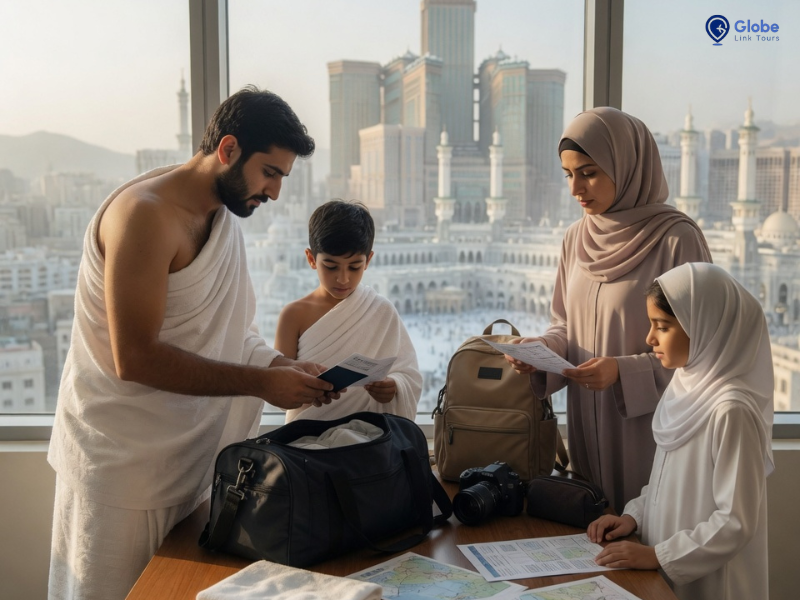
Religious preparation and travel planning should support each other.
A pilgrim may know every umrah supplication, yet still feel stressed because the visa, hotel, or transport plan is unclear. Another person may have a strong travel booking but little understanding of Ihram and the rites.
Families, couples, and older pilgrims often need different levels of support. The guide to Umrah packages for couples, families, and elderly pilgrims covers travel needs for different groups.
A balanced plan gives time for the umrah intention dua, Talbiyah, rituals, rest, and prayer without unnecessary pressure.
Hotel Location and Ihram Preparation
Hotel location can affect the first hours after arriving in Makkah.
A long transfer or difficult hotel route may leave a pilgrim tired before Tawaf. This becomes more important when the person has been in Ihram during a long flight.
The guide to selecting a hotel near the Haram can support accommodation planning before the journey.
A suitable hotel does not change the niyyah for umrah, but it can reduce physical stress after the intention has been made.
Visa Planning Before Departure
Visa arrangements should be confirmed well before the travel date.
Pilgrims need enough time to check passport details, entry conditions, booking records, and other required documents. Last minute visa stress can distract from spiritual preparation.
The guide to Umrah visa rules and travel requirements gives wider background for pilgrims preparing their records.
Travellers should also know that visa categories can differ. The comparison between a Saudi Umrah visa and tourist visa can support this review.
Current Rules Before the Journey
Travel and entry procedures can change, so pilgrims should review current information before departure.
Do not depend only on advice received during a past journey. Visa conditions, booking processes, and entry arrangements may not remain the same.
The article covering the latest Umrah rules and entry requirements can support the final travel review.
Once practical matters are settled, the pilgrim can give more attention to the ihram intention, Talbiyah, and personal umrah duas.
Planning From the United States
Pilgrims travelling from the United States usually need to manage a long flight and prepare for the Miqat while in the air.
Wearing Ihram clothing early can reduce pressure, especially when changing clothes inside a small aircraft restroom would be difficult.
People comparing travel dates may read about the right booking period for affordable Umrah packages from the USA before confirming flights.
US passport holders may also review the Umrah visa package requirements while arranging documents and travel services.
Ramadan and Off Season Preparation
The spiritual steps remain important in every season, but the travel experience can differ.
Ramadan may involve larger crowds and different daily routines. Quieter travel periods may allow more time to prepare before reaching the mosque.
The comparison of Ramadan and off season economy Umrah packages can support travellers deciding when to go.
In either period, keep the umrah dua before ihram, the short declaration, and the talbiyah after niyyah ready before reaching the Miqat.
Short and Longer Package Options
The number of nights affects the pace of the whole journey.
An affordable 5 night Umrah package may suit travellers with limited time, though the schedule can feel full after a long flight.
An affordable 10 night Umrah package gives more space for rest, worship, and travel between Makkah and Madinah.
Package length does not change the wording of the umrah intention dua. It does affect how much time the pilgrim has to rest and prepare before the rites.
Connection With the Main Package Guide
The umrah intention dua is 1 important part of a much wider journey.
Pilgrims also need to arrange flights, visas, hotels, transport, travel dates, and enough time for worship. A package that fits the budget and physical needs can reduce practical worry.
The phrase best Umrah packages for every budget used in Part 1 connects this spiritual topic with the main planning guide.
That pillar guide can support the full booking decision, while this article remains focused on the niyyah for umrah, Ihram, Talbiyah, and related prayers.
Times When Guidance May Be Needed
Religious guidance may be needed when a pilgrim passes the Miqat without intention, becomes unsure about their Ihram status, or faces an unusual travel situation.
Travel support may also be useful when flights, visas, hotels, and airport transfers need to be arranged together.
Ask for religious guidance from a qualified scholar. Ask for booking information from a reliable travel provider. Keeping these roles clear can prevent mixed or uncertain advice.
A calm explanation is far better than making a rushed decision based on a short social media post.
Official Guidance Near the Travel Date
Pilgrims should review official information shortly before leaving because travel processes may change.
The Saudi Ministry of Hajj and Umrah provides official pilgrimage guidance. Its Ihram guide states that the pilgrim declares the intended rite at the start of the Talbiyah with words such as “Labbayka Allahumma Umrah.”
The ministry’s Umrah guide also states that the intention for Umrah Ihram is made in the heart from the Miqat.
These points support the main message of this article. Prepare before the Miqat, make the intention sincerely, declare Umrah, and begin the Talbiyah.
Conclusion
The umrah intention dua marks the start of Ihram for Umrah.
The commonly used Arabic wording is “Labbaika Allahumma Umrah,” which means that the pilgrim is answering Allah’s call to perform Umrah. The niyyah for umrah begins in the heart, and the spoken declaration makes the intended rite clear.
You may read the intention for umrah in english to understand its meaning. Perfect Arabic memorisation should not become a source of fear, but preparation is still important.
Make the ihram intention before crossing the Miqat, then begin the talbiyah after niyyah. Keep personal umrah duas ready, but focus on sincerity rather than carrying a very long list.
Good spiritual and travel preparation can make the beginning of Umrah feel calmer. Review the words, prepare your Ihram, confirm the route, and keep current travel records ready before departure.
Frequently Asked Questions
Meaning of the Umrah Intention Dua
The umrah intention dua is the declaration used when entering Ihram for Umrah. The commonly recited wording is “Labbaika Allahumma Umrah.”
Correct Time for the Umrah Intention
The niyyah for umrah should be made at the Miqat or before crossing it. Air travellers should prepare before the plane reaches the Miqat.
Intention for Umrah in English
Yes, you can understand and express the intention in English. The intention is based in the heart, though the short Arabic declaration is commonly recited.
Words Recited After the Intention
Begin the Talbiyah after making the ihram intention. Continue reciting it during the journey toward Makkah.
Arabic Memorisation
Memorising every word is not meant to create fear. Practise the short wording, understand its meaning, and keep a written copy available.
Forgotten Intention at the Miqat
Seek reliable religious guidance as soon as possible. The right step may depend on your route and exact circumstances.
Personal Umrah Supplication
You may make personal dua for acceptance, forgiveness, health, safety, and family needs. Personal prayers can be spoken in a language you understand.