
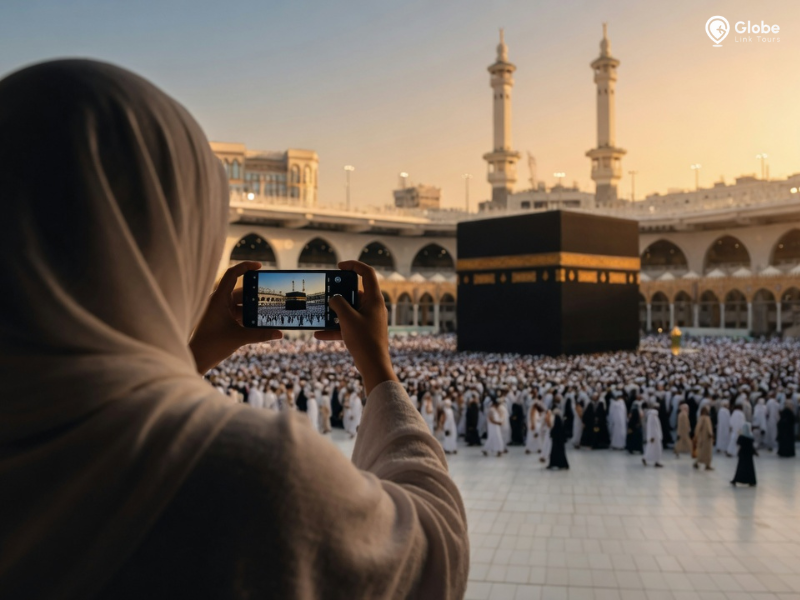
Kaaba images are powerful because they show the heart of a Muslim’s Makkah journey. Many travelers planning a longer sacred visit through a 10 night premium Umrah package often look at Holy Kaaba pictures before travel to understand the feeling of Masjid al Haram, tawaf, and the crowd around the Sacred House.
But Kaaba images should never be treated like normal travel photos. The Kaaba is a sacred place. A photo of it carries emotion, faith, and respect for millions of Muslims.
This article focuses only on Kaaba image usage. It covers travel blog use, respectful sharing, Kaaba inside images, old Kaaba images, photo safety, and image placement for content. It avoids repeating general Kaaba history because that belongs to another topic.
Kaaba Photo Usage In Travel Content
Kaaba photo usage in a travel blog is allowed when the image is used with respect, proper rights, and a correct purpose. A travel blog can use Kaaba images to guide readers, show the setting of Umrah, explain crowd flow, or support Makkah travel planning.
But the image should not be used in a careless way. Avoid comedy edits, dramatic filters, fake claims, or sales graphics that make the Kaaba look like a product background.
A good Kaaba image in a travel article should feel calm. It should support the reader’s understanding. It should not distract from the sacred meaning.
For example, a blog about prayer timing can use a respectful Masjid al Haram image to show the prayer setting. If your readers are planning Makkah and Madinah together, a guide like salah time in Madinah can sit naturally with visual content about worship timing and crowd movement.
Respectful Style For Holy Kaaba Pictures
Holy Kaaba pictures should be clean, respectful, and honest. The best images are usually wide views, tawaf scenes, mosque views, or calm close views of the Kaaba without disrespectful editing.
A respectful Kaaba image usually has these points:
The Kaaba is shown with dignity
People are not mocked or exposed
The photo is not used for jokes
The image is not heavily edited in strange colors
The caption is calm and correct
The image rights are checked before use
The photo does not make false claims
This matters because readers can feel the tone of a page. If the image looks cheap, careless, or over edited, the article may lose trust.
Kaaba images should support reverence. They should not turn worship into decoration only.
Kaaba Images In Blogs, Guides, And Social Posts
Travel blogs, Umrah guides, and social posts can use Kaaba images in many safe ways.
A blog can use a Kaaba image in the intro to set the topic. A guide can use an image near a section about tawaf, prayer timing, or hotel distance. A social post can use a calm Kaaba photo with a short travel note, dua reminder, or preparation tip.
But every platform has a different feeling. A blog article can carry more detail. A social post should be shorter and more careful because images spread fast.
Do not place Kaaba images beside jokes, unrelated ads, loud discount banners, or low quality graphics. This can feel disrespectful to Muslim readers.
If the content is connected with a short Umrah stay, a 5 night premium Umrah package can be mentioned in a calm way, but the Kaaba image should still remain sacred in tone. The service should not overpower the respect of the image.
Interior Kaaba Images And Public Access Limits
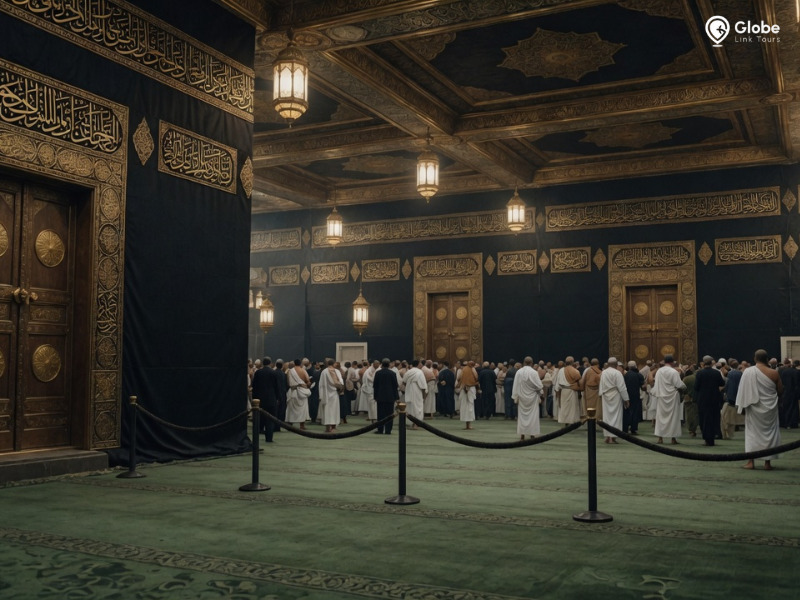
Kaaba inside images are not like normal tourist photos. The inside of the Kaaba is not open for public visits. Entry is limited to special official moments and selected people.
This means interior Kaaba images should be handled with extra care. Some images online may be old, low quality, taken from video, copied without context, or shared without permission. Some may also be wrongly labeled.
If a travel blog discusses Kaaba inside images, it should avoid strong claims unless the source is safe. It should say that public access is restricted and that interior images are limited.
This is also a good place to be honest with readers. Many people feel curious about the inside of the Kaaba. That curiosity is natural. But respect is more important than curiosity.
Use interior images only when rights are allowed and the source is reliable. If not, a clean diagram or text description is often a better option.
Old Kaaba Images And Safe Source Reading
Old Kaaba images can be very interesting. They may show older views of Masjid al Haram, historic Mecca illustration, old city layouts, or early photo records.
But old images need context. A photo or drawing may look powerful, but it needs a date, source, and proper note. Without that, the image can mislead readers.
Some old Kaaba images are part of museum records. Some are in library collections. Some are in travel books or manuscripts. These are safer than random posts with no details.
If your article discusses old Kaaba images, mention the image type. Is it a photo, painting, map, manuscript page, tile, or print? This small detail makes the article stronger.
For Madinah related travel planning, readers may also move from Makkah image research into hotel and stay planning. A guide like Saja Al Madinah Hotel can support that wider trip planning without mixing all links in 1 place.
Step By Step Image Usage Checklist
1. Confirm The Image Purpose
Use the Kaaba image only when it adds value to the article. Do not add it just to fill space.
2. Check Image Rights
Make sure the image is free to use, licensed, owned, or properly sourced. Do not copy random photos from social media.
3. Keep The Caption Respectful
The caption should be calm and true. Avoid dramatic claims and emotional overstatement.
4. Avoid Heavy Editing
Do not add strange effects, bright neon colors, joke text, or unrelated graphics over the Kaaba.
5. Respect People In The Photo
Pilgrims may appear in the image. Avoid close face shots unless permission and rights are clear.
6. Place The Image Near Related Text
A tawaf image should sit near tawaf or Makkah visit notes. A mosque view should sit near travel planning or prayer timing notes.
7. Review The Final Page Feeling
Before publishing, look at the page as a Muslim reader. If anything feels cheap, loud, or careless, change it.
Real Travel Blog Example
Imagine a travel blog page about Umrah preparation. The writer wants to add Kaaba images. The first image is a wide view of Masjid al Haram. It appears near the opening paragraph and gives the reader a calm feeling.
The second image is a tawaf crowd view. It appears near a section about timing and crowd care. The third image is not an interior photo because the source is unclear. Instead, the writer uses a clean diagram with a note that public entry is limited.
This is a good content decision. The article still gives value, but it does not risk sharing a weak or wrongly labeled image.
Now imagine another blog using a low quality Kaaba image with big sale text across it. The image may get attention, but it can hurt trust. Readers may feel that the sacred place is being used too strongly for promotion.
Respectful content does not need to shout. It should guide with care.
Image Sharing Errors That Hurt Respect
Using Kaaba Images As A Cheap Sales Banner
Kaaba images should not be used like a product poster. Travel services can be mentioned, but the sacred image should stay dignified.
Posting Without Checking Rights
A beautiful image is not automatically free to use. Always check rights before using it in a blog, ad, or social post.
Sharing Interior Images Without Source
Kaaba inside images need extra care. If the source is unclear, avoid using the image.
Adding Wrong Captions
A wrong caption can mislead readers. Do not label an old image as “first Kaaba photo” or “inside Kaaba” unless the source proves it.
Editing Pilgrims In A Disrespectful Way
Avoid cropping, zooming, or editing people in a way that feels rude. Worshippers deserve privacy and respect.
Mixing Sacred Images With Random Content
Do not place Kaaba images beside unrelated jokes, gossip, or low quality ads. Page context matters.
Practical Notes For Better Image Use
Use fewer images, but use better ones. A respectful article with 3 strong images is better than a page full of random photos.
Use natural captions. Short captions usually work best.
For old Kaaba images, add a date if known. If the date is not known, say so. It is better to be honest than sound too sure.
For Kaaba inside images, avoid using any image without a trusted source. A respectful diagram can often do the job better.
For travel blogs, connect images with real traveler needs. Show crowd levels, mosque setting, hotel area context, prayer timing, or movement planning.
If your reader also wants city context after Makkah, a guide about Al Madinah location can support the next stage of their journey in a natural way.
Kaaba Image Planning For Umrah Travelers
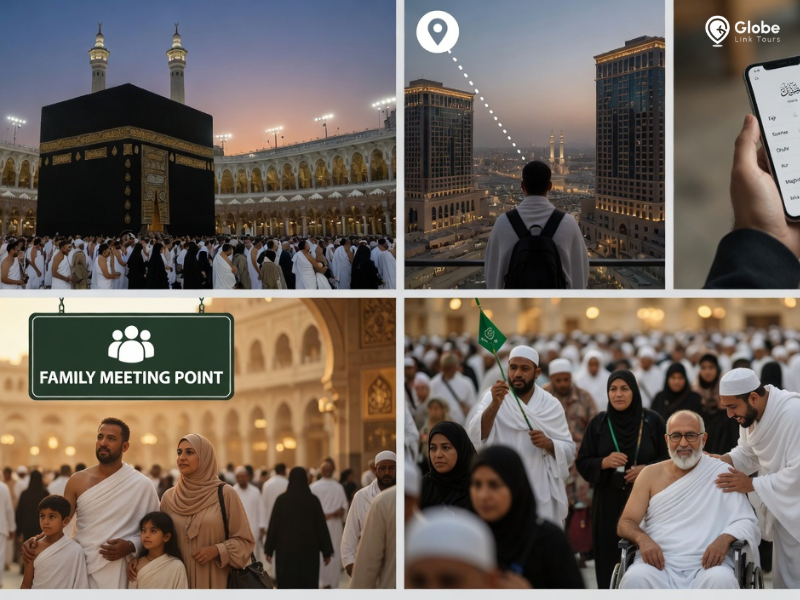
Kaaba images can help travelers prepare emotionally and mentally for Umrah. A first time pilgrim may see crowd photos and understand that patience will be needed. A family may see mosque views and plan meeting points. An elderly traveler may understand that walking distance and timing matter.
But images should not replace real preparation.
A good Umrah plan should include:
Makkah hotel distance
Prayer timing
Tawaf timing
Crowd awareness
Family meeting point
Elderly support
Madinah transfer
Rest between worship
For travelers who want more time for worship and rest, a 7 night premium Umrah package can give better pacing than a rushed short plan.
Kaaba images can bring emotion. A proper travel plan can protect that emotion from stress.
Travel Support With Better Visual Planning
Some travelers only see beautiful Kaaba pictures before travel and think the trip will be easy. Then they reach Makkah and face crowds, long walks, heat, hotel distance, and timing pressure. This can feel hard, especially for first time pilgrims.
Globe Link Tours supports travelers with Umrah packages, visa assistance, flight booking, hotels, and travel notes. The goal is to make the journey clear before departure, so pilgrims can focus more on worship after reaching Saudi Arabia.
Visual planning can also be part of that support. Images of hotel areas, mosque surroundings, train stations, and prayer spaces can prepare the traveler in a better way.
Near the final stage of content work, historical and old Kaaba images should be checked through safer places when possible. The British Museum collection is one example of a catalogued museum record space that can support safer review of historical objects and visual material.
Summary
Kaaba images can be used in travel blogs, guides, and social posts when they are shared with respect, proper rights, and correct context. The Kaaba is not a normal travel landmark, so the image tone must stay calm and dignified.
Holy Kaaba pictures should avoid careless editing, false captions, loud sales text, and disrespectful placement. Kaaba photo usage should support worship guidance, travel preparation, or sacred context.
Kaaba inside images need extra care because the interior is not open to the public and many online images may lack proper source details. Old Kaaba images are valuable, but they should be checked through museum, library, or trusted collection records.
The best Kaaba image is not only beautiful. It is respectful, accurate, and placed in the right part of the article.
FAQs
Kaaba Images In Travel Blogs
Yes, Kaaba images can be used in travel blogs when image rights are clear and the tone stays respectful.
Respectful Kaaba Image Style
A respectful image is clean, calm, correctly captioned, and not used for jokes or loud sales graphics.
Kaaba Inside Images Availability
Some interior images exist, but public access to the inside is restricted. Use only trusted sources and avoid weak claims.
Old Kaaba Images In Articles
Old Kaaba images can be used if the source, date, and context are checked. Museum and library records are better than random posts.
Kaaba Photo Usage For Social Media
Use calm captions, avoid heavy edits, and do not place the image beside disrespectful or unrelated content.