
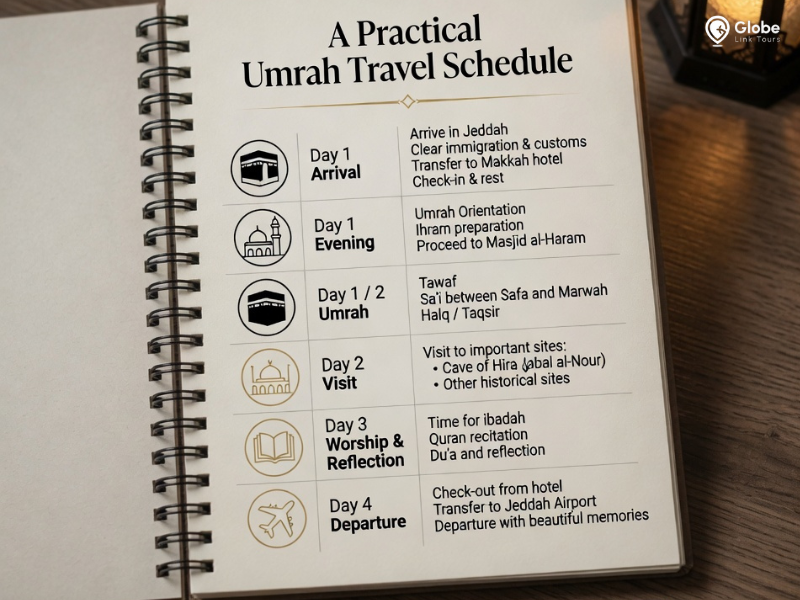
Many pilgrims ask how long for Umrah because they need to arrange flights, hotel nights, leave from work, and family responsibilities. The rituals may be completed within several hours, but the full journey normally needs more time for arrival, rest, prayer, and unexpected delays. Travellers wanting a comfortable extended plan can review a luxury Umrah package for 10 nights while deciding the right number of days for Makkah and any stay in Madinah.
There is no single Umrah duration that suits every pilgrim. A healthy adult travelling during a quieter period may complete the main rites faster than a family with children or an older person who needs regular breaks. Crowds, weather, hotel distance, transport, and personal health can all affect the time required for Umrah.
This is the part that often causes confusion. Some people talk about the hours needed for the rituals, while others are talking about the complete Umrah trip length. These are 2 different things, and both must be planned with care.
Ritual Time and Total Trip Time
The time required for Umrah rituals is only 1 part of the full journey.
Your total Umrah trip length may include international flights, airport formalities, travel to Makkah, hotel check in, sleep, meals, prayers, and recovery from the journey. It may also include a stay in Madinah.
A pilgrim can complete the rites in 1 day but still need several days for a calm and meaningful trip. This is especially true after a long international flight.
When asking how long for Umrah, first decide whether you mean the ritual period, the Makkah stay for Umrah, or the full travel schedule.
Time Needed Before Starting the Rituals
The Umrah travel schedule begins before you reach Masjid al Haram.
Pilgrims need to enter Ihram at the proper point, make their intention, and prepare themselves for the rites. Travellers arriving by air may enter Ihram before passing the Miqat, depending on their route and travel arrangement.
After reaching Makkah, some pilgrims go directly to the mosque. Others need food, rest, a shower, or time to settle into the hotel first.
There is no benefit in starting while you are extremely tired or unwell. A short rest can support better focus and safer movement during Tawaf and Sa’i.
Tawaf Time Around the Kaaba
Tawaf involves completing 7 rounds around the Kaaba.
The time needed depends strongly on crowd levels and the area used for Tawaf. A pilgrim moving close to the Kaaba may face heavier crowd pressure, while another level or wider route may involve more walking.
Healthy adults may move steadily, but families and older pilgrims often need a slower pace. Wheelchair users may also follow a different route and require more time.
Do not build an Umrah travel schedule around a very narrow Tawaf estimate. Leave room for entering the mosque, reaching the Tawaf area, prayer, Zamzam, and short pauses.
Sa’i Time Between Safa and Marwa
Sa’i involves travelling 7 times between Safa and Marwa, beginning at Safa and ending at Marwa.
The route is indoors, but it still requires a fair amount of walking. Tiredness may feel stronger after Tawaf, especially for a person who has just completed a long flight.
A healthy pilgrim may complete Sa’i at a steady pace. Older visitors, children, and people using mobility support may need longer.
When estimating how many hours for Umrah, include the movement between Tawaf and Sa’i as well. The transition itself can take time during crowded periods.
Hair Cutting After Sa’i
The final stage includes shaving or shortening the hair according to the requirements that apply to the pilgrim.
This stage may take only a short period, but waiting for access to a suitable service can add time. Families should agree on a meeting point before separating for this part.
Do not count the Umrah as finished merely because Sa’i has ended. The final hair cutting step must also be included in the time required for Umrah.
Keeping this last stage inside your schedule prevents confusion when transport or hotel plans have been arranged too early.
Minimum Time for Umrah
The minimum time for Umrah depends on arrival timing, crowd conditions, physical ability, and readiness.
The rites may be completed during a single visit to Masjid al Haram. However, this does not mean every pilgrim should plan the entire journey around the shortest possible period.
A rushed plan can become difficult after a delayed flight, lost luggage, traffic, hotel check in issues, or physical tiredness. Even a small delay can affect a tight schedule.
The safer approach is to leave enough room before and after the rituals. The goal is worship, not finishing faster than other people.
Umrah Within a Single Day
Yes, Umrah can be completed in a single day when the pilgrim is already in or near Makkah and has enough physical strength.
A same day plan may suit a person travelling from another Saudi city or arriving with a well arranged schedule. It becomes harder when international flights and airport transfers are included.
The person still needs time for Ihram, transport, Tawaf, Sa’i, hair cutting, prayer, meals, and rest. Crowds can also extend the day without warning.
A single day may cover the rites, but it does not offer much space for delays or recovery.
A Weekend Umrah Plan
A weekend may be enough for some nearby travellers, but it can feel extremely tight for international pilgrims.
Much of the weekend may be used by flights, airport checks, road travel, and hotel movement. A delay on the first flight can reduce the available Makkah stay for Umrah.
Travellers coming from far away should also consider jet lag and physical tiredness. Completing Tawaf and Sa’i after a long journey can be harder than expected.
A weekend plan should only be used when every stage has enough time and the pilgrim is comfortable with a fast schedule.
First Time Umrah Duration
The first time Umrah duration should usually include more breathing room than a repeat visit.
A first time pilgrim may need extra time to enter the mosque, understand the route, stay with the group, and move between the ritual areas. New surroundings can feel confusing, even after strong preparation.
A longer Makkah stay for Umrah also allows the pilgrim to rest before the rites rather than going directly from the airport. This can improve comfort and focus.
First time visitors may use a 5 night luxury Umrah plan as 1 comparison point while reviewing their travel dates and expected pace.
Makkah Stay for Umrah
A Makkah stay for Umrah should cover more than the ritual hours.
Pilgrims normally want time for prayers at Masjid al Haram, personal worship, sleep, meals, and recovery. A stay that is too short may turn the journey into a race between the airport, hotel, mosque, and return flight.
The right number of nights depends on travel distance and personal needs. Someone arriving from a nearby city may need less time than a family coming from overseas.
Your Makkah stay for Umrah should also account for hotel location. A distant hotel can add daily transport and waiting time.
A 5 Night Umrah Trip Length
A 5 night Umrah trip length may suit travellers with limited leave from work or a smaller travel window.
It can provide time for arrival, the rites, worship, and some rest when the flights and hotel are arranged well. Still, the schedule may feel full if both Makkah and Madinah are included.
Families should avoid filling every day with transport and religious visits. Children and older relatives may need more recovery time than expected.
A premium Umrah package for 5 nights can be reviewed when comparing a short organised journey with other package lengths.
A 7 Night Travel Plan
A 7 night trip gives many pilgrims more flexibility than a very short visit.
It may allow a calmer arrival, more prayer time, a balanced Makkah stay for Umrah, and space for travel between cities. A first time Umrah duration of around this length can feel easier to manage.
The actual split between Makkah and Madinah should match the traveller’s priorities. Road or rail movement, hotel changes, and luggage handling also need time.
The 7 day Umrah itinerary gives a fuller example of arranging the days without placing every activity into a tight period.
A 10 Night Umrah Travel Schedule
A 10 night journey provides more room for worship, rest, and travel between Makkah and Madinah.
This length may suit first time pilgrims, families, and older travellers who do not want to change cities too quickly. It can also absorb minor flight or transport delays more easily.
A longer journey costs more because it adds hotel nights, meals, and daily spending. The added time should therefore be used with a clear but calm plan.
Travellers comparing comfort levels may review a premium Umrah package for 10 nights alongside shorter package options.
Family Umrah Duration
The ideal Umrah duration for a family is often longer than the minimum time for Umrah.
Children may need meals, restroom stops, sleep, and quiet time. Elderly relatives may need wheelchairs, slower walking, medicine, or longer recovery after Tawaf and Sa’i.
Parents should not use the pace of a healthy solo traveller as the base for the family schedule. The family moves at the speed of the person needing the most support.
A longer Umrah trip length can reduce arguments, tiredness, and worry. It gives the family room to pause without feeling that the whole plan has failed.
Older Pilgrims and Mobility Needs
Older pilgrims may complete every rite, but the schedule should respect their energy and health.
Tawaf and Sa’i involve movement over a meaningful distance. Reaching the ritual areas, waiting for lifts, and moving through crowds can add further physical pressure.
Plan seating breaks, meals, medicine times, and mobility support before the day begins. Keep the hotel route and transport point clear.
The time required for Umrah may be longer, and that is completely acceptable. A steady and safe pace matters more than a fast finish.
Hotel Distance and Ritual Timing
Hotel location affects the Umrah travel schedule more than many first time pilgrims expect.
A hotel described as being in Makkah may still require a shuttle or a long walk to Masjid al Haram. Waiting for transport can add time before and after the rituals.
A nearby hotel may reduce daily effort, mainly for families and older visitors. Travellers can read about the location and facilities of Marriott Makkah Saudi Arabia while comparing hotel needs.
Room access also matters. Lift waiting times, large lobbies, and crowded entrances can affect the real journey between the room and the mosque.
Hotel Options and Length of Stay
The hotel should fit the planned Umrah trip length, not only the available price.
A short stay may require easier access to the mosque because there is little time for repeated transport. A longer stay may give more flexibility, though daily travel can still become tiring.
The guide to Nasamat Makkah Hotel rooms and location can support a comparison of accommodation details during trip planning.
Travellers may also review Makkah Marriott Hotel in Mecca when looking at room types, facilities, and location factors.
Crowds and the Time Required for Umrah
Crowd levels can change how many hours for Umrah are needed.
Tawaf movement may slow, entry routes may become busy, and families can take longer to stay together. Sa’i can also require more patience during popular travel periods.
The best time to perform Umrah can be reviewed when comparing seasons, weather, crowd levels, and travel costs.
Even during a quieter period, do not expect an empty mosque. Keep extra time in the plan and stay calm when movement slows.
Ramadan and Umrah Duration
Ramadan can bring a deeply meaningful atmosphere, but it may also affect the time required for Umrah.
Crowds, prayer periods, fasting, Iftar, and evening movement can change the pace of the day. A ritual plan that looks short on paper may take much longer in practice.
The guide to Makkah during Ramadan covers planning, crowds, travel costs, and daily timing during the holy month.
Pilgrims should protect their energy and avoid placing too many activities around the rites. Rest becomes a serious part of the schedule.
Packing and Time Management
Poor packing can slow the journey before the rites even begin.
A missing Ihram item, unsuitable shoes, medicine left in checked luggage, or an unorganised travel bag can create stress at the airport or hotel. Families may lose valuable time searching through several suitcases.
The Umrah packing list for every season can support a more organised departure and reduce small delays.
Keep ritual items, documents, medicine, and basic personal needs in an easy to reach bag. This makes the first day much calmer.
A Practical Umrah Travel Schedule
A balanced Umrah travel schedule should include arrival time, hotel check in, rest, rituals, prayer, meals, and recovery.
Avoid placing Tawaf and Sa’i immediately after a long international flight unless the pilgrim feels physically ready. A short rest can make the rites calmer and safer.
A practical schedule may look like this:
- Arrive in Saudi Arabia
- Complete airport checks and collect luggage
- Travel to Makkah
- Check into the hotel
- Rest, eat, and prepare
- Enter Masjid al Haram
- Complete Tawaf
- Pray and drink Zamzam
- Complete Sa’i
- Cut or shave the hair
- Return to the hotel for rest
This order gives the traveller a clear path without placing too much pressure on the first few hours.
Time Gaps Between Major Activities
Small time gaps can protect the whole Umrah travel schedule.
A flight may arrive late. Road traffic may slow the journey to Makkah. Hotel rooms may not be ready immediately, and the mosque entrance may feel busier than expected.
Add extra time between arrival, check in, meals, and the rituals. A schedule with no spare time can create worry after even a small delay.
The minimum time for Umrah should never be treated as the safest amount of time. A little breathing room can make a large difference.
A Real Family Timing Example
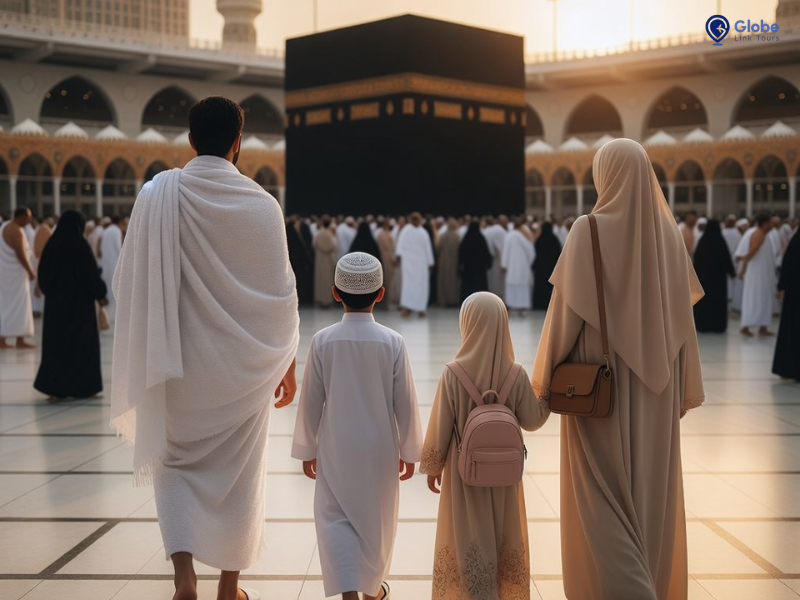
A family of 5 travelled for their first Umrah with 2 children and an older parent.
They planned to reach Makkah in the afternoon and complete Umrah that same evening. Their flight arrived late, luggage collection took longer, and road traffic added more delay.
By the time they reached the hotel, the children were hungry and the older parent needed medicine and rest. The family decided not to rush toward the mosque.
They slept for a few hours, ate properly, and started the rites the next morning. Their first time Umrah duration became slightly longer than planned, but the worship felt calmer and the family stayed together without panic.
Problems With a Very Short Trip
A very short Umrah trip length leaves little room for travel problems.
Flight delays, baggage issues, illness, hotel check in, and road traffic can quickly affect the plan. Missing even a few hours may create pressure when the return flight is already close.
Short trips can also reduce time for prayer and rest in Makkah. The pilgrim may spend most of the journey moving between airports, roads, hotels, and the mosque.
A short journey may still work for some travellers, but it should be organised with realistic timing and strong physical readiness.
Weekend Travel From Overseas
A weekend trip from another country can be difficult because international travel uses much of the available time.
The pilgrim may spend several hours flying, waiting at airports, collecting luggage, and reaching Makkah. The return journey begins soon after the rites are completed.
This can create physical pressure and very little recovery time. It may also leave no room for a flight delay or change in the Umrah travel schedule.
Travellers coming from far away should normally compare the full door to door journey, not only the number of hotel nights.
Extra Days for First Time Pilgrims
A first time Umrah duration should include time to become familiar with the hotel, mosque entrances, meeting points, and ritual route.
New pilgrims may move more slowly because they are checking each stage carefully. They may also need guidance from family members or a group leader.
Extra days allow time for rest and worship without making every hour feel controlled. This can reduce fear, mainly for people who have never travelled internationally before.
The right Umrah duration is not about staying as long as possible. It is about having enough time to perform the rites with calm attention.
Makkah and Madinah in the Same Journey
Many pilgrims want to include both Makkah and Madinah in the same trip.
Travel between the cities needs time for hotel check out, luggage, transport, arrival, and another hotel check in. Even when the journey itself is organised well, most of the travel day may be affected.
A 5 night schedule can feel tight when both cities are included. A 7 or 10 night Umrah trip length normally gives more space for prayer and rest.
A 7 night luxury Umrah package may be reviewed when comparing a balanced stay across both cities.
Makkah Visits Beyond the Main Rituals
Some pilgrims want to visit religious and historical places around Makkah after completing Umrah.
These visits should come after the main rites and proper rest. Adding them before Umrah may use energy needed for Tawaf and Sa’i.
The history and location of Masjid e Jin may be read before adding the mosque to a wider Makkah route.
Keep such visits optional. The main purpose of the journey should remain clear, and family health should guide the final plan.
Daily Rest During the Makkah Stay
Rest is part of a responsible Makkah stay for Umrah.
Long walking periods, crowded areas, changing sleep times, and warm weather may make the body feel tired faster than expected. Children and older relatives can need more breaks.
Do not fill every free hour with shopping, transport, or visits. Keep some periods open for sleep, meals, personal worship, and quiet time.
A calm Makkah stay for Umrah often feels more meaningful than a packed schedule with no room to pause.
Health and Energy Planning
Physical ability affects how many hours for Umrah may be needed.
A person with joint pain, breathing difficulty, recent illness, or low stamina may require a slower pace. Medicine times and meal needs should also be included in the schedule.
Wheelchair support may reduce some physical effort, but waiting, lift access, and route changes can still add time. Families should discuss these needs before entering the mosque.
Nobody should feel embarrassed about moving slowly. The time required for Umrah is personal, and safety should remain a priority.
Errors That Often Affect Timing
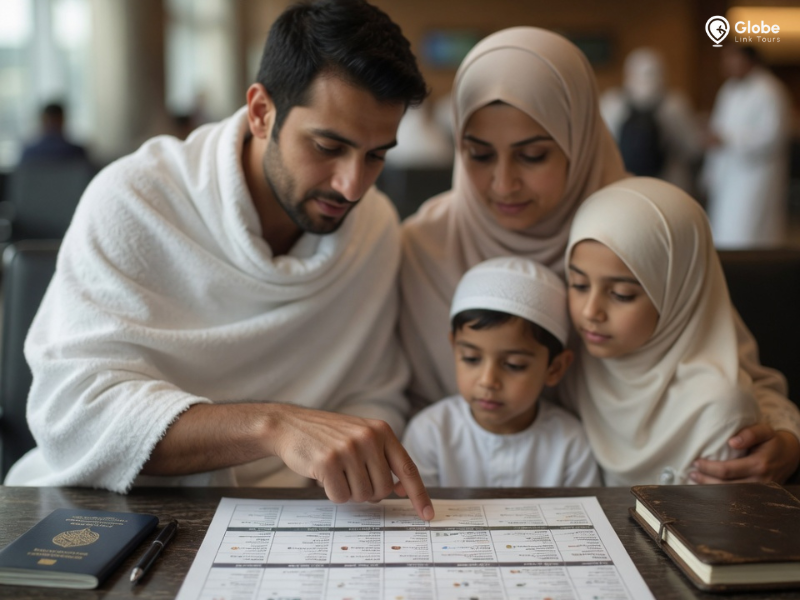
One frequent error is counting only the ritual hours and ignoring the rest of the journey.
Another problem is planning Tawaf immediately after arrival without considering flight tiredness. Some pilgrims also forget the time needed for hotel check in, meals, transport, and hair cutting.
Families may create a schedule based on the fastest adult traveller. This can place unfair pressure on children or older relatives.
A realistic Umrah duration includes delays and rest. It should not depend on every part of the journey happening at the exact planned minute.
Better Timing Practices
Start with the full trip length, then place the rituals inside it.
Keep the first day lighter after a long flight. Check hotel distance and transport before fixing a ritual time.
Give families more time than solo travellers. Keep at least 1 open period in the schedule for delays, tiredness, or an unplanned need.
Review the guide covering the number of days needed for Umrah when comparing short, medium, and longer travel plans. This gives the wider pillar view beyond the ritual hours alone.
The Bigger Umrah Planning Picture
The question how long for Umrah is connected with the wider trip plan.
Flights, visa arrangements, hotel nights, transport, luggage, health, and family needs all affect the final answer. The ritual hours cannot be separated from these practical details.
A strong plan starts with the traveller’s real situation. A solo adult, a family with children, and an older couple may need very different schedules.
The wider pillar guide supports this decision by comparing trip lengths rather than focusing only on Tawaf and Sa’i.
Times When Travel Support Can Reduce Stress
Travel support may be useful when several services must fit into a short period.
A travel provider can arrange flights, hotels, transfers, and package nights in 1 connected plan. This may reduce gaps between airport arrival, hotel check in, and travel between Makkah and Madinah.
Support can also matter for families needing larger rooms, private transport, or a slower schedule. These needs should be shared before payment.
The service should make the timing clear and realistic. It should not promise an extremely fast trip without considering the traveller’s health and travel distance.
Official Information Before Departure
Pilgrims should check current official guidance near the travel date because procedures and travel arrangements may change.
The Saudi Ministry of Hajj and Umrah is the government body connected with Hajj and Umrah administration in Saudi Arabia. Official travel and permit details should be checked through the relevant current channels before departure.
Do not depend only on an old screenshot, forwarded message, or past traveller’s schedule. A previous journey may have followed different arrangements.
Keep passports, bookings, hotel records, and travel times together so the full Umrah travel schedule remains easy to review.
Conclusion
The answer to how long for Umrah depends on whether you mean the rituals or the full journey.
Tawaf, Sa’i, and hair cutting may be completed within several hours, but the full Umrah duration should include travel, hotel check in, meals, rest, prayer, and delays. A same day visit may suit some nearby travellers, while international pilgrims usually need more time.
A first time Umrah duration should have extra room for new surroundings and a slower pace. Families and older pilgrims may also need a longer Makkah stay for Umrah.
Build the Umrah trip length around real needs rather than the shortest possible estimate. A calm schedule protects energy, reduces worry, and allows the pilgrim to focus more fully on worship.
Frequently Asked Questions
How Long for Umrah Rituals?
The main rituals may take several hours. Crowd levels, walking pace, health, and waiting time can make the process shorter or longer.
Can Umrah Be Completed in a Single Day?
Yes, the rites can be completed in 1 day. International travel, airport movement, and hotel needs may still require a longer trip.
Time Needed for Tawaf and Sa’i
Both rituals may take several hours together. Busy periods, mobility needs, and movement between areas can add more time.
First Time Makkah Stay
First time pilgrims often benefit from several days in Makkah. This allows time for rest, worship, and a calmer ritual plan.
Is a Weekend Enough for Umrah?
A weekend may suit nearby travellers. It can feel too tight for people coming from overseas because flights and transfers use much of the time.
Ideal Family Umrah Duration
Families often need 5 to 10 nights, depending on travel distance, children, older relatives, and whether Madinah is included.
Minimum Time for Umrah
The rites may be completed within a day, but the minimum practical trip length depends on arrival timing, rest, health, and transport.
Makkah and Madinah Trip Length
A 7 to 10 night journey often gives more room for both cities. Shorter trips may require a much tighter schedule.