
A trip through hail province saudi arabia can add history, desert scenery, mountain views, and traditional towns to a wider Saudi journey. Travelers connecting Hail with an Umrah trip should first protect their main Makkah and Madinah days through a clear plan, such as a 7 night luxury Umrah package, before adding another region.
Many people know Hail City but are less familiar with the wider province. They may search for hail province attractions, places to visit in hail region, or the best route between heritage sites. The distance between locations can also feel confusing when Jubbah, mountain areas, city landmarks, and desert scenery are placed in 1 plan.
The hail region saudi arabia offers more than 1 type of visit. Its identity connects ancient rock carvings, historic buildings, the Aja and Salma ranges, and the northern edge of the great Nafud desert. Careful timing matters because these locations are spread across the province.
Is Hail Province Saudi Arabia Worth Adding to a Trip?
Hail province saudi arabia is known for its combination of heritage and natural landscapes. Hail City is the administrative capital, while the wider province includes desert land to the north and the Shammar mountain area in its central part.
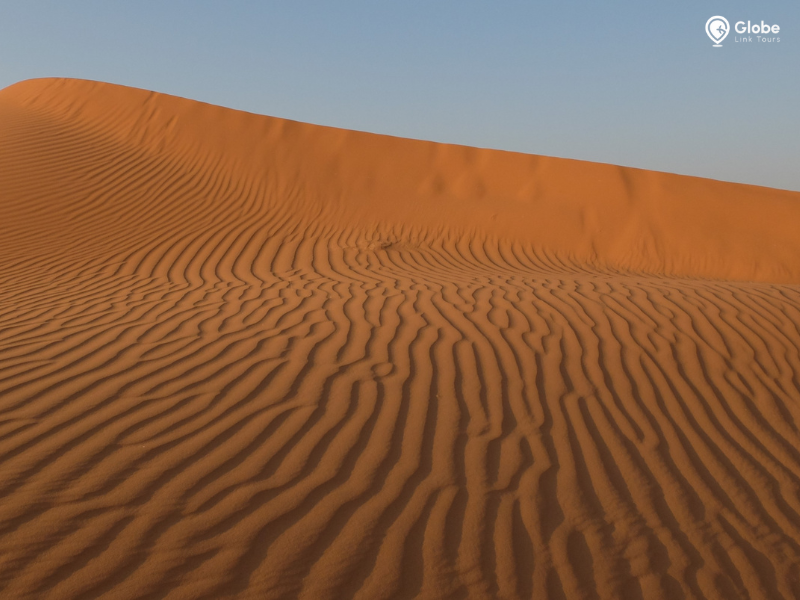
The province is strongly connected with the Aja and Salma ranges. These hail mountains shape the view around the capital and form an important part of the area’s natural identity. The northern land reaches into Al Nafud Al Kabir, which is known for broad red sand formations.
The main hail province attractions suit travelers interested in archaeology, local history, desert scenery, and traditional architecture. It is not a destination that should be rushed into a few spare hours. A proper route gives each site enough attention.
Which Cities and Towns Shape the Province?
Hail City is the capital and the main urban base for many visitors. The province also contains 8 governorates: Baqaa, Al Ghazalah, Al Shinan, Al Sulaimi, Al Hait, Sumaira, Al Shamli, and Mawqaq.
Jubbah is one of the most recognised heritage communities in the hail region saudi arabia because of its ancient carvings. Shuwaymis is also important because it forms the second part of the UNESCO listed rock art property.
These locations show that hail province tourism reaches far beyond the capital. Hail City can serve as the main base, but a full province plan may involve travel to smaller towns, desert areas, and archaeological sites.
Travelers should write each place on a map before setting the hotel nights. This gives a more realistic picture of the route and reduces repeated driving.
Jubbah Rock Art and the Ancient Landscape
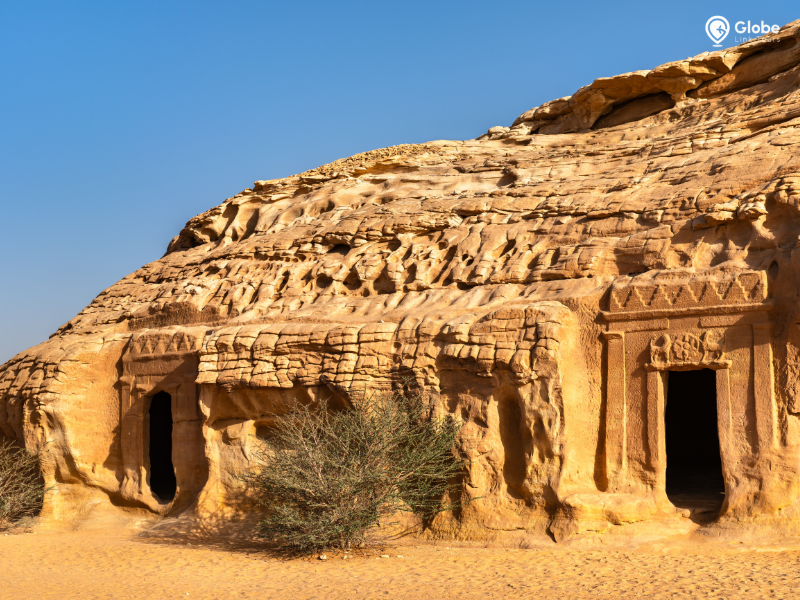
Jubbah rock art is one of the strongest reasons to visit the province. The carvings are found around Jabal Umm Sinman near Jubbah and form part of the UNESCO World Heritage property called Rock Art in the Hail Region of Saudi Arabia.
The UNESCO property also includes Jabal Al Manjor and Jabal Raat near Shuwaymis. These sites hold large numbers of human and animal figures carved into rock surfaces over long periods of history.
Jubbah rock art is not a small city display that can be viewed without planning. Jubbah lies around 90 kilometres northwest of Hail City, while the Shuwaymis component is much farther south. This distance is important when building a realistic heritage route.
Visitors interested in places to visit in hail region should give the Jubbah visit its own clear time block. A rushed stop may leave little time for the visitor centre, the carvings, and the surrounding landscape.
A'arif Fort and Hail City Heritage
A’arif Fort stands on raised ground overlooking Hail City. Its position gives visitors a wide city and desert view, while its traditional form reflects the region’s defensive and architectural past.
The fort can sit inside a city heritage day with other historic locations. Visit Saudi includes A’arif Fort, Al Qishlah Palace, and other cultural sites among the major places connected with Hail’s identity.
A city day built around A’arif Fort can be easier than a long desert route. It suits travelers who want heritage without spending the whole day moving between distant towns.
Among the main hail province attractions, the fort also gives useful visual context. From its elevated setting, the traveler can see how Hail City sits beside rocky land and the wider mountain environment.
Hail Mountains and the Nafud Desert

The Aja and Salma ranges are the best known hail mountains. They form part of a large rocky area around Hail and add a different character to the province from the open sand farther north.
Travelers using the search phrase nafud desert hail are often looking for the desert area north of the city and near Jubbah. The great Nafud is known for red sand and large dune formations across northern Saudi Arabia.
The hail mountains and desert should not be treated as the same type of outing. Mountain routes, open sand, heritage carvings, and city forts can require different timing and preparation.
A nafud desert hail plan should include a confirmed route, suitable transport, weather awareness, and enough daylight. Desert travel should never be added to the schedule only because there is a small empty period.
Main Places to Visit in Hail Region
A balanced list of places to visit in hail region can include Hail City, A’arif Fort, Jubbah, the rock art visitor area, selected mountain viewpoints, and desert scenery connected with the northern province.
Visit Saudi also presents Faid Historic City, Barzan Palace, Al Qishlah Palace, and Salma mountain scenery within its Hail travel material. These locations show the range of heritage and landscape experiences available in the province.
Not every traveler needs to visit every location. The better plan is based on available days, transport, weather, and personal interest.
The main hail province attractions should be divided into city, heritage, and landscape groups. This stops the schedule from becoming a long list with no realistic travel time.
When Is the Better Travel Season?
Winter is a major travel period for Hail because the province is known as one of Saudi Arabia’s cooler northern destinations. Official Saudi tourism references include Hail among the country’s winter destinations.
A cooler period can make city walking, fort visits, and outdoor landscape stops more comfortable. Weather can still change, especially around open desert and mountain land, so current conditions should be reviewed near the travel date.
Hail province tourism during a warmer period may need a different daily rhythm. Outdoor stops can be placed earlier or later in the day, while indoor or city activities can sit between them.
Travelers connecting the trip with Ramadan should first protect their worship schedule through the Makkah Ramadan planning guide. Hail should be added only when the extra route does not make the main journey too tiring.
Can Travelers Reach Hail From Riyadh?
Hail City is around 600 kilometres from Riyadh, according to Saudipedia. Travelers can plan a road journey or review air travel through Hail International Airport.
A road plan gives more control over stops, but it adds a long travel section to the itinerary. The driver, rest periods, departure time, and arrival hotel should all be arranged before leaving Riyadh.
Air travel may reduce the time spent on the road, but travelers still need to check the current flight schedule and airport transfer. A flight should not be booked without matching it to the first hotel night.
For hail province tourism, the arrival method also affects the local route. A traveler who plans to visit Jubbah, the hail mountains, and city sites still needs suitable movement after reaching Hail.
Is 3 Days Enough for Hail Province Tourism?
Visit Saudi presents a 3 day self guided Hail itinerary covering major heritage and landscape locations. This shows that 3 days can provide a strong introduction when the route is organised well.
A 3 day plan may include 1 city heritage day, 1 Jubbah day, and 1 landscape or historic town day. Trying to place all distant sites into the same day can turn the trip into mostly driving.
Travelers who want both Jubbah rock art and Shuwaymis may need more space because the 2 UNESCO components are located in different parts of the province.
The right length also depends on the wider Saudi journey. Review the days needed for an Umrah trip before taking days away from Makkah or Madinah.
A Step by Step Hail Travel Plan
A clear order makes hail province saudi arabia easier to fit into a larger itinerary. It also stops travelers from booking rooms before they understand the distance between the main sites.
1. Protect the Main Umrah Days
Start with the worship schedule. The 7 day Umrah itinerary can act as the pillar guide for the core Makkah and Madinah plan.
Do not remove important rest or worship time only to add another city. Hail works better as a planned extension than a rushed detour.
2. Select a Base in Hail City
Hail City gives access to the fort, city heritage, services, and roads leading toward other areas. Keep the hotel location beside the daily route.
Check in and departure times matter. A late arrival can reduce the first day, so avoid placing a distant archaeological trip immediately after a long journey.
3. Give Jubbah Its Own Day
Set a separate period for Jubbah rock art and the Jabal Umm Sinman area. This gives the visit enough time without forcing it between city stops.
Review access details near the travel date. Heritage sites may have current visitor arrangements that should be checked before departure.
4. Separate Mountains From Desert Travel
Place the hail mountains and desert landscape on a day that suits the weather and transport plan. Do not assume that every road or viewing area fits every vehicle.
People planning a nafud desert hail route should confirm the exact destination rather than using the general desert name alone.
5. Keep the Final Day Flexible
Use the last part of the trip for a city site, local market, rest, or a location that was missed earlier. This gives the route some breathing room.
A flexible period is especially useful for families and older travelers. It also protects the return journey from becoming too rushed.
Real Travel Example
A family is travelling under a 10 night premium Umrah package. They want to visit Hail, but they do not want to reduce their main Makkah and Madinah days.
They arrange Hail as a separate extension. Day 1 covers Hail City and A’arif Fort. Day 2 is kept for Jubbah rock art, while day 3 covers selected landscape stops and rest.
The family compares several places to visit in hail region, but they remove distant Shuwaymis from this trip because the route would feel too heavy. That decision gives the children and older relatives a calmer pace.
Their plan includes heritage, the hail mountains, and limited desert viewing without trying to cover the entire province. This is a more honest way to plan.
Errors That Often Weaken the Trip
A common issue is treating Hail City and the full province as the same destination. The wider region includes long distances, separate towns, mountain areas, and remote heritage locations.
Another mistake is placing too many hail province attractions into 1 day. A map may make places appear close, but actual movement, stops, and site visits require time.
Some travelers arrange a nafud desert hail outing without confirming the exact route or transport. Others arrive at a heritage location without reviewing current access information.
Travelers on a short 5 night premium Umrah package should be especially careful. Adding Hail to a compact worship journey may create more pressure than value.
Travel Concerns Visitors Often Feel
Distance is one of the main concerns. A traveler may feel excited by the number of places to visit in hail region, then feel worried after seeing how spread out they are.
Families may also be unsure about weather, local transport, hotel nights, and the right order for heritage and landscape visits. This is normal when visiting a large province for the first time.
A calm plan should leave room for delays and rest. It is better to visit fewer locations properly than spend most of the trip moving between them.
This matters across hail province tourism, especially when children, elderly relatives, or a wider Umrah route are involved.
Travel Practices That Protect the Schedule
Keep city sites and distant sites on separate days. This makes the route easier to read and gives each location a clear purpose.
Check weather and access shortly before each outdoor outing. Mountain and desert conditions should not be treated as fixed throughout the year.
Carry the hotel address, transport details, and the next day’s route in 1 shared record. Family members should know which activities are fixed and which can be moved.
Travelers comparing another Saudi extension can review the Yanbu Al Bahar travel guide. Hail and Yanbu offer very different settings, so the available days should guide which extension fits better.
Hail and the Wider Umrah Route
An extended trip through hail region saudi arabia needs to remain separate from the core religious schedule. Makkah and Madinah dates should be confirmed first.
Travelers returning to Makkah can keep accommodation details clear through the Makkah Marriott Hotel guide. Hotel nights should not overlap with Hail travel dates.
A Madinah stay may also include a planned Rawdah visit. The guide to Rawdah booking and entry rules can support that part of the itinerary before any outside extension is added.
The larger strategy is not to place every destination into 1 journey. It is to create enough space for worship, rest, heritage, and transport without causing avoidable stress
When Travel Support May Be Worth Considering
Travel support may be valuable when the route includes Riyadh, Hail City, Jubbah, mountain areas, and a later Umrah journey. Several transport and hotel dates may need to match.
A travel service should explain which locations fit the available days and which routes may feel too heavy. It should also state the hotel nights and transport plan clearly.
Travelers can review official tourism information through the Saudi Ministry of Tourism near the planning stage. Current site access, licensed travel services, and local travel information should still be checked before departure.
Good support should make hail province tourism easier to manage. It should not pressure travelers to add more locations than the schedule can carry.
Conclusion
Hail province saudi arabia brings together Hail City, ancient rock art, traditional forts, mountain land, and the northern desert. Its main sites are spread across a wide area, so route planning matters.
The strongest hail province attractions include Jubbah rock art, A’arif Fort, the hail mountains, and desert landscapes connected with Al Nafud. These locations should be divided across realistic travel days.
A 3 day visit can give a strong introduction, while a wider province route may need more time. Keep the Umrah schedule protected, review transport carefully, and select only the locations that fit the journey without making it exhausting.
FAQs
1. Is Hail Province Known for Heritage and Nature?
Yes. It is known for UNESCO listed rock art, historic city landmarks, the Aja and Salma ranges, and the northern desert landscape.
2. Which Cities and Towns Are Part of Hail Province?
Hail City is the capital. The province includes 8 governorates, while Jubbah and Shuwaymis are major heritage locations.
3. Are 3 Days Enough for a Hail Trip?
Three days can cover core city, heritage, and landscape stops. More time may be needed for a wider route across the province.
4. Can Travelers Reach Hail From Riyadh?
Yes. Travelers can review road travel or flights through Hail International Airport. Hail City is around 600 kilometres from Riyadh.
5. When Is a Comfortable Period for Hail Travel?
Winter is a major travel period because Hail is among Saudi Arabia’s cooler northern destinations. Current weather should still be checked before outdoor trips.