
Why So Many People Feel Confused About the Umrah Visa
Planning for Umrah should feel peaceful.
But for many people, it starts with confusion.
You search for “umrah visa” and suddenly you see different types, changing rules, and unclear requirements. Some people say you need a special visa. Others say a tourist visa works. Then there are rules about health, documents, and travel timing.
It becomes overwhelming very quickly.
If you are an expat in the UAE or someone planning from abroad, this confusion can lead to delays, mistakes, or even rejected applications. That is frustrating, especially when your intention is something deeply meaningful.
This guide is written to remove that confusion.
By the end, you will clearly understand what an umrah visa is, how it works, what you need, and how to avoid costly mistakes. You will also feel confident enough to move forward without second guessing every step.
What Is an Umrah Visa and Why Does It Matter?
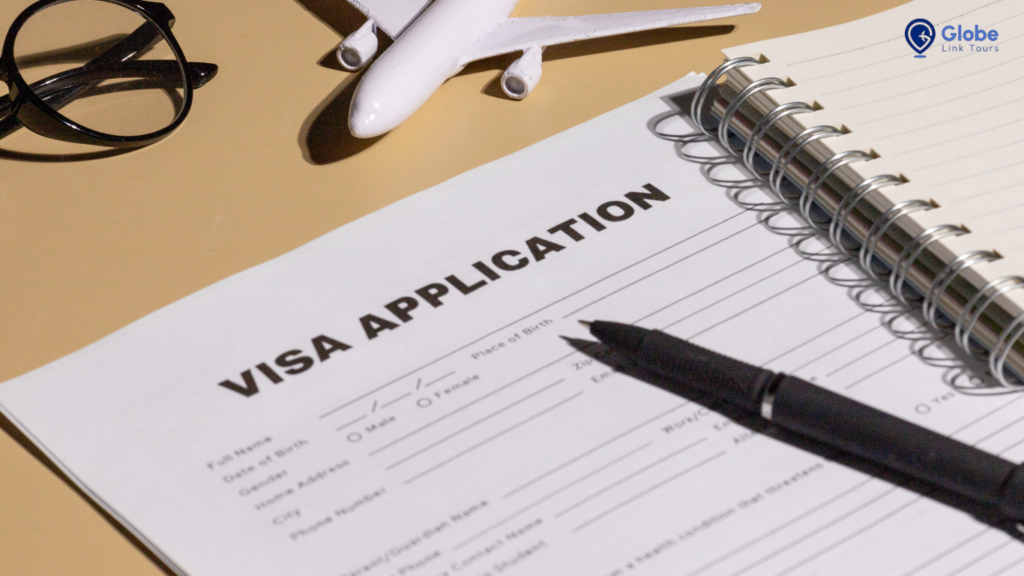
An umrah visa is a special travel permission that allows Muslims to enter Saudi Arabia for the purpose of performing Umrah.
It is not the same as a general travel visa.
It is designed specifically for religious travel. That means the rules around it are slightly different compared to a regular visit visa.
Why this matters
Many people assume any visa will work.
That is not always true.
If you use the wrong visa type or do not meet the conditions, you may face issues at the airport or during your stay.
Also, Saudi authorities regularly update policies. Staying informed helps you avoid last minute stress.
Types of visas used for Umrah
Today, there are 2 main ways people perform Umrah:
Saudi Umrah Visa
This is issued specifically for Umrah through approved agents.
Umrah Visit Visa (Tourist Visa)
Many travelers now use a tourist visa to perform Umrah.
Understanding the difference between these is very important. Later in this article, we will also touch on how these options compare so you can decide what fits your situation.
Why Are Umrah Requirements Important to Understand?
Many travelers think the visa is the only step.
It is not.
Your journey depends on meeting all umrah requirements, including:
- Valid passport
- Approved vaccinations
- Confirmed accommodation
- Travel bookings
- Registration for Umrah permits
Missing even one detail can create problems.
Some people reach Saudi Arabia and face delays because their documentation is incomplete. Others struggle to get permits due to misunderstandings.
When you understand the full process, everything becomes smoother.
How Does the Umrah Visa Process Work Step by Step?
Let’s break this down in a clear and practical way.
Step 1: Check Your Eligibility
Before applying, make sure:
- Your passport is valid for at least 6 months
- You are eligible based on your country
- You meet health requirements
If you are living in the UAE, your residency status also matters.
Step 2: Decide Your Visa Type
You need to choose between:
- Dedicated Saudi Umrah Visa
- Umrah visit visa (tourist visa)
Each has its own process and flexibility.
For example:
- Umrah visa is more structured
- Tourist visa gives more freedom to travel
Step 3: Prepare Documents
Typical documents include:
- Passport copy
- Passport size photos
- Proof of residence (for UAE residents)
- Flight booking
- Hotel booking
Some agencies handle this for you.
Step 4: Apply Through Approved Channels
You can apply through:
- Licensed travel agencies
- Online platforms
- Airlines offering visa support such as Flynas
For official visa guidance, you can check this trusted source.
Step 5: Get Your Umrah Permit
Even after getting your visa, you must book your Umrah slot through official apps.
Without a permit, you cannot perform Umrah.
Step 6: Travel and Perform Umrah
Once everything is approved:
- Carry all documents
- Follow travel rules
- Respect local regulations
Now your journey begins.
Real Life Example: A UAE Resident Planning Umrah

Let’s take a simple example.
Ahmed lives in Dubai. He decides to perform Umrah during Ramadan.
At first, he assumes a tourist visa is enough.
But he forgets one key step.
He does not book his Umrah permit in advance.
When he arrives, he struggles to get a slot because of high demand.
This creates stress and delays his plans.
Later, he realizes that preparation was the missing piece.
This example shows something important.
Even small details can affect your experience.
Common Mistakes People Make with Umrah Visas
Saudi policies can change.
What worked last year may not apply today.
1. Using the Wrong Visa Type
Some people apply for a general visa without checking if it allows Umrah.
Always confirm before applying.
2. Ignoring Updated Rules
Saudi policies can change.
What worked last year may not apply today.
3. Not Booking Umrah Permit
Visa alone is not enough.
Permit booking is mandatory.
4. Last Minute Planning
Waiting too long can lead to:
- Higher costs
- Limited slots
- Travel stress
5. Not Verifying Travel Agents
Always work with trusted providers.
If you want to understand how experienced travel providers operate, you can review their background.
Advanced Tips to Make Your Umrah Journey Smooth
If you want a stress free experience, these tips can make a big difference.
Plan Early
Start your planning at least 4 to 6 weeks before travel.
This gives you time to:
- Compare visa options
- Secure good accommodation
- Book Umrah permits
Choose the Right Travel Time
Avoid peak rush if possible.
Crowded periods include:
- Ramadan
- School holidays
Traveling during off peak times gives a calmer experience.
Keep Digital and Printed Copies
Always carry:
- Passport copy
- Visa details
- Hotel confirmation
Digital access is useful, but printed copies can save you during emergencies.
Understand Local Rules
Respecting Saudi laws ensures a smooth stay.
This includes:
- Dress code
- Prayer timings
- Public behavior
Related Topics You Should Understand
When planning your journey, there are some important related topics that can help you make better decisions.
For example, many people compare different visa types before applying. Understanding the difference between various options can help you avoid confusion later.
Another important area is staying updated with current entry rules and requirements. These change over time, so being aware of them keeps your journey smooth.
When Should You Get Expert Help?
Sometimes, handling everything yourself can feel stressful.
Especially if:
- You are traveling with family
- You have limited time
- You are unsure about rules
In such cases, speaking with an expert can save time and prevent mistakes.
If you feel unsure at any stage, you can always reach out for guidance.
Understanding Umrah Packages
Many travelers prefer booking complete packages.
These usually include:
- Visa processing
- Flights
- Hotels
- Transport
If you want to compare options, you can check different umrah packages.
This can give you a better idea of pricing and what to expect.
Future Changes in Umrah Travel

Travel rules are becoming more flexible.
Saudi Arabia is opening tourism and improving digital systems.
Some expected trends include:
- Faster visa processing
- More online applications
- Better crowd management systems
- Expanded tourist visa access
This means future Umrah journeys may become easier.
But staying updated will always remain important.
Conclusion: Move Forward with Confidence
Planning Umrah should not feel stressful.
With the right understanding, everything becomes clear.
You now know:
- What an umrah visa is
- How the process works
- What mistakes to avoid
- How to prepare step by step
The key is preparation.
Take your time. Check details carefully. Plan ahead.
And most importantly, focus on the purpose of your journey.
When you are ready, take the next step with confidence.
FAQs About Umrah Visa
1. Can I perform Umrah on a tourist visa?
Yes. Many travelers use a tourist visa for Umrah, but you must still book an official permit.
2. How long does an Umrah visa take to process?
Usually 2 to 5 days, depending on the application method.
3. Do UAE residents need special documents?
Yes. Your UAE residency and passport validity must meet the requirements.
4. Is vaccination required for Umrah?
Yes. Certain vaccinations are mandatory based on health guidelines.
5. Can I travel alone for Umrah?
Yes. Current rules allow individuals to travel without group restrictions.
6. What is the difference between Umrah visa and visit visa?
The Umrah visa is specific for pilgrimage, while a visit visa offers broader travel options.
7. Can I extend my stay after Umrah?
It depends on your visa type. Tourist visas usually offer more flexibility.