
Going for Umrah for the first time can feel beautiful and overwhelming at the same time.
You may be excited, grateful, and emotional. You may also be nervous. Many first time pilgrims worry about doing the umrah steps in the wrong order. Some worry about ihram rules. Others feel confused about tawaf, sai, or tahallul. That is completely normal.
The good news is this. Umrah is not meant to make you panic. It is meant to bring you closer to Allah with sincerity, humility, and peace. You do not need to know everything perfectly from the start. You just need clear guidance, calm preparation, and the right mindset.
This step by step umrah guide is written for first timers who want simple and practical help. It explains what Umrah is, why each step matters, and how to move through the journey with more confidence. You will also see common mistakes, useful tips, and a real life example that makes the process easier to understand.
If you are still planning your journey and comparing options, Globe Link Tours offers trusted umrah-packages that can make the travel side much easier for individuals and families.
For a wider view of planning, preparation, documents, packing, and travel flow, this complete guide gives a bigger picture of the full experience from start to finish.
What is Umrah and why does it matter?
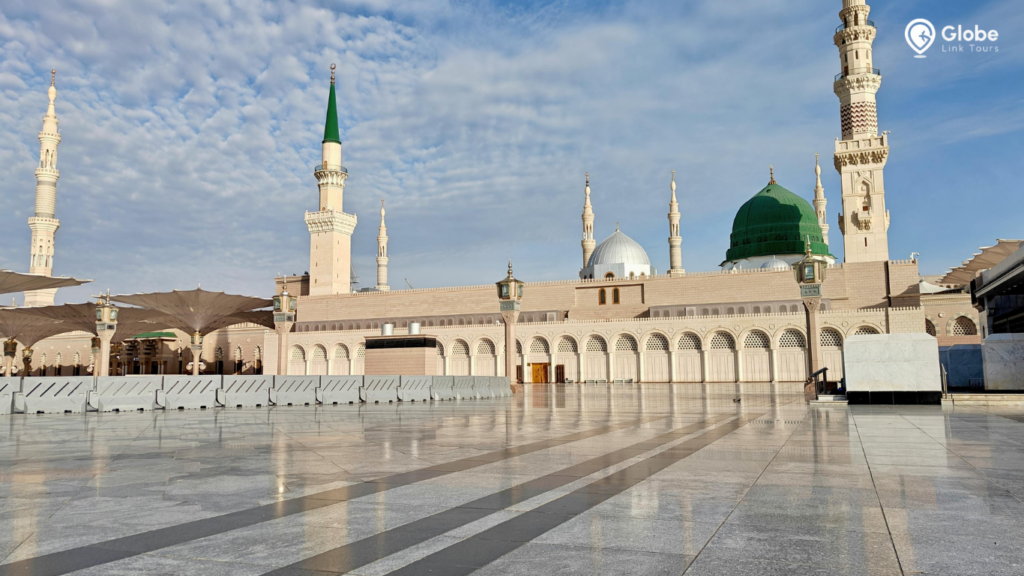
Umrah is a spiritual journey to Makkah. It includes a set of sacred acts performed in a specific order. These acts are simple in structure, but very deep in meaning.
The main umrah steps are:
- Entering ihram with intention
- Performing tawaf around the Kaaba
- Performing sai between Safa and Marwah
- Completing tahallul by cutting or trimming the hair
That is the basic structure. Even though the steps are clear, many first time pilgrims still feel unsure. That usually happens because they hear too many different explanations at once, or they try to memorize everything in a stressful way.
What matters most is understanding the flow and knowing why you are doing each step.
Umrah matters because it is a journey of worship, reflection, patience, and closeness to Allah. It takes you out of daily noise and puts your heart in a place where every action has meaning. For many people, it becomes one of the most powerful experiences of their life.
Why do first-timers feel confused about Umrah?
Most first-timers do not struggle because the process is impossible. They struggle because the process feels unfamiliar.
You may ask yourself questions like:
What if I forget a step?
The simple answer is this. Preparation reduces fear. A clear guide helps you stay calm. If you know the order and understand the purpose, you are much less likely to panic.
What if I do not know the Arabic duas?
You can still make dua in your own language. Speak to Allah from your heart. Your sincerity matters deeply.
What if the crowd makes me anxious?
This is a very real concern. Crowds can feel heavy, especially if you are older, travelling with children, or doing Umrah for the first time. That is why practical planning matters just as much as spiritual readiness.
Many people also feel pressure to be perfect. Try to let go of that fear. Your goal is not to perform like a machine. Your goal is to worship with sincerity, respect, and presence.
Step 1. What is ihram?
Ihram is the sacred state you enter before starting Umrah.
This state begins with intention and comes with certain rules. For men, it also includes wearing the special white ihram cloth. For women, there is no special uniform in the same way, but clothing should be modest, simple, and suitable for worship.
Before entering ihram, many pilgrims do the following:
- Take a bath if possible
- Trim nails if needed
- Remove unwanted hair if needed
- Wear clean clothing
- Apply unscented items only
- Make the intention for Umrah
- Begin reciting the Talbiyah
The state of ihram is not only about clothing. It is about entering worship with seriousness and respect.
Why does ihram matter?
Ihram prepares your body and mind. It marks the start of your sacred journey. It reminds you that you are stepping away from comfort, status, and distraction, and turning your focus toward Allah.
For many first timers, ihram feels like the moment when Umrah becomes real.
Step 2. How do you make the intention for Umrah?
The intention is made in your heart. You do not need a long complicated formula. You are simply making a sincere intention to perform Umrah for the sake of Allah.
After that, you begin reciting the Talbiyah. This should continue until you begin tawaf.
This stage is often emotional. Many people feel tears, gratitude, fear, and hope all at once. That is natural. Let your heart be soft in this moment.
Step 3. What happens when you arrive in Makkah?
Once you reach Masjid al Haram and see the Kaaba for the first time, many feelings can come over you. Some people cry. Some become silent. Some feel completely overwhelmed.
Take a breath.
You do not need to rush.
Keep your focus. Stay with your group if you have one. Make sure you are physically ready before joining the flow of people.
Your next main step is tawaf.
Step 4. What is tawaf?
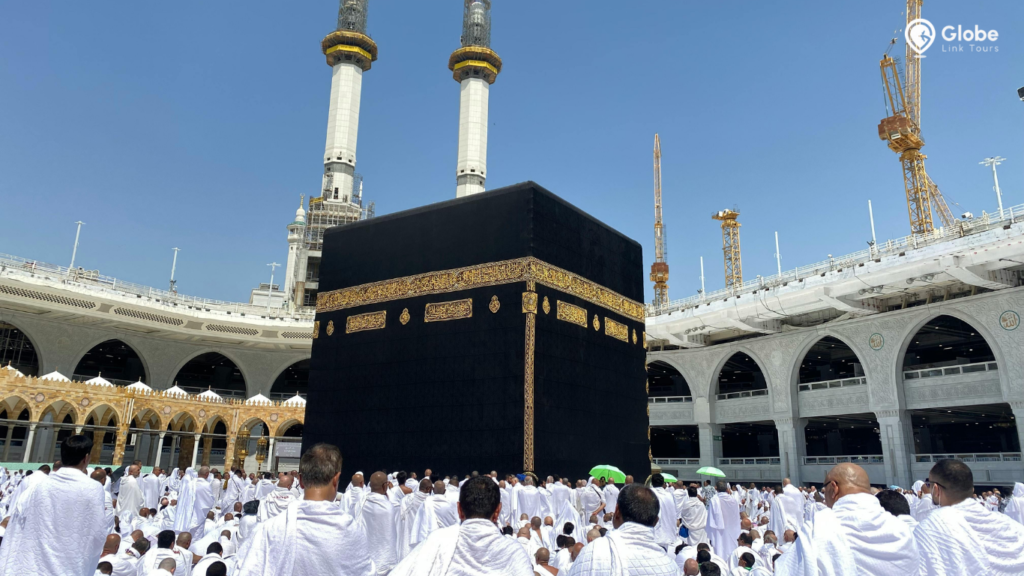
Tawaf means walking around the Kaaba 7 times in an anti clockwise direction.
This is one of the central umrah steps. It is a powerful act of worship and one of the most memorable parts of the journey.
How do you do tawaf?
Here is the simple process:
- Go to the starting point near the Black Stone area if possible
- Make sure you are ready and focused
- Begin your first circle
- Continue until you complete 7 full rounds
- Keep making dua and remembering Allah during the walk
You do not need to recite a special fixed dua for each round. You can make your own duas. You can ask for forgiveness, mercy, guidance, ease, health, and good for your family.
Why does tawaf matter?
Tawaf is a visible act of devotion and submission. You are walking around the house of Allah in humility. It reminds you that your life should circle around obedience, faith, and remembrance.
For first timers, tawaf can also be the most physically demanding part if the area is crowded. That is why calm pacing is important.
Step 5. What should you do after tawaf?
After completing tawaf, pilgrims usually pray 2 rakats if possible. This is often done near Maqam Ibrahim if space allows, but if the area is crowded, it can be done elsewhere in the mosque.
After that, many pilgrims drink Zamzam water and make dua.
This moment is often quieter than tawaf. It gives you a chance to settle your heart before moving to sai.
Step 6. What is sai?
Sai is the act of walking between the hills of Safa and Marwah 7 times.
This step remembers the struggle of Hajar, who ran between these points searching for water for her son Ismail. Her effort, trust, and patience are at the heart of this act.
How do you perform sai?
The simple order is:
- Go to Safa
- Face the Kaaba direction and make dua
- Walk from Safa to Marwah
- That counts as 1 round
- Walk back from Marwah to Safa
- That counts as 2 rounds
- Continue until you complete 7 rounds
- Your final round ends at Marwah
Why does sai matter?
Sai is not just walking. It is a reminder that sincere effort matters. Hajar kept moving even in a moment of great fear and uncertainty. Allah rewarded that effort in a way that still benefits pilgrims today through Zamzam.
This part of Umrah speaks deeply to people who are carrying stress, grief, financial pressure, or family pain. It reminds you that when things feel uncertain, you keep turning to Allah and keep moving with trust.
Step 7. What is tahallul?
Tahallul is the final step of Umrah.
For men, this means shaving the head or trimming the hair. Shaving is often seen as more rewarding, but trimming is also valid. For women, a small portion of hair is cut from the end.
Once tahallul is done, your Umrah is complete.
Why is tahallul important?
Tahallul marks the end of the ritual journey. It is a sign of completion, humility, and obedience. It may look like a small act, but it carries spiritual meaning because it closes your Umrah with action and submission.
For many first timers, this moment brings relief and deep gratitude.
A simple real life example for first timers
Let us take a simple example.
Ahmed is going for Umrah with his wife and mother. It is his first time. He is worried because he thinks he may forget the steps once he reaches Makkah.
Before travel, he reads a simple guide and writes the order in his phone:
- Ihram
- Intention
- Tawaf
- 2 rakats
- Zamzam
- Sai
- Tahallul
On the flight, he enters ihram at the proper point and begins Talbiyah. When he reaches Makkah, he feels emotional and nervous. But because he has the steps written clearly, he stays calm.
During tawaf, the area is crowded, so he moves slowly and avoids pushing. He keeps making simple duas in his own language. After tawaf, he prays where there is space, drinks Zamzam, and then completes sai with patience. At the end, he trims his hair.
His journey is not perfect in the way he imagined. It is crowded. He gets tired. He forgets some planned duas. But his Umrah is sincere, orderly, and meaningful.
This is how it works for many first timers. Calm preparation helps more than trying to memorize too much.
What are the most common mistakes in Umrah?
First timers often make the same mistakes. Knowing them early can save you stress.

1. Rushing through the steps
Some pilgrims feel they must move quickly. This can lead to confusion and unnecessary mistakes. Umrah should be done with care and awareness.
2. Not understanding ihram rules
Many people think ihram is only clothing. In reality, it is a sacred state with rules that need attention.
3. Panicking in crowds
Crowds can make people forget what they are doing. Slow down. Focus on one step at a time.
4. Thinking only Arabic duas are accepted
This is a common worry. You can make dua in your own language. Speak from your heart.
5. Starting sai without being mentally ready
Some pilgrims finish tawaf tired and distracted. Take a moment. Drink water. Reset your focus.
6. Forgetting the round count
This happens often. A simple counter, phone note, or calm mental system can help.
7. Treating the journey like a checklist only
Yes, Umrah has steps. But it is not only a list of actions. It is worship. Try not to lose the spiritual heart of the journey.
Expert tips for a smoother first Umrah
These tips can make a big difference.
1. Keep the steps written in one place
Do not rely only on memory. Save the umrah steps in your phone or notebook.
2. Stay physically light
Wear comfortable footwear when allowed, keep water with you when possible, and avoid exhausting yourself before the main rituals.
3. Choose quieter times if possible
If your schedule allows, less crowded hours can make tawaf and sai easier, especially for elderly pilgrims and families.
4. Keep your duas simple
Do not burden yourself with long lists. A few sincere duas with full attention are better than many rushed words.
5. Prepare emotionally, not just practically
Many people pack clothes, documents, and medicine, but forget to prepare their heart. Enter the journey with humility, repentance, and hope.
6. Support the weaker members of your group
If you are travelling with parents, children, or someone anxious, your patience becomes part of the worship too.
Understand visa and document requirements early
Many first timers focus only on rituals and leave paperwork too late. That creates avoidable stress. For basic background on visa points, this page on islamic-relief can help with general awareness.
What pain points do first time pilgrims usually face?
It helps to say this clearly. Many first timers struggle with things they feel embarrassed to admit.
Some feel afraid of making a religious mistake.
Some worry they will get separated from family in the crowd.
Some get stressed about hotel distance, transport timing, or visa papers.
Some feel emotionally overwhelmed when they reach the Haram and then guilty because they cannot focus properly.
Some older travellers worry about energy levels.
Parents worry about children.
Women may worry about comfort, privacy, and practical issues through the travel days.
All of this is real. None of it means your intention is weak. It just means you are human, and this journey matters deeply to you.
The best way to reduce these pain points is to prepare in a balanced way. Know the ritual steps. Know your travel plan. Keep expectations realistic. Ask questions early. Choose arrangements that make the journey easier, not harder.
How does this connect to the bigger Umrah planning strategy?
This article focuses on the ritual side of the journey. But a peaceful Umrah is not built on rituals alone.
A smooth experience also depends on:
- Choosing the right package
- Understanding documents and visa timing
- Knowing hotel location and transport details
- Packing properly
- Preparing physically and emotionally
- Knowing what to expect at each stage of travel
That is why this topic should be seen as one chapter of a wider preparation process. If you want a fuller view of everything around the journey, the complete guide is the best next step because it connects the ritual flow with planning, comfort, and travel decisions in one place.
When should you consider expert help?
Some people can manage every part on their own. Others need support, and that is completely fine.
You may want expert help if:
- It is your first Umrah and you want a simple travel process
- You are travelling with elderly parents or young children
- You are confused about visa steps
- You want a package that matches your budget and comfort level
- You do not want last minute travel stress
The right support can make a big difference. It does not replace your intention or effort. It simply removes unnecessary confusion around flights, hotels, paperwork, and arrangements so you can focus more on worship.
Globe Link Tours supports travellers who want a smoother and more informed journey, especially first timers who need clarity and practical help without pressure.
Final thoughts
Your first Umrah may not go exactly the way you imagine.
You may feel tired. You may feel emotional. You may forget a planned dua. The crowd may feel intense. Some moments may be easier than others.
That does not reduce the value of your journey.
What matters is sincerity, preparation, and calm effort.
Keep the steps clear in your mind. Enter ihram with awareness. Perform tawaf with humility. Walk your sai with trust. Complete tahallul with gratitude. Let each part bring you closer to Allah.
A step by step umrah guide is helpful because it turns fear into clarity. It helps you move from confusion to confidence. And for first timers, that kind of calm is a real blessing.
If you are still shaping your full travel plan, the best next move is to read the full pillar article and connect these ritual steps with the wider travel picture.
FAQs
What are the main umrah steps?
The main umrah steps are ihram, tawaf, sai, and tahallul.
Can I make dua in my own language during Umrah?
Yes. You can make dua in your own language with sincerity.
How many times do I go around the Kaaba in tawaf?
You go around the Kaaba 7 times.
How many rounds are in sai?
Sai has 7 rounds between Safa and Marwah.
Is Umrah difficult for first timers?
It can feel overwhelming at first, but clear guidance and good preparation make it much easier.