
Many Muslims look at the Kaaba during Umrah and quietly ask the same question in their heart: what is inside of the Kaaba? The outside is seen by millions of pilgrims, but the inside remains private, sacred, and rarely shown. This makes the question feel even more special.
For travelers planning Makkah with proper hotels, transport, and timing, a clear Umrah package can make the full visit more calm. But beyond bookings, many pilgrims also want to understand the sacred places they are visiting. This makes the heart more present during worship.
The Kaaba is not just a famous building. It is the holiest site in Islam. Muslims across the world face the Kaaba in prayer. During Umrah and Hajj, pilgrims perform tawaf around it. Even if most people never enter it, standing near it can be one of the most emotional moments of their life.
This guide explains the Kaaba interior in easy words. It covers the main items inside Kaaba, the Kaaba pillars, Bab al Tawbah, the marble, the lamps, and the reason public entry is not open for regular visitors.
Kaaba Interior At A Quick Look
The inside of the Kaaba is modest. It is not filled with gold rooms, large decorations, or public display items. The interior has a calm and sacred design.
Inside the Kaaba, there are 3 wooden pillars that support the roof. There is marble on the floor and lower walls. There are lamps hanging inside. There is also a stairway area linked with Bab al Tawbah, which leads toward the roof.
The interior also has special cloth covering on the walls. Some reports and visual records show that the inside has had green, red, and other colored textiles in past periods. Today, the exact inner look is controlled and cared for by the authorities responsible for the holy site.
For a pilgrim, the most important point is this: the Kaaba interior is not meant to impress people like a palace. Its beauty is in its sacred purpose.
The Door, The Raised Entry, And The Holy Space
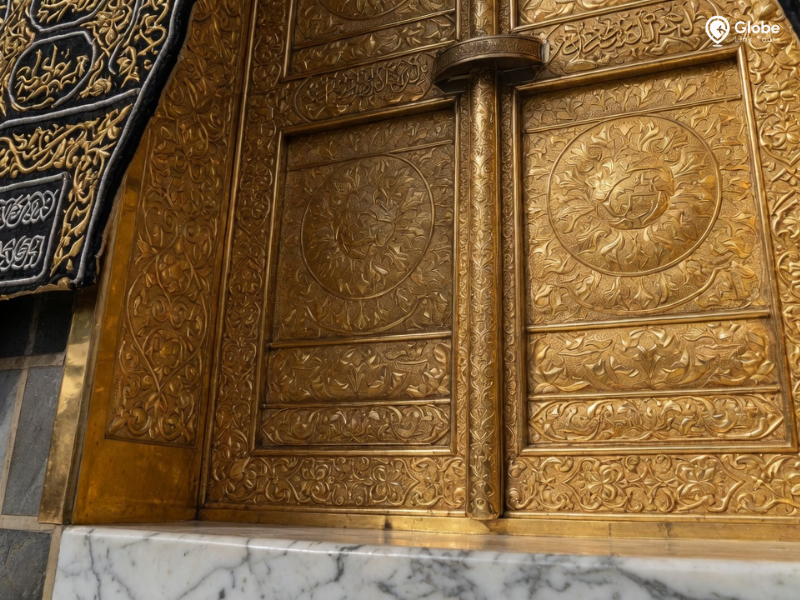
The Kaaba has a golden door on its side. The door is raised above the ground, so entry is not at floor level like a normal room. This raised entry is one reason people see the door from below during tawaf.
The door itself is one of the most noticed parts of the Kaaba exterior. Many pilgrims look at it with deep emotion. Some raise their hands in dua. Some cry. Some feel a strong wish to be closer, but they also understand that respect and order must be kept.
Regular pilgrims cannot enter through this door. The Kaaba is opened only on special occasions, mainly for official cleaning and selected ceremonial access. This limited access protects the dignity of the sacred site and controls crowd safety.
When you stand near the Kaaba, it is natural to feel curiosity. But Islam also teaches respect for sacred limits. Not entering the Kaaba does not reduce the value of your Umrah. Tawaf, salah, dua, and sincere worship remain deeply meaningful.
Inside Kaaba Pillars And Roof Support
One of the most known features inside Kaaba is the set of 3 pillars. These pillars support the roof from inside. They are often described as wooden pillars, and they form an important part of the interior structure.
For many people, this detail is surprising. They imagine something very large or complex inside. But the Kaaba interior is quite plain and focused. The 3 pillars show that the building has a real structure, with practical support and sacred care together.
The space inside is not huge. From outside, the Kaaba looks powerful and grand because of its position in Masjid al Haram and its sacred meaning. Inside, the space is more private, quiet, and controlled.
This teaches a soft lesson. Sacred value is not always about size. Sometimes the most honored places are also the most modest.
Bab Al Tawbah And The Roof Stairway
Bab al Tawbah is linked with the internal stairway area of the Kaaba. This stairway gives access to the roof. The name is often mentioned when people talk about the Kaaba interior.
The stairway is not for public use. It is part of the inside structure used by authorized people during special care, cleaning, and maintenance.
Many pilgrims hear the name Bab al Tawbah and feel a special connection because tawbah means repentance. Even though regular visitors cannot reach this area, the name itself reminds Muslims to return to Allah with a clean heart.
This is a good way to think about the Kaaba interior. It is not only a physical space. It also carries spiritual meanings that touch the heart.
Marble, Lamps, And Interior Covering
The Kaaba interior has marble on the floor and parts of the walls. Marble gives the space a clean and dignified look. It also helps protect the structure during care and cleaning.
There are also lamps inside. These hang from the ceiling area and add to the quiet inner setting. The lamps are not meant for show in the public sense. They are part of the care and beauty of the sacred space.
The interior walls also have covering and decorative cloth. The outside of the Kaaba is covered by the Kiswah, the black cloth with gold embroidery. The inside has its own covering style, which has changed across history.
Many pilgrims also connect the Kaaba with other sacred symbols of Makkah. For example, after tawaf, pilgrims often think about Zamzam and its history. A deeper look at Zamzam water in Makkah can add more meaning to the full visit around Masjid al Haram.
Kaaba Entry For Regular Visitors
Regular visitors cannot enter the Kaaba. This includes most Umrah pilgrims, Hajj pilgrims, tourists, and general visitors.
The Kaaba is opened only during special official moments. The interior washing is a ceremonial event handled by the responsible authorities. Selected guests may be allowed during such occasions, but this is not a public ticketed visit.
This can feel disappointing for some people. A pilgrim may travel from far away and wish to see every sacred place closely. That feeling is natural. But access limits are there for safety, respect, and order.
Imagine if millions of people wanted to enter the Kaaba during Umrah or Hajj. It would be impossible to manage. It could create crowd danger and damage the sacred place. Keeping entry limited protects both the site and the pilgrims.
Sacred Respect Around A Closed Holy Space
The Kaaba is not open to the public because it must be protected. The number of pilgrims in Makkah can be very high, especially in Ramadan and Hajj seasons. Even normal tawaf can become crowded.
Public entry would create pressure, pushing, delays, and serious safety issues. It would also disturb the worship flow around the Kaaba.
So when visitors cannot enter, it is not because they are being kept away from blessing. It is because the sacred site needs care. Worship around the Kaaba is already a great honor.
You can still make dua near the Kaaba. You can perform tawaf. You can pray in Masjid al Haram. You can reflect on the qibla and the unity of Muslims around the world. These acts are enough to make the visit deeply powerful.
Easy Way To Understand The Kaaba Interior
Think of the Kaaba interior as a small, sacred, and carefully protected space.
It has:
3 main pillars
Marble floor and wall areas
Interior lamps
Wall covering
A stairway area linked with Bab al Tawbah
A roof access path
A raised golden door from outside
It is not designed like a museum. It is not meant for public tours. It is a holy structure at the center of Muslim worship.
This view helps remove wrong ideas. Some people imagine hidden rooms, public relics, or large displays inside. That is not the real picture. The interior is modest, controlled, and honored.
Real Pilgrim Moment Near The Kaaba
Picture a first time pilgrim entering Masjid al Haram. The person has seen photos for years, but seeing the Kaaba with their own eyes feels different. The heart becomes soft. The eyes may fill with tears.
The pilgrim starts tawaf. During each round, they see the Kiswah, the golden door, the black stone area, and the crowds moving together. They may wonder about the inside Kaaba, but they also feel something bigger than curiosity.
They realize that the outside view is already enough to move the heart.
Later, after prayer, they sit quietly and think about their journey. They may check the Makkah prayer timetable to plan their next visit to Masjid al Haram. Good timing helps them return with less rush and more focus.
This is the real value of understanding sacred context. It makes the visit calmer and more respectful.
Travel Errors That Create Confusion
Treating The Kaaba Like A Tourist Attraction
The Kaaba is not a tourist display. It is the holiest site in Islam. Photos, videos, and facts are useful, but manners and respect matter more.
Believing Every Online Image
Some images online may be old, unclear, edited, or shared without proper context. Do not build your full understanding from random posts.
Expecting Public Entry
Many first time pilgrims do not know that regular visitors cannot enter the Kaaba. This can create disappointment. It is better to know this before travel.
Ignoring Crowd Rules
Trying to push near the Kaaba, touch areas during heavy crowd, or block movement can harm others. Worship should not become a burden on people around you.
Missing Prayer Timing
If you reach Masjid al Haram without checking salah timing, you may face crowd pressure. Planning your visits around prayer times can make movement easier.
Wise Visit Notes For First Time Pilgrims
Go to Masjid al Haram with a calm heart. Do not rush every moment. The area around the Kaaba can become crowded, so patience is part of the worship.
Keep your phone use limited during tawaf. Photos should not take away from dua and focus.
If you are traveling with elders, agree on a meeting point. Crowds can separate families quickly. Keep hotel cards and contact numbers with everyone.
Wear comfortable footwear when walking to and from the mosque. Inside mosque areas, follow shoe storage rules carefully.
Plan your worship around energy. A tired body can make the visit hard. For travelers who want more rest days in Makkah and Madinah, a 10 night luxury Umrah package can give a calmer pace.
The Kaaba In A Wider Makkah Visit Plan
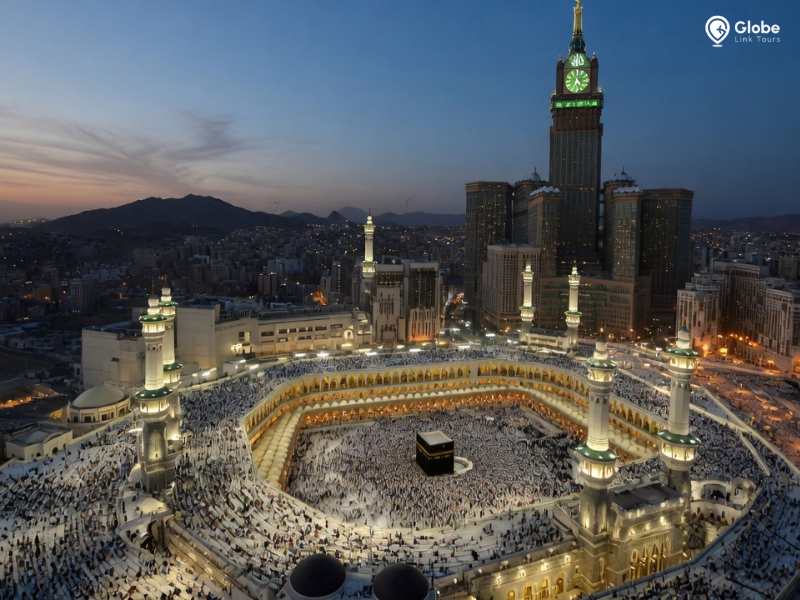
Understanding the Kaaba interior is only 1 part of understanding Makkah. Your full Makkah visit also includes tawaf, sa’i, prayer time, hotel distance, Zamzam, transport, and rest.
Many pilgrims also stay near major landmarks around Masjid al Haram. If your hotel is close to the clock tower area, reading about Abraj Tower Makkah can give better context about the area around the Grand Mosque.
A good Makkah plan should include:
Hotel distance from Masjid al Haram
Prayer timing
Tawaf timing
Food and rest breaks
Elderly support
Zamzam collection rules
Transport from airport or Madinah
Enough time for worship without rushing
The Kaaba remains the heart of this plan. But the comfort around your visit also matters. When the hotel, timing, and movement are arranged well, the worship feels more peaceful.
Travel Support For A Peaceful Umrah Journey
Some travelers can plan everything alone. Others need support because it is their first Umrah, or they are traveling with parents, children, or a group.
Globe Link Tours supports travelers with Umrah packages, hotel guidance, visa assistance, flights, and travel planning. The aim is to keep the journey clear before departure, so pilgrims feel less confused after reaching Saudi Arabia.
A short stay through a 5 night luxury Umrah package may suit travelers with limited time. A longer stay may suit families who want more rest and less rush.
Near the final part of planning, it is also useful to understand the country that hosts these sacred cities. Makkah is in Saudi Arabia, the country that receives millions of Hajj and Umrah pilgrims each year and manages access to the holy sites with strict crowd and safety systems.
Summary
The answer to what is inside of the Kaaba is clear and modest. The Kaaba interior includes 3 main pillars, marble floor and wall areas, hanging lamps, interior covering, and a stairway area linked with Bab al Tawbah.
Regular visitors cannot enter the Kaaba. Access is limited for official care, cleaning, and selected ceremonial moments. This protects the sacred site and keeps pilgrims safe.
For most Muslims, seeing the Kaaba from outside, performing tawaf, praying in Masjid al Haram, and making dua near it are already deeply meaningful acts.
The Kaaba interior may not be open to the public, but its sacred value reaches every Muslim heart. When you understand its context before travel, your visit becomes more respectful, calmer, and more connected to the purpose of Umrah.
FAQs
Regular Visitors And Kaaba Entry
Regular visitors cannot enter the Kaaba. Entry is limited to special official occasions and selected guests.
Main Items Inside The Kaaba
The main known elements include 3 pillars, marble areas, lamps, interior cloth covering, and a stairway linked with Bab al Tawbah.
Public Access Limits Around The Kaaba
Public entry is not allowed because of safety, crowd control, and protection of the sacred space.
Bab Al Tawbah Inside The Kaaba
Bab al Tawbah is linked with the inner stairway area that gives access toward the roof. It is not open for public use.
Kaaba Pillars Count
The Kaaba interior is commonly described as having 3 main wooden pillars that support the roof.