
When you stay in Madinah, your full day often moves around prayer. This is even more true when your hotel is near Masjid Nabawi. Many visitors check salah time in Madinah again and again because they do not want to miss jamaat, arrive late, or rush with family. If your stay is short, a planned option like a 5 night luxury Umrah package can make hotel, transport, and daily movement much more calm.
Madinah feels peaceful, but it can also feel confusing for first time visitors. You may ask, what time should I leave the hotel? How early should family reach the mosque? Will gates be crowded before adhan? These are normal worries. Prayer time is not only a clock time in Madinah. It affects walking, food, rest, ziyarat plans, and even when you should return to your hotel.
This guide explains how Madinah salah time works for visitors, what to check before going to Masjid Nabawi, and how families can plan their day without stress.
What Does Salah Time in Madinah Mean for Visitors?
Salah time in Madinah means the daily prayer schedule followed in the city of Madinah, Saudi Arabia. It includes Fajr, Dhuhr, Asr, Maghrib, and Isha. These times change slightly through the year because sunrise and sunset times change.
For Masjid Nabawi visitors, salah timing is more than a religious schedule. It becomes the center of the day. Your hotel walk, elevator wait, gate entry, shopping, meals, and Rawdah plans may all depend on it.
Madinah fajr time is often the most important one for many visitors. It needs early wake up, wudu, walking time, and a calm mind. Madinah maghrib time is also important because the time between Maghrib and Isha can feel short, mostly when the mosque area is crowded.
If your journey also includes Makkah, it is good to understand how prayer timing changes there too. Many travelers read a prayer timetable for Makkah before moving between the 2 holy cities.
Why Does Masjid Nabawi Salah Timing Matter So Much?
Masjid Nabawi salah timing matters because thousands of people move toward the mosque before every prayer. A 5 minute delay can change your whole experience. You may reach the courtyard instead of inside the mosque. You may get separated from family. You may also need extra time if you are with children, parents, or wheelchair users.
Here is the short answer.
You should not plan to arrive at Masjid Nabawi exactly at adhan. Try to arrive earlier, mostly for Fajr, Maghrib, and Isha.
The mosque area is well managed, but it still gets busy. After adhan, walking speed slows down. Gates can fill. Shoe storage areas can become crowded. Families may need more time to settle in the right section.
This is why checking Madinah salah time before leaving the hotel is a small action but a big comfort.
How Should You Plan Around Madinah Salah Time?
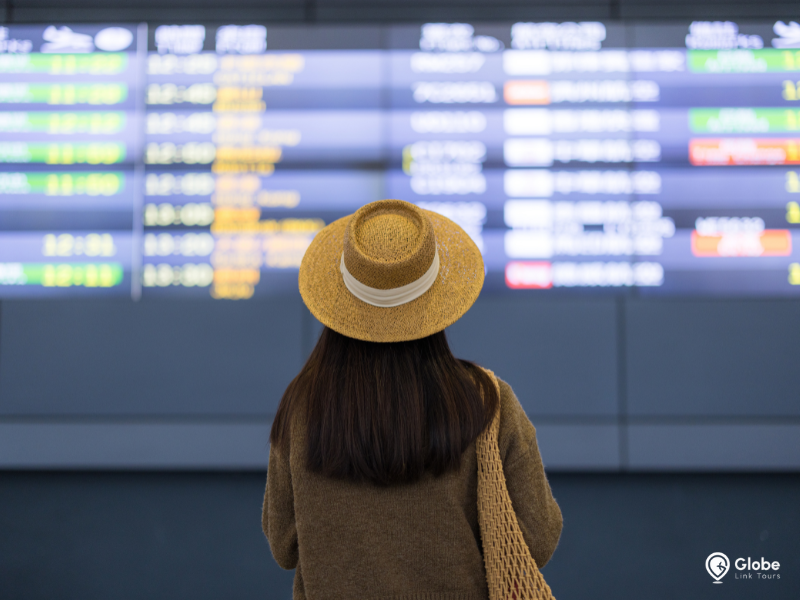
A good plan starts before you step out of your hotel room. You do not need a hard schedule for every minute, but you should keep prayer times at the center.
1. Check the prayer time before the day starts
Check Madinah salah time in the morning. Then check again before Maghrib because small timing changes can matter. Some hotel lobbies show prayer times. Many apps and Saudi local sources also show daily times.
Do not rely only on yesterday’s timing. Fajr, Maghrib, and Isha can shift a little.
2. Add walking time from your hotel
A hotel that looks close on a map may still take longer during busy prayer hours. Elevators, road crossings, gates, and crowd flow can add time.
If your hotel is near the mosque, still keep at least 15 to 25 minutes before prayer. For Fajr and Maghrib, keep more time if you want a better place inside.
A longer stay like a 7 night luxury Umrah package can also give families more breathing space because they are not trying to fit every thing into a very short visit.
3. Plan meals around prayer
Many visitors make 1 mistake. They eat too close to prayer time, then rush. Around Maghrib and Isha, restaurants near the mosque can become full. If you have children or elders, try to eat earlier or after the crowd becomes lighter.
4. Keep family meeting points clear
Before entering Masjid Nabawi, agree on a meeting point. Use a clear place like a hotel entrance, gate number, or known shop nearby. Phone signals may work, but crowds make things harder.
This small step saves panic, mostly after Isha or Jumuah.
5. Keep rest time in the plan
Visitors often want to pray every salah in Masjid Nabawi, visit Rawdah, go for ziyarat, shop, and meet group members. The heart wants to do all of it. But the body needs rest.
Plan rest after Fajr or Dhuhr if your family needs it. A calm visitor enjoys the trip better than a tired visitor who is always rushing.
Real Life Example For A Family In Madinah
Imagine a family staying 8 minutes away from Masjid Nabawi. They want to attend Fajr. Madinah fajr time is early, so they set an alarm 1 hour before prayer. The father gets ready first. The mother prepares children. They leave the room 35 minutes before prayer.
But the elevator is full. It takes 8 minutes. The street near the mosque is busy. Walking becomes slow. When they reach the gate, inside space is limited, but they still manage to pray comfortably because they left early.
Now imagine the same family leaving only 10 minutes before adhan. They may feel rushed. Children may get tired. They may miss a calm place. This is why planning around salah time in Madinah gives peace.
For travelers who also want a longer and more relaxed route across Makkah and Madinah, a 10 night luxury Umrah package may suit better than a very tight schedule.
Common Mistakes Visitors Make With Madinah Salah Time

Many visitors make small mistakes, mostly on their first trip. These mistakes are easy to avoid when you know them early.
Reaching exactly at adhan
This is the most common mistake. In Madinah, you should treat adhan as the time by which you should already be settled, not the time to start walking.
Not checking separate Madinah timing
Some visitors arrive from Makkah and keep thinking the timing is the same. It is not always same. Makkah and Madinah can have different prayer times. If you are also reading about Masjid Al Haram in Makkah, remember that each city needs its own prayer timing check.
Underestimating hotel elevators
Near prayer time, hotel elevators can become slow. This is a real issue in large hotels. Leave earlier than you think, mostly with family.
Planning shopping before prayer
Markets near Masjid Nabawi are nice, but shopping before salah can make you late. Buy after prayer, unless you have enough time.
Forgetting elderly needs
Parents and elders may walk slower. They may need sitting breaks. Keep this in mind with love and patience. Madinah is not a place to rush them.
Expert Tips For Masjid Nabawi Prayer Planning
Good planning makes your visit smoother. These tips are based on real travel behavior of Umrah visitors.
Keep a 30 minute prayer buffer
For normal prayers, try to leave 30 minutes early. For Fajr, Maghrib, Isha, and Friday prayer, leave even earlier.
Use gate numbers
Masjid Nabawi has many gates. Note your gate number when entering. Take a photo if needed. It helps a lot when exiting.
Carry light items
Take only what you need. A small prayer mat, water, hotel card, and phone are enough for many visitors. Heavy bags slow you down.
Plan Makkah and Madinah differently
Makkah has Tawaf, Sa’i, and Haram crowd flow. Madinah has Masjid Nabawi, Rawdah, and ziyarat. Each city has its own rhythm. If your stay includes hotels near tall Makkah landmarks, you may also want to read about Abraj Tower Makkah for location planning.
Keep water plans in mind
Many pilgrims carry Zamzam when moving through the holy cities. If you want background before your trip, the story of Zamzam water in Makkah gives good context for why it matters to Muslim visitors.
How Do Families Plan Around Prayer Times In Madinah?
Families should plan with extra time, not exact time. Children may need snacks. Elders may need rest. Someone may need wudu again. These things are normal.
A family friendly plan may look like this.
Check prayer time in the morning. Keep clothes and prayer items ready. Leave early for Fajr and Maghrib. Keep a clear meeting point. Do shopping after prayer. Keep rest time after busy salah hours.
If your group includes children, do not make the day too full. Madinah is peaceful when you move with patience. A soft plan works better than a packed plan.
For travelers who want more comfort but still want good value, a 10 night premium Umrah package can support a slower pace with more time for both cities.
How This Connects To The Bigger Umrah Plan
Salah time in Madinah is 1 part of a full Umrah journey. It connects with hotel location, flight arrival, ziyarat, Rawdah permit timing, meals, and transport. When this part is planned well, the full trip feels calmer.
This is why a full prayer timing guide for Umrah visitors should not only give times. It should explain how to use those times in real life. A visitor needs to know when to leave, what to avoid, and how to keep family comfortable.
A strong pillar guide can cover the wider prayer plan for Makkah and Madinah together. This article supports that bigger topic by focusing deeply on Madinah and Masjid Nabawi.
When Should You Consider Travel Support?
You may handle prayer planning yourself if you are traveling alone or you already know the area. But support can be useful when you are going with family, elders, first time pilgrims, or a group.
Globe Link Tours can help visitors plan hotels, flights, transport, and package timing in a way that fits prayer needs. The goal is not to make the journey fancy. The goal is to make it more peaceful and less confusing.
You should consider support when you are not sure which hotel area suits your family, how many nights you need, or how to plan both Makkah and Madinah without feeling rushed.
Where Can You Check Current Madinah Salah Time?
Prayer times change day by day, so always check a current source before leaving your hotel. For a quick city based check, you can review the latest Madinah salah time before planning your mosque visit.
Also check your hotel lobby display or local mosque notices if available. When 2 sources show a small difference, follow the local mosque or hotel information near Masjid Nabawi.
Conclusion
Salah time in Madinah shapes your full day near Masjid Nabawi. It tells you when to wake up, when to walk, when to rest, and when to keep family ready. The best plan is not hard. Check the time, leave early, keep a buffer, and respect the crowd flow.
Madinah is a place of peace. With a little planning, you can spend less time rushing and more time feeling present. Whether your visit is short or long, prayer timing should be at the center of your plan.
FAQs
What is the salah time in Madinah today?
Salah time in Madinah changes daily. Check a current local source, hotel display, or prayer time website before leaving for Masjid Nabawi.
Does Masjid Nabawi get crowded before adhan?
Yes, it can get crowded before adhan, mostly for Fajr, Maghrib, Isha, and Friday prayer. Arrive early for a calmer experience.
How early should I reach Masjid Nabawi before prayer?
Try to reach 20 to 30 minutes before normal prayers. For Fajr, Maghrib, Isha, or Jumuah, keep more time.
How should families plan around prayer times?
Families should check prayer times early, leave before rush time, set a meeting point, and keep rest time for children and elders.
Is Madinah fajr time hard for first time visitors?
It can feel hard because it is early, but planning before sleep helps. Keep clothes ready, set alarms, and leave the hotel with extra time.