
Many people start Umrah with a full heart, but also with many questions. One common question is this: what is the story of Safa and Marwa, and why do pilgrims walk between them 7 times? This story is not only about 2 hills in Makkah. It is about trust, patience, a mother’s courage, and Allah’s mercy. If you are planning a short sacred trip, knowing this story can make your 5 night Umrah package feel more meaningful because you understand the heart behind the rite.
The story of Safa and Marwa in Islam begins with Hajar, the wife of Prophet Ibrahim, peace be upon him, and their baby son Ismail, peace be upon him. They were left in the valley of Makkah by the command of Allah. At that time, the valley was dry, quiet, and empty. There were no shops, no crowd, and no comfort around them.
For any parent, this picture can feel heavy. A baby is thirsty. A mother has little food and water. No one is nearby. Still, Hajar did not give up. She moved with hope. She looked for water. She went from Safa to Marwa, then back again, 7 times. Her effort became part of Hajj and Umrah. Today, that walk is called sa’i.
What Is Safa and Marwa?
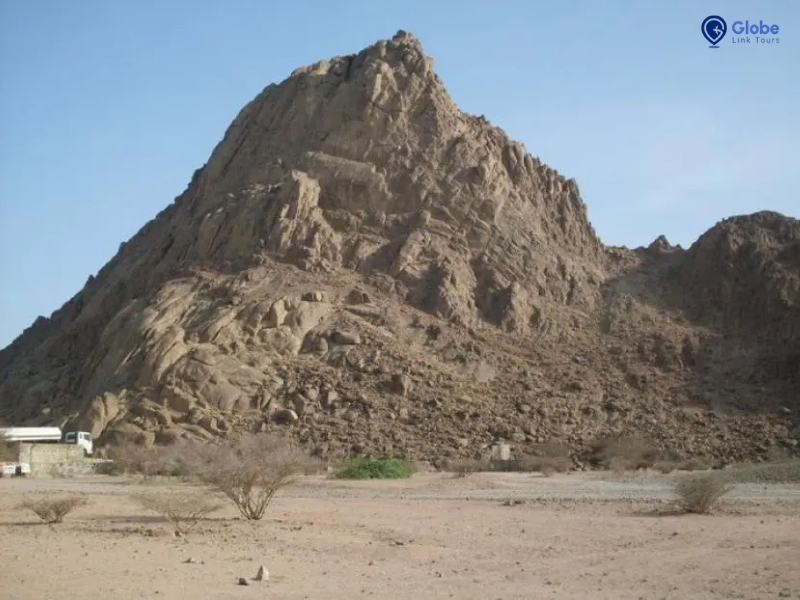
Safa and Marwa are 2 small hills in Makkah, now inside Masjid al Haram. Pilgrims walk between them during Hajj and Umrah as part of sa’i. This walk reminds Muslims of Hajar’s effort when she looked for water for her baby son.
Safa is the hill where the walk starts. Marwa is the hill where the walk ends. The pathway between them is called the Mas’a. Today, it is covered, clean, and arranged for large crowds. But the meaning behind it is much older and much deeper.
The safa and marwa story is a lesson that effort and trust go together. Hajar trusted Allah, but she still moved. She made effort 7 times. She did not sit and wait without action. This is why many scholars and teachers say this rite teaches both tawakkul and action.
What Is the Hajar Story in Islam?

The hajar story islam tradition tells us that Prophet Ibrahim, peace be upon him, left Hajar and Ismail in the valley by Allah’s command. Hajar asked him if this was from Allah. When she understood it was Allah’s command, her heart became firm.
This part is very powerful. It shows that real faith does not mean life will always feel easy. Sometimes a person may still feel fear, pain, or loneliness. But faith gives the heart a reason to keep moving.
When the water ran out, Hajar climbed Safa and looked around. She did not see support nearby. Then she went to Marwa and looked again. She repeated this 7 times. In the low part of the valley, where she could not see her baby, she moved faster. This is remembered today when male pilgrims jog between the green marked area during sa’i.
Then Allah blessed them. Water appeared near baby Ismail. This water became known as Zamzam. The zamzam story is connected to mercy after hardship. It shows that relief can come from a place we do not expect.
What Is Sa’i in Umrah?
Sa’i in Umrah means walking between Safa and Marwa 7 times after tawaf. It is a required rite of Umrah. The pilgrim begins at Safa and ends at Marwa.
Here is the process in clear steps:
- Finish tawaf around the Kaaba.
- Move toward Safa with calmness.
- Make intention for sa’i.
- Face the Kaaba area at Safa if possible and make dua.
- Walk from Safa to Marwa. This counts as 1 round.
- Walk from Marwa back to Safa. This counts as 2 rounds.
- Continue until 7 rounds are complete.
- End at Marwa.
- After sa’i, men usually shave or trim the hair, and women trim a small amount from the hair.
This is why sa’i is not just walking. It is worship with memory. Each step connects the pilgrim with Hajar’s patience and Allah’s care.
Why Does the Story Matter Today?
Many pilgrims ask what is the story of Safa and Marwa because they do not want to do Umrah like a set of actions only. They want the rite to touch the heart.
This story matters because it speaks to real life. Many people today are also carrying worry. Some worry about money. Some worry about family. Some worry about travel, health, age, documents, hotel distance, or getting lost in a crowd. Hajar’s story reminds the heart that Allah sees every effort.
A mother running between 2 hills for her child became a sign for the whole Muslim ummah. Her private pain became public worship. Her effort is remembered by millions of pilgrims every year.
Safa Marwa Meaning in Easy Words
The safa marwa meaning is not only about the name of 2 places. It is about effort with faith.
Safa is often explained as a place linked with clear or smooth stone. Marwa is often linked with hard white stone. But for pilgrims, the deeper meaning is this: Safa and Marwa remind us to keep going when the answer is not visible yet.
A pilgrim may walk in a clean modern corridor today, but the heart should remember the dry valley, the worried mother, and the baby waiting for water.
Real Life Example for First Umrah Pilgrims
Imagine a family from the USA going for Umrah for the first time. The parents have read about tawaf, ihram, and hotel check in, but sa’i still feels little confusing. The children ask, “Why are we walking back and forth?”
A good guide explains it before they start. He says, “You are walking in memory of Hajar, who kept trying when things looked hard. This is not a race. Walk with respect. Make dua. Think about your own needs and ask Allah with hope.”
The family then starts from Safa. The parents feel more calm because they know the reason. The children also understand that Umrah is not only rules. It is stories, faith, and love for Allah.
This is why group planning can make the journey easier for families. A guided group can explain rites at the right time, especially for elders and children. You can see more details in this Umrah group travel guide for families and community pilgrims.
Common Mistakes People Make About Safa and Marwa

Thinking it is only a walk
Sa’i is worship. The body walks, but the heart should also remember Allah.
Forgetting the story behind it
Some people finish it quickly without thinking about Hajar. The story gives meaning to the steps.
Getting confused about the count
From Safa to Marwa is 1 round. Marwa to Safa is 2 rounds. Continue until the 7th round ends at Marwa.
Treating the green light area as required for everyone
Men jog lightly in the green marked area if able. Women do not need to jog. Elders and sick people should not push themselves.
Pushing in the crowd
Crowds can be tiring. Walk with patience. Do not harm others. Respect is part of worship.
Not asking questions before starting
Many people feel shy. They should ask a trusted guide before the rite begins. It saves stress later.
Expert Tips for Sa’i in Umrah
Read about the story before travel
When you know the story, sa’i feels more personal. It is no longer just steps.
Keep your dua personal
Ask Allah for your family, your health, your rizq, your sins to be forgiven, and your heart to become firm.
Go at your own safe pace
Umrah is not a competition. Walk with care, especially if you are with parents, children, or someone who gets tired fast.
Keep water with you if needed
The area is managed well, but long walking can still tire the body. Take care of your strength.
Use a guide for first time travel
A good guide can explain when to start, how to count rounds, and what to do after sa’i.
Prepare your travel duas too
Before your journey starts, it is good to read about the Islamic travel prayer so your trip begins with remembrance and calmness. If your journey includes a flight, the dua for traveling in plane can also give comfort before takeoff.
How This Connects to the Bigger Umrah Journey
Safa and Marwa are one chapter of the Umrah journey. Before sa’i, you perform tawaf. After sa’i, you complete the hair trimming or shaving step. Each part has its own meaning.
This article connects with the bigger Umrah planning guide because a pilgrim needs both spiritual understanding and travel planning. You need to know the rites, but you also need to plan flights, hotels, transport, visa support, and timing.
If you are also comparing sacred travel costs for future Hajj, this budget planning guide for USA pilgrims can give a wider view of how pilgrims think about cost, timing, and preparation. Hajj is different from Umrah, but good planning matters in both journeys.
When to Consider Expert Help
You may consider expert help if this is your first Umrah, if you are traveling with elders, or if your family is nervous about the rites. It is also useful when you need support with visa steps, hotel distance, transport, or group timing.
A travel team can not perform worship for you, but they can make the path easier to understand. Globe Link Tours supports pilgrims with Umrah packages, visa assistance, flights, hotels, and guidance so the journey feels more arranged and less stressful.
If you are unsure how to book with trust, this agent Umrah support guide explains how pilgrims can book with confidence and avoid common booking confusion.
Conclusion
So, what is the story of Safa and Marwa? It is the story of Hajar, a mother who trusted Allah and kept moving for her child. She walked between Safa and Marwa 7 times while looking for water. Allah answered her effort with Zamzam. Today, Muslims remember that moment through sa’i in Umrah and Hajj.
This story teaches that faith is not passive. It asks the heart to trust Allah and the body to keep making effort. Every step between Safa and Marwa can remind you that Allah sees your worry, your patience, and your quiet duas.
For a short general background about the place and ritual, you can also read this Safa and Marwa overview.
FAQs
What is the story of Safa and Marwa in Islam?
It is the story of Hajar, who walked between Safa and Marwa 7 times while looking for water for baby Ismail. Allah blessed them with Zamzam.
Why do Muslims walk between Safa and Marwa?
Muslims walk between Safa and Marwa during sa’i to remember Hajar’s effort, patience, and trust in Allah.
How many rounds are there in sa’i?
There are 7 rounds. Safa to Marwa is 1 round, and Marwa back to Safa is the 2nd round.
Is sa’i required in Umrah?
Yes, sa’i is a required rite of Umrah. It is done after tawaf and before the final hair step.
What is the Zamzam story?
The Zamzam story is about water appearing by Allah’s mercy for Hajar and baby Ismail after Hajar made effort and walked between Safa and Marwa.