
Planning a sacred journey for the first time can feel exciting, emotional, and a little confusing. Many Muslims in the USA hear about Umrah and Hajj, but they are not always sure which journey they should plan first, what each one means, and how the travel process works.
If you are comparing umrah packages, it is also important to understand how Umrah is different from Hajj before you book flights, hotels, visas, and family travel dates.
This guide explains umrah vs hajj in clear English. It covers the main differences, religious importance, timing, travel planning, common mistakes, and what first time pilgrims from the USA should think about before making a decision.
The goal is not to make the journey sound hard. The goal is to make it feel clear, calm, and easier to prepare for.
What Is the Main Difference Between Umrah and Hajj?
The main difference between hajj and umrah is that Hajj is an obligatory pilgrimage for Muslims who are able to perform it, while Umrah is a voluntary pilgrimage that can be performed at many times of the year.
Hajj has fixed dates during the Islamic month of Dhul Hijjah. Umrah can usually be performed outside the Hajj season. For U.S. citizens, the U.S. Department of State says Umrah may be performed using a tourist e visa, Umrah visa, or transit visa, but not during Hajj season. It also states that Hajj can only be performed with a Hajj visa issued through Nusuk.
This matters because many first time pilgrims think Umrah and Hajj are almost the same trip. They both involve travel to Makkah. Both include acts of worship. Both are deeply spiritual.
But the planning, rules, crowd size, cost, schedule, and physical demand can be very different.
What Is Umrah?
Umrah is a sacred journey to Makkah. It includes Ihram, Tawaf around the Kaaba, Sa’i between Safa and Marwah, and shaving or trimming the hair at the end.
Umrah is sometimes called the lesser pilgrimage. That does not mean it is small in value. It means it is shorter and has fewer rituals compared to Hajj.
For many Muslims from the USA, Umrah is the first journey they take before Hajj. It gives them a chance to experience Makkah and Madinah, understand the travel flow, and become more comfortable with the sacred sites.
Umrah can be a life changing trip for families, couples, elders, and first time travelers. It gives you time to worship, reflect, make dua, and step away from daily stress.
What Is Hajj?
Hajj is the major Islamic pilgrimage. It is 1 of the 5 pillars of Islam. It is required once in a lifetime for Muslims who are physically and financially able to perform it.
Hajj takes place during the hajj season in Dhul Hijjah. It includes several major rituals, such as standing at Arafat, staying in Mina, spending time in Muzdalifah, stoning the pillars, sacrifice, Tawaf, and other acts of worship.
Hajj is more structured than Umrah. It follows fixed dates and has a very specific order. It also involves very large crowds because millions of Muslims travel during the same season.
The Ministry of Hajj and Umrah says priority is given to people who have not performed Hajj before, except in certain Mahram cases. This shows how important first time Hajj planning can be.
Why Does Umrah vs Hajj Matter for First Time Pilgrims?
Understanding umrah vs hajj matters because your decision affects your budget, time, health preparation, visa route, hotel booking, family planning, and emotional readiness.
A first time pilgrim may feel pressure from many sides.
Family may say, “Do Hajj first.”
Friends may say, “Go for Umrah first so you can understand the journey.”
Travel costs may be high.
Work leave may be limited.
Parents or children may need special care.
This is why the decision should not be rushed. It should be made with faith, clear information, and honest planning.
Is Hajj More Important Than Umrah?
Yes, Hajj has a higher religious obligation because it is required once in a lifetime for those who are able.
Umrah is deeply blessed, but it is not the same obligation as Hajj for most Muslims.
That means if a person has the money, health, time, and correct access to perform Hajj, they should take that duty seriously. But if someone is not ready for Hajj yet, Umrah can still be a powerful and meaningful journey.
A person should not feel ashamed if they begin with Umrah. Many families from the USA do this because Umrah is shorter, often easier to plan, and less demanding than Hajj.
Umrah vs Hajj in Timing
Timing is 1 of the biggest differences.
Umrah can usually be planned during many months of the year. This gives families more flexibility. You may travel during school breaks, quieter months, or after Ramadan depending on your needs.
Hajj only happens during specific dates in Dhul Hijjah. This means your schedule must follow the Hajj calendar. You cannot move the dates to match work, school, or family comfort.
For USA travelers, this makes a major difference. Flights may cost more during busy travel periods. Hotels near the Haram may fill quickly. Package availability may become limited.
So, if timing flexibility is important, Umrah may be easier. If religious obligation is the main goal and you are able, Hajj needs serious early planning.
Umrah vs Hajj in Cost
Hajj is usually more expensive than Umrah.
The reason is clear. Hajj has fixed dates, high demand, special arrangements, more required services, larger crowd control needs, and more complex movement between holy sites.
Umrah can often be planned with more budget options. Hotel distance, airline, travel month, group type, and trip length can all affect the price.
For example, a family from New York may plan Umrah during an off peak month. They may stay a short walk or shuttle ride away from the Haram. This can reduce the overall cost.
But for Hajj, the same family has fewer timing options. They must follow Hajj dates and official requirements. That can make the trip more costly and more structured.
Umrah vs Hajj in Physical Effort
Hajj is usually more physically demanding than Umrah.
Umrah includes walking, Tawaf, Sa’i, and time in crowded areas. But it is usually shorter and can be paced more gently.
Hajj includes several days of movement, heat, crowds, waiting, walking, and sleeping in different places. The rituals are deeply meaningful, but they can also be tiring.
Elders, people with health issues, and families with children should plan with extra care.
This does not mean Hajj is impossible. Many elders perform Hajj every year with proper planning. But it does mean you should be honest about your health, walking ability, medicine needs, and comfort level.
Umrah vs Hajj in Visa Requirements
Visa rules are very important.
For Umrah, U.S. citizens may have multiple visa routes depending on current Saudi rules. The U.S. Department of State notes that Umrah may be performed with a tourist e visa, Umrah visa, or transit visa, but not during Hajj season. Hajj requires a Hajj visa issued through Nusuk.
This is a key point. A person should never assume they can perform Hajj using an Umrah visa or tourist visa.
Saudi authorities have strict rules for Hajj access. In 2026 guidance, the Ministry of Hajj and Umrah stated that performing Hajj is restricted to those with an official permit, and violations can lead to legal penalties.
Always check current rules before booking. Visa policies can change.
Step by Step Guidance for First Time Pilgrims
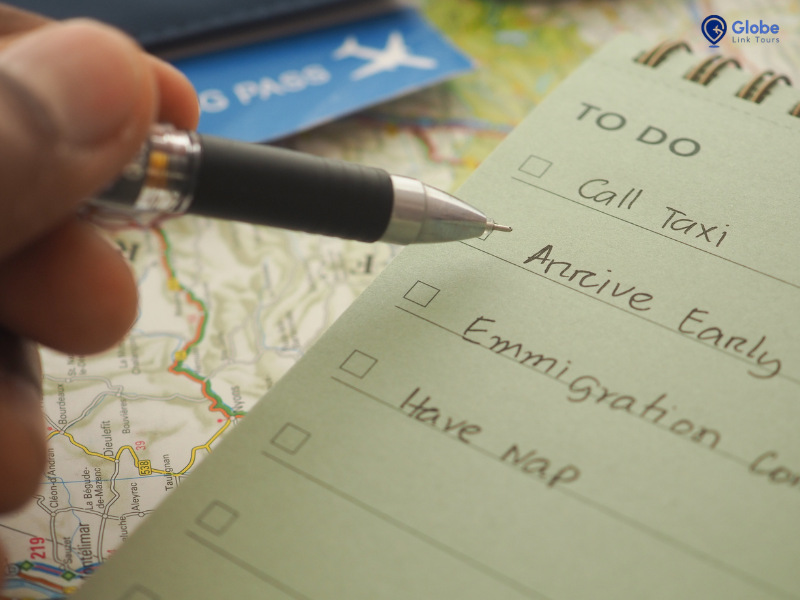
Step 1: Understand Your Main Goal
Ask yourself a clear question.
Are you planning to fulfill the Hajj obligation, or are you preparing for a shorter spiritual journey through Umrah?
If Hajj is possible for you now, speak with trusted religious and travel support. If your budget, health, or timing is not ready, Umrah may be a wise first journey.
Step 2: Check Your Health and Energy
Be honest about your body.
Can you walk long distances?
Do you need regular medicine?
Do you travel well in crowds?
Do you need wheelchair support?
The Ministry of Hajj and Umrah mentions services such as guidance centers and wheelchair related arrangements around the holy sites, but you should still plan your own needs before travel.
Step 3: Review Your Budget
Write down the full cost.
Include flights, hotels, visa, transport, food, travel insurance, Ihram clothing, luggage, phone service, and extra cash.
Do not only look at the package price. Many first time pilgrims forget smaller costs, and those costs add up.
Step 4: Check Work and Family Dates
For Umrah, you may have more date options.
For Hajj, you must follow the Hajj calendar.
If you are traveling with children, elders, or a group, the schedule should be realistic. A sacred journey should not begin with panic and rushed planning.
Step 5: Understand the Rituals Before Travel
You do not need to become a scholar before going, but you should know the basic order.
For Umrah, understand Ihram, Tawaf, Sa’i, and hair trimming or shaving.
For Hajj, understand the days of Mina, Arafat, Muzdalifah, stoning, sacrifice, Tawaf, and other required steps.
Many people feel nervous because they fear making mistakes. That feeling is normal. Proper preparation reduces fear.
Step 6: Book With Care
Do not book based only on the lowest price.
Look at hotel distance, room sharing, transport, visa support, group support, flight schedule, and communication.
A cheap package can become stressful if it lacks clear support.
Step 7: Keep Documents Ready
Make sure your passport is valid.
Keep copies of your visa, booking details, vaccination records if required, hotel information, emergency contacts, and flight details.
Saudi Arabia uses the Hijri calendar for official purposes, and the U.S. Department of State advises travelers to check visa dates carefully.
Real Life Example
Imagine a couple from Chicago planning their first Islamic pilgrimage.
They have 2 children, busy jobs, and limited travel experience. They want to go for Hajj, but they are worried about cost, crowds, and taking enough time off work.
After reviewing the differences, they decide to perform Umrah first. They travel during a quieter month, stay close to the Haram, and spend 10 days between Makkah and Madinah.
During the trip, they understand how Ihram feels, how Tawaf works, how to manage jet lag, how to move through crowds, and how much walking is involved.
After returning home, they feel more confident. They begin saving for Hajj and plan it with more knowledge.
This does not mean every family should do Umrah before Hajj. It means Umrah can give some first time pilgrims a calmer first experience before the more demanding Hajj journey.
Common Mistakes First Time Pilgrims Make
Mistake 1: Thinking Umrah and Hajj Are the Same
They are connected, but they are not the same.
Hajj has fixed days, more rituals, and a higher obligation. Umrah is shorter and more flexible.
Mistake 2: Booking Without Checking Visa Rules
This can cause serious problems.
You must know which visa is valid for your trip. Never assume a tourist visa or Umrah visa allows Hajj.
Mistake 4: Ignoring Physical Preparation
Walking in Makkah and Madinah can be tiring.
Start walking before your trip. Break in comfortable sandals. Prepare for heat, crowds, and long days.
Mistake 5: Packing Too Much
Heavy bags create stress.
Pack what you need, not everything you own. Keep Ihram, medicine, documents, phone charger, and basic clothing easy to access.
Mistake 6: Focusing Only on Price
A low price can be tempting.
But if the hotel is too far, transport is unclear, or support is weak, the trip can become harder than expected.
Mistake 7: Not Asking Questions Before Booking
Some pilgrims stay quiet because they feel shy.
Ask about hotel distance, visa support, room sharing, flight timing, meals, ground transport, and group guidance. Clear answers before booking can prevent stress later.
Expert Tips for a Better Journey
Tip 1: Start With the Right Intention
Before prices, hotels, and flights, start with your intention.
You are not taking a normal vacation. You are traveling for worship. A clean intention gives peace during delays, crowds, and tired moments.
Tip 2: Keep the Trip Manageable
Do not overfill your schedule.
For first time pilgrims, too many side plans can create pressure. Give yourself time for prayer, rest, and quiet reflection.
Tip 3: Stay Near the Haram If Budget Allows
A closer hotel can make the trip easier, especially for elders and families.
If the hotel is farther away, confirm shuttle details and walking distance.
Tip 4: Prepare Your Phone
Save hotel address, group contacts, visa copies, flight details, and emergency numbers.
Keep a power bank with you.
Tip 5: Respect Crowd Flow
Do not push.
Move calmly.
Stay with your group.
Set a meeting point in case someone gets separated.
Tip 6: Keep Some Flexibility
Travel does not always go exactly as planned.
Flights can be delayed. Rooms may take time. Crowds may be heavy. A patient mindset protects the heart during the journey.
Tip 7: Check Official Travel Advice
Before departure, review official travel guidance, health updates, and passport rules. USA travelers can review the U.S. Department of State travel page for broader travel safety information.
Pain Points First Time Pilgrims Often Feel
Many first time pilgrims carry quiet worries.
They worry about doing the rituals wrong.
They worry about getting lost.
They worry about family members becoming tired.
They worry about cost.
They worry about language barriers.
They worry about not feeling spiritually ready.
These worries are real. A calm travel plan can reduce them.
A good plan does not remove every challenge, but it gives you direction. It helps you know what comes next. It helps your family feel safer. It also gives you more mental space for worship.
How Umrah Connects to the Bigger Pilgrimage Plan
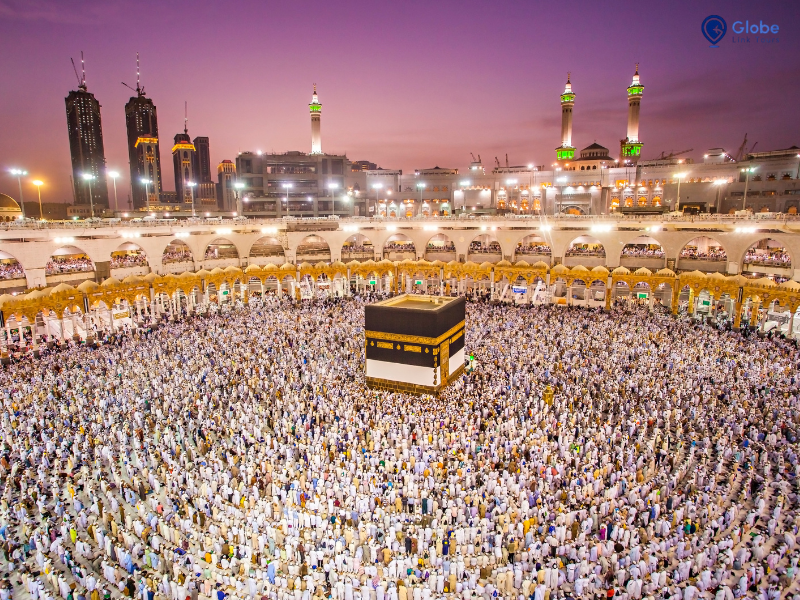
For many USA Muslims, Umrah is not only a short trip. It can be part of a bigger spiritual path.
A first Umrah may help you understand Makkah, Madinah, Ihram, Tawaf, Sa’i, hotel movement, and crowd behavior. Later, when you prepare for Hajj, those experiences can make you more confident.
That is why this topic connects directly to the larger planning journey covered in the complete guide for first time pilgrims and families from the USA.
Think of this article as 1 chapter. It explains the difference between Umrah and Hajj, while the larger guide covers broader planning for families, documents, packages, preparation, and travel comfort.
When Should You Consider Umrah First?
Umrah may be a good first step if:
You have never traveled to Saudi Arabia before.
You are nervous about crowds.
You are traveling with children.
You want a shorter trip.
You need more control over travel dates.
You want to understand the holy sites before Hajj.
You are still saving for Hajj.
This does not reduce the importance of Hajj. It simply means Umrah can prepare your heart and your travel confidence.
When Should You Consider Hajj First?
Hajj should be taken seriously if:
You are physically able.
You can afford the journey.
You can get the correct Hajj visa and permit.
Your family situation allows it.
You understand the responsibility.
You are ready for the fixed schedule and crowd level.
Hajj is not just another trip on a bucket list. It is a major act of worship. If Allah has given you the ability, time, and means, do not delay without a valid reason.
Hajj Obligations in Clear Words
The term hajj obligations refers to the required parts of Hajj that must be performed correctly.
A pilgrim should know the main required acts before travel. This includes Ihram, standing at Arafat, spending time in Muzdalifah, staying in Mina, stoning, sacrifice, Tawaf, Sa’i, and other required actions based on the type of Hajj being performed.
Because Hajj has more required steps than Umrah, first time pilgrims should not depend only on random videos or quick social media posts. Speak with knowledgeable people, read trusted material, and travel with proper support.
Umrah Pilgrimage for Families From the USA
The umrah pilgrimage can be a beautiful family journey.
Children may remember seeing the Kaaba for the first time. Parents may feel peace after years of waiting. Elders may feel emotional because they finally reached the place they prayed to see.
But family Umrah needs careful planning.
Keep the schedule gentle.
Avoid long walks during extreme heat when possible.
Keep snacks and water ready.
Do not expect children to behave like adults all day.
Let elders rest.
Make sure every family member knows the hotel name and meeting point.
A family pilgrimage becomes easier when everyone understands the plan.
Islamic Pilgrimage Guide for Better Planning
An islamic pilgrimage guide should not only explain rituals. It should also prepare you for real travel situations.
You need to know what to do at the airport.
You need to know what to pack.
You need to know how to manage Ihram during a long flight.
You need to know how to protect documents.
You need to know what to do if someone gets tired, sick, or separated.
This practical side matters because stress can distract from worship.
Good planning protects your time, energy, and focus.
When to Consider Expert Travel Support
You may consider expert support if this is your first journey, if you are traveling with family, or if you are confused about packages, visas, flights, and hotel locations.
A professional travel team can explain package types, travel dates, hotel distance, visa support, and flight options in a way that is easier to understand.
This is not about pushing a service. It is about reducing confusion.
Some pilgrims can plan everything themselves. Others feel safer when someone walks them through the process. Both situations are normal.
If you feel unsure, ask questions before booking. A clear answer before travel can save you from stress later.
Final Thoughts
Understanding umrah vs hajj is 1 of the first steps in planning a sacred journey from the USA.
Umrah is shorter, more flexible, and often easier for first time pilgrims. Hajj is a major obligation for those who are able, with fixed dates, more rituals, and greater planning needs.
Both journeys are deeply meaningful.
The right path depends on your faith duty, health, budget, family needs, timing, and readiness.
Do not rush the decision. Take time to understand the difference. Prepare your documents. Review current visa rules. Plan your budget. Ask questions. Keep your intention clean.
A well planned pilgrimage gives you more peace, more focus, and more room for worship.
FAQs
1. What is the main difference between Hajj and Umrah?
Hajj is an obligation for able Muslims and has fixed dates. Umrah is voluntary and can usually be performed during many times of the year.
2. Can I perform Umrah before Hajj?
Yes. Many first time pilgrims from the USA perform Umrah first to understand the journey before planning Hajj.
3. Is Hajj harder than Umrah?
Usually, yes. Hajj has more rituals, fixed days, larger crowds, and more physical movement.
4. Can I perform Hajj with an Umrah visa?
No. Hajj requires the correct Hajj visa and official permit. Umrah or tourist visa rules do not allow Hajj during Hajj season.
5. Which is better for first time pilgrims from the USA?
If you are able to perform Hajj, take it seriously. If you are not ready yet, Umrah can be a calm first journey.